
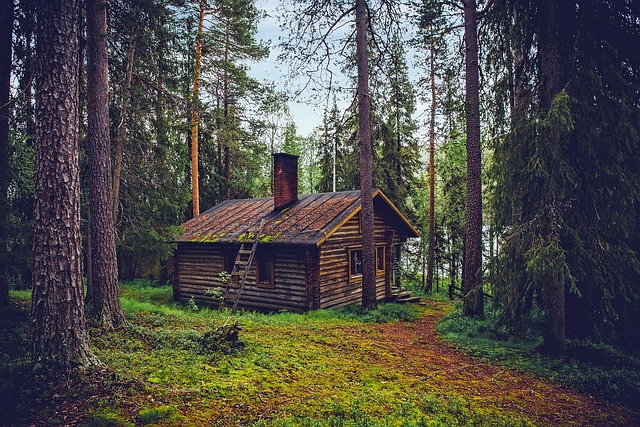
How Can a Cottage Home Plan Transform an 800-Square-Foot Space into a Dream
How To Design An 800-Square-Foot Cottage That Feels Like A Dream
Designing an 800-square-foot cottage that feels expansive and deeply personal is less about size and more about intention. A well-planned cottage home plan balances spatial logic with sensory warmth, proving that compact living can still be luxurious. The key lies in architectural clarity—zoning, proportion, and light—paired with material honesty. When executed thoughtfully, every square foot supports a narrative of comfort and craftsmanship. The result is a home that feels both timeless and efficient, where design serves daily life without excess or compromise.
Understanding the Concept of a Cottage Home Plan?
The idea of a cottage home plan reflects a growing movement toward smaller yet smarter living environments. These homes prioritize atmosphere and proportion over scale, offering spaces that feel intimate but never cramped.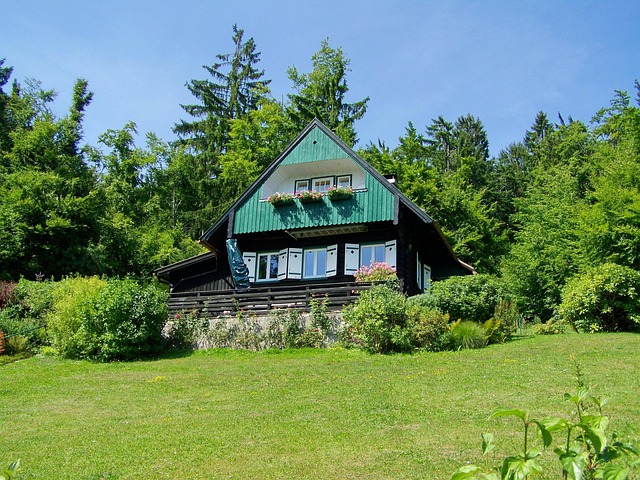
Defining the Cottage Home Plan for Compact Living
A cottage home plan focuses on efficient spatial design while maintaining cozy aesthetics. It blends traditional charm with modern practicality, using compact layouts to create comfort without waste. The goal is to make each area multifunctional—living rooms double as reading corners, kitchens open into dining nooks, and storage hides within built-ins. This approach emphasizes how design intelligence can replace sheer square footage.
The Architectural Philosophy Behind Cottage Design
Cottage architecture draws from vernacular traditions that celebrate simplicity and craftsmanship. It values natural materials like timber and stone, balanced proportions, and a deep connection to surroundings. This philosophy promotes mindful living: fewer possessions, more meaning. In practice, it means designing homes that breathe—spaces where light shifts gently across textured walls and where every corner feels intentional.
Spatial Optimization Strategies in an 800-Square-Foot Layout?
In small-scale architecture, the success of a layout depends on how space flows rather than how much exists. An 800-square-foot footprint demands precision: each inch must serve multiple roles while preserving openness.
Zoning for Functionality and Flow
Zoning divides activity areas without fragmenting them visually. Instead of walls, subtle transitions—like ceiling beams or changes in flooring texture—define boundaries between living, dining, and sleeping zones. Open-concept layouts amplify perceived space by allowing sightlines to stretch uninterrupted across rooms. Consistent flooring materials or color palettes further unify the interior flow.
Vertical Expansion and Storage Integration
When horizontal space is limited, verticality becomes essential. Built-in shelving units climb walls to draw the eye upward while freeing floor area for circulation. Lofts add flexible sleeping or workspace options without enlarging the footprint. Hidden storage under stairs or benches keeps rooms visually calm yet highly functional. Multifunctional furniture—like foldaway desks or extendable tables—adapts to changing needs effortlessly.
Architectural Elements That Define a Dream Cottage Feel?
A dream cottage balances nostalgia with structure; its charm lies in proportion as much as detail. Architecture here is emotional—it shapes how inhabitants experience warmth and belonging.
Proportions, Scale, and Balance in Design Composition
Harmony in scale prevents small cottages from feeling boxed in or top-heavy. Window placement plays a crucial role: larger panes on key façades bring daylight deep inside while framing outdoor views as living artwork. Roof pitches and eave depths define silhouette character; steeper roofs lend traditional appeal while shallow ones suggest modern restraint.
Materiality and Texture as Emotional Anchors
Material selection dictates mood more than ornamentation does. Wood ceilings paired with lime plaster walls offer tactile warmth that synthetic finishes rarely achieve. Layered textures—linen curtains against rough timber beams—add depth without cluttering perception. Sustainable finishes such as reclaimed wood floors not only enhance authenticity but also align with environmental responsibility.
Enhancing Natural Light and Connection to the Outdoors?
Light transforms small interiors into expansive experiences when handled with care. In cottage design, daylight is treated almost architecturally—as both illumination and emotion.
Maximizing Daylight Through Strategic Openings
Orientation matters first: positioning main windows toward the sun’s path brightens interiors throughout the day while reducing energy reliance. Skylights above corridors or bathrooms introduce vertical light shafts that make confined zones feel open-air. French doors extending onto patios blur interior boundaries by reflecting sunlight inward across pale surfaces.
Creating Seamless Indoor–Outdoor Transitions
Outdoor extensions like porches or decks act as spatial lungs for compact homes, expanding usable area seasonally. Using matching materials between exterior cladding and interior finishes maintains cohesion—a cedar deck adjoining a wooden floor reads as one continuous plane. Landscaping completes this dialogue; native plantings soften edges while grounding the cottage naturally within its site context.
Interior Design Principles for a Cohesive Cottage Ambiance?
Interior design defines how architecture feels lived in—it translates structure into atmosphere through tone, color, and proportion.
Color Theory in Compact Environments
Light neutrals such as soft whites or muted grays enlarge perception by reflecting natural light evenly across walls. Accent colors like sage green or clay red can delineate zones subtly without introducing visual noise. Earthy palettes tie interiors back to their surroundings—a nod to cottages’ rural heritage.
Furniture Selection for Functionality and Style Harmony
Scaled furniture avoids overwhelming tight spaces; slender-legged chairs or low-profile sofas maintain airiness around them. Custom-built cabinetry tailored to odd corners extracts full use from irregular geometry common in older cottages. Visible joinery celebrates craftsmanship—the same ethos guiding exterior detailing—creating visual continuity between architecture and furnishing.
Integrating Modern Comforts Without Compromising Character?
Technology can coexist quietly within heritage-inspired designs when discretion leads integration decisions rather than display.
Smart Technology Adaptation in Traditional Settings
Smart lighting systems recessed into beams allow ambiance control without visible hardware intrusion. Energy-efficient appliances hidden behind paneled fronts preserve period aesthetics while supporting sustainable consumption patterns recognized by agencies like IEA for reducing household emissions globally (IEA Energy Efficiency Report 2023). Automation should simplify routines but remain invisible until needed—a philosophy fitting cottage modesty perfectly.
Climate Control Solutions for Small Cottages
Thermal comfort begins with insulation: dense wall assemblies minimize heat loss during winter yet keep interiors cool through summer cycles identified by ISO thermal performance standards (ISO 6946). Passive ventilation via operable clerestory windows reduces mechanical dependency while improving air exchange rates naturally measured under ASHRAE guidelines (ASHRAE Standard 62). Compact ductless HVAC units fit discreetly within cabinetry cavities without disrupting historic detailing lines.
The Role of Landscape Design in Completing the Cottage Vision?
Architecture alone cannot convey serenity; landscape completes the story by framing it within nature’s rhythm.
Designing Outdoor Spaces That Complement Architecture
Native vegetation reinforces ecological belonging while requiring minimal irrigation consistent with IRENA sustainability metrics on water efficiency (IRENA Renewable Cities Report 2022). Pathways lined with gravel echo rustic sensibility yet guide movement intuitively across property edges. Low garden fences built from matching timber connect house form to terrain visually at human scale.
Creating Privacy Without Isolation
Layered planting buffers sound from neighboring plots but maintains transparency toward distant views—a balance often overlooked in urban infill sites. Trellises draped with vines create enclosure through softness rather than massing weight. Siting choices—orienting terraces away from direct sightlines—preserve solitude even on compact lots where boundaries lie close together.
FAQ
Q1: What defines a true cottage home plan?
A: It’s defined by modest scale paired with thoughtful design emphasizing comfort, craftsmanship, and connection to nature rather than luxury through size.
Q2: How can an 800-square-foot layout feel larger?
A: Through open zoning, vertical storage solutions, consistent materials, and abundant daylight that extends visual boundaries beyond physical walls.
Q3: Which materials best suit modern cottages?
A: Natural wood, stone accents, lime plaster finishes, and eco-certified paints deliver authenticity while supporting sustainable construction standards set by ISO 14001 frameworks.
Q4: Are smart technologies compatible with traditional aesthetics?
A: Yes; concealed systems like recessed sensors or app-controlled lighting integrate seamlessly when planned early during architectural detailing stages.
Q5: What landscaping features enhance privacy most effectively?
A: Layered vegetation combined with partial fencing or pergolas creates secluded outdoor areas without cutting off airflow or scenic connection entirely.