
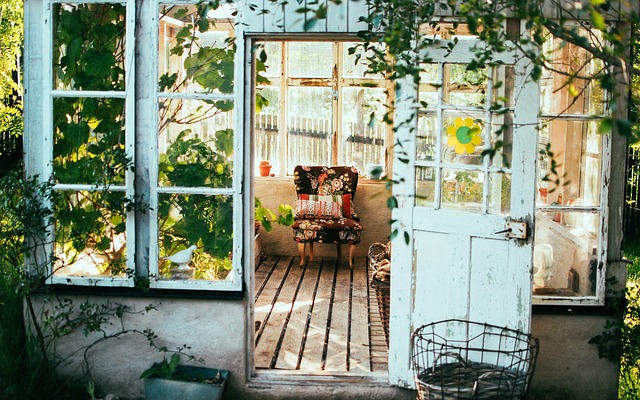
How Do Cottage Homes Designs Define the Character of a Tiny Rented Cotswolds Cottage
Inside a Tiny Rented Cottage in the Cotswolds Cleverly Brought to Life by Its Creative Tenant
A rented cottage in the Cotswolds can reveal how design, scale, and personal creativity merge to form a living space that feels both rooted and renewed. The essence lies not in grand gestures but in subtle architectural cues and thoughtful decoration. Through material honesty, proportionate planning, and adaptive reuse, even a small home can express the layered identity of the region. This article examines how traditional Cotswolds architecture influences modern cottage homes designs, how interior strategies enhance intimacy and function, and how tenants interpret heritage through contemporary sensibility.
Architectural Elements That Shape the Identity of a Cotswolds Cottage
The visual character of a Cotswolds cottage is inseparable from its landscape. Built from local stone and timber, these homes embody centuries of craftsmanship that continue to inform present-day design choices.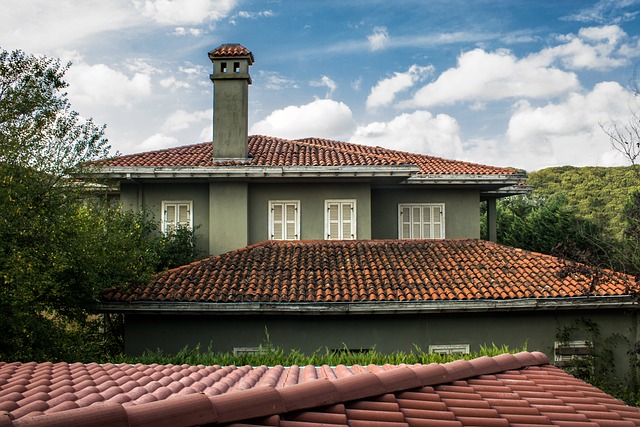
The Influence of Traditional Cotswolds Architecture on Modern Cottage Design
Local limestone walls give cottages their golden hue, grounding them in regional geology. Timber beams, often left exposed, add warmth and rhythm while signaling authenticity. Gabled roofs with low eaves preserve the skyline continuity across villages where every roof seems to nod to its neighbor. Modern reinterpretations keep these forms but refine details for efficiency—double-glazed windows tucked into traditional mullions or reclaimed slate used for sustainability. The balance between proportion and symmetry remains central: doors aligned with windows create visual harmony even when scaled down for compact living.
How Scale and Proportion Define Spatial Character
Cottage homes designs thrive on intimacy. Compact layouts encourage closeness between functions—kitchen merging into sitting area—without feeling cramped when light is managed well. Ceiling height variations subtly shape perception; a lower beam over a hearth draws focus inward while higher sections near windows invite openness. Alcoves carved into thick stone walls become bookshelves or seating nooks, turning structural necessity into charm. Window seats frame pastoral views, linking interior comfort with outdoor tranquility.
Interior Design Strategies That Reflect Cottage Homes Aesthetics
Inside such dwellings, tactile richness defines atmosphere more than ornamentation does. Material choice and color coordination transform modest rooms into layered narratives of place.
Materiality and Texture as Defining Features
Natural materials remain foundational: rough-hewn stone floors contrast with soft linen curtains; oak furniture carries patina that only time can create. Layered textures—from woven throws to limewashed plaster—give depth without excess decoration. Reclaimed finishes like aged timber or repurposed brick align ecological awareness with heritage aesthetics, proving sustainability need not compromise beauty.
Color Palettes That Capture Cottage Charm
Muted earth tones mirror the surrounding fields and dry-stone walls, creating seamless transitions between indoors and out. Soft whites and greys amplify scarce daylight within thick-walled rooms, making small interiors feel more expansive. Touches of faded blue or sage green recall hedgerows and sky reflections on local ponds—a quiet dialogue between architecture and nature.
The Role of the Tenant’s Creativity in Shaping Atmosphere
When the property is rented rather than owned, creativity becomes an act of gentle negotiation—personal expression within inherited boundaries.
Adaptive Reuse and Personalization in a Rented Space
Flexible furniture arrangements define zones without altering structure: a foldable table doubles as workspace; modular shelving divides yet unites areas visually. Portable décor—rugs, artwork, lighting—lets tenants imprint individuality while respecting restrictions on permanent change. Layered lighting proves crucial: task lamps for reading corners, ambient fixtures for gatherings, accent lights highlighting textures or art pieces shift mood effortlessly throughout the day.
Balancing Heritage With Contemporary Functionality
Modern amenities such as discreet underfloor heating or concealed storage integrate quietly behind period features. Minimal interventions maintain reversibility—a key principle in rental preservation ethics—and protect original fabric like flagstone floors or timber lintels. Each tenant’s curation acts as interpretation rather than replacement of history: technology coexists with tradition through restraint.
Spatial Flow and Functional Zoning in Tiny Cottage Homes Designs
Small cottages demand spatial intelligence more than luxury finishes do. The goal is coherence—spaces that feel continuous yet distinct enough for daily routines.
Strategies for Maximizing Limited Floor Area
Open-plan concepts enhance connectivity between kitchen, dining, and lounge zones while preserving intimacy through changes in flooring texture or ceiling height. Built-in storage under stairs or window benches reduces clutter without adding bulk. Vertical organization extends usability upward: wall-mounted racks for cookware or loft sleeping platforms expand capacity without crowding valuable floor space.
Transition Between Indoor and Outdoor Spaces
Framed views through small-paned windows connect life inside with seasonal shifts outside—the bloom of lavender borders or mist over rolling hills at dawn. Garden thresholds serve as transitional rooms; even a narrow courtyard becomes an extension of living area when furnished thoughtfully. Natural light remains both architectural tool and emotional medium—it animates surfaces differently throughout the day, reinforcing continuity between built form and environment.
Emotional Resonance and Sense of Place in Cottage Design Philosophy
Beyond physical comfort lies psychological satisfaction—the sense that one belongs within walls shaped by history yet responsive to present needs.
Creating Psychological Comfort Through Design Choices
Familiar materials evoke emotional security: stone cool underfoot in summer heat; wood grain warm against winter gloom. Slight irregularities—a hand-chiseled edge or uneven plaster—introduce humanity absent from standardized housing stock. Human-scale proportions promote calmness; one can reach every corner without feeling confined because each element relates naturally to body scale.
The Aesthetic Continuity Between Architecture, Interior, and Landscape
Visual alignment between exterior masonry tones and interior finishes sustains identity across thresholds. Seasonal adaptability matters too: lighter textiles replace woolens as sunlight strengthens; muted hues absorb softer winter light typical of the Cotswolds climate. Ultimately the cottage becomes more than shelter—it stands as integrated expression of locality, craftsmanship tradition, ecological respect, and personal narrative shaped by its tenant’s quiet ingenuity.
FAQ
Q1: What materials are most typical in authentic Cotswolds cottage construction?
A: Locally quarried limestone dominates exteriors while oak beams frame interiors; both materials tie structures directly to regional geology.
Q2: How can tenants personalize rented cottages without permanent changes?
A: Through movable furnishings, textiles, artwork, and lighting arrangements that reflect taste yet remain reversible upon move-out.
Q3: Why are muted color palettes favored in cottage interiors?
A: They harmonize with natural surroundings and enhance limited daylight within thick-walled spaces common to historic cottages.
Q4: What spatial strategies improve functionality in tiny cottages?
A: Open layouts combined with built-in storage solutions maintain flow while maximizing usable area vertically and horizontally.
Q5: How does design contribute to emotional well-being in small homes?
A: Use of familiar textures, balanced proportions, and natural light fosters calmness and attachment often missing from modern standardized dwellings.