
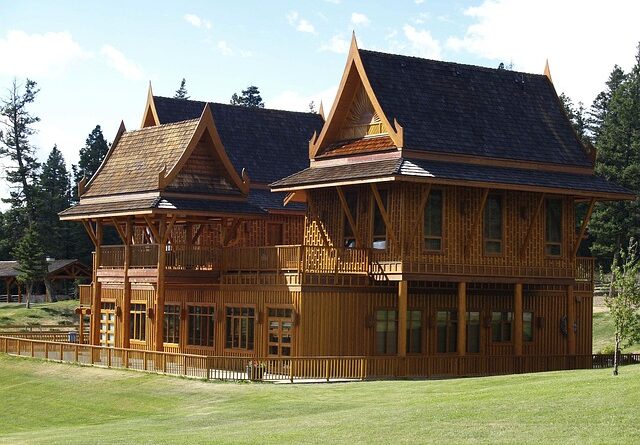
How Do Ranch House Layouts Influence Modern Curb Appeal Design
Why 1,500 Square Feet Is The Best Home Size
A 1,500 square feet one story building plan achieves a rare balance between comfort, cost, and livability. It offers enough room for three bedrooms, open communal spaces, and efficient circulation without the excess of larger homes. From an architectural standpoint, this size supports sustainable construction and manageable maintenance while maintaining flexibility for future adaptation. For many professionals in design and construction, it represents the sweet spot where spatial logic meets human scale—large enough to feel generous yet compact enough to remain energy-efficient and affordable over time.
Understanding the Concept of a One-Story Building Plan
Single-level homes are shaped by principles of accessibility and flow. Their architecture emphasizes horizontal expansion rather than vertical stacking, leading to simpler structures with fewer load-bearing complexities.
Architectural Principles Behind Single-Level Designs
A one story building plan typically organizes living zones around a central circulation spine, allowing easy access between rooms without stairs or split levels. The absence of vertical transitions improves safety and universal usability. Structurally, loads are distributed evenly across the foundation, reducing stress on framing components. This simplicity not only cuts costs but also allows greater flexibility in roof design and ceiling heights.
Design Efficiency in Single-Level Homes
Efficiency in single-level layouts comes from open-plan concepts that merge kitchen, dining, and living areas into one continuous space. This arrangement enhances daylight penetration from multiple directions and promotes natural ventilation through cross-breezes. Zoning remains crucial: private bedrooms are placed away from social areas to maintain acoustic comfort. Circulation paths are shorter and more intuitive, minimizing wasted space in hallways.
Evaluating a 1,500 Square Feet Home Design
A 1,500-square-foot home sits at an ideal midpoint for families seeking both practicality and comfort. It allows thoughtful distribution of functions without creating unused corners or oversized rooms.
Spatial Allocation Within 1,500 Square Feet
In professional practice, designers often allocate around 35% of total area to communal spaces (living room, kitchen), 45% to private zones (bedrooms), and the remainder to service areas (bathrooms, storage). This proportion maintains spatial harmony while leaving room for flexibility—such as converting a guest room into an office later on.
The Relationship Between Size and Functionality
At this scale, homeowners can enjoy full-sized amenities without excess square footage driving up energy consumption or cleaning demands. Ergonomic standards suggest minimum bedroom widths of 10–12 feet for comfortable furniture placement; such dimensions fit naturally within this footprint. Outdoor extensions like patios or decks can further expand perceived space without increasing built-up area.
Advantages of a One-Story Layout for a 1,500 Square Feet Home
The single-level configuration offers tangible benefits that align with modern living trends emphasizing accessibility and efficiency.
Accessibility and Aging-in-Place Considerations
Eliminating stairs removes barriers for elderly residents or those with mobility challenges. A flat layout simplifies movement patterns and reduces fall risk—an important factor in aging-in-place design strategies recognized by universal design guidelines (ISO/IEC Guide 71). Wider doorways and level thresholds further support adaptability across life stages.
Structural and Construction Efficiency
One-story homes require less complex foundations since vertical loads are lower compared to multi-story structures. Plumbing lines remain shorter; HVAC systems distribute air more evenly due to uniform ceiling heights. Builders often note shorter construction timelines because fewer framing stages are needed before roofing installation.
Energy Efficiency and Environmental Impact in Single-Level Homes
Beyond convenience, environmental performance is another strong argument for single-story architecture within moderate footprints like 1,500 square feet.
Thermal Performance of One-Story Structures
Heat gain primarily occurs through the roof plane; therefore insulation quality plays a decisive role in energy performance. Proper attic ventilation combined with reflective roofing materials can lower cooling loads significantly in warm climates (IEA Building Energy Data Book). Orientation also matters: aligning longer façades east–west minimizes solar exposure during peak hours.
Sustainable Material Selection for Mid-Sized Homes
Lightweight framing systems using engineered wood or steel reduce embodied carbon while maintaining structural integrity. Integrating passive features such as deep roof overhangs or operable clerestory windows promotes natural lighting control without mechanical reliance. Landscaping elements like deciduous trees act as seasonal shading devices that complement thermal regulation strategies.
Cost Implications of a One-Story Plan at 1,500 Square Feet
Cost remains one of the most decisive factors when evaluating home design choices at this scale.
Construction Cost Analysis by Design Type
Industry data show that one-story houses generally cost slightly more per square foot than two-story equivalents due to larger foundations and roofs; however total costs often balance out because mechanical systems are simpler and labor requirements lower overall (Bloomberg Construction Index). The absence of staircases saves both material expense and interior space otherwise consumed by vertical circulation.
Long-Term Maintenance Considerations
Over time, maintenance costs favor single-level designs since roof access is easier for inspection or replacement work. Exterior finishes experience less stress from settlement differentials common in taller buildings. Energy systems operate under lighter loads thanks to compact thermal zoning.
Design Flexibility and Aesthetic Potential in One-Level Homes
Architectural creativity thrives even within modest footprints when proportioning is handled skillfully.
Architectural Styles Suitable for 1,500 Square Feet Plans
This size adapts well to diverse aesthetics—from minimalist contemporary forms with flat roofs to traditional ranch profiles featuring extended eaves and brick façades. Limited height encourages horizontal articulation through varied materials or window groupings that enrich curb appeal without visual clutter.
Interior Design Opportunities in Open Floor Concepts
Inside, continuity is key: consistent flooring materials unify spaces while subtle ceiling variations define functional zones without partitions. Designers often incorporate multifunctional furniture—foldaway desks or built-in benches—to extend usability while preserving openness.
Site Planning Considerations for One-Level Homes on Moderate Plots
Site conditions influence how effectively a one story building plan performs functionally and environmentally within its context.
Land Utilization Strategies for Horizontal Expansion
Because single-level homes occupy more ground area than multi-story ones, careful orientation becomes essential to maintain privacy buffers between neighbors while ensuring daylight penetration from multiple sides. Landscaping can delineate outdoor rooms such as courtyards that extend living areas naturally into the garden.
Adapting a 1,500 Square Feet Footprint to Different Lot Configurations
Narrow plots may require linear layouts where rooms align along one corridor facing light wells or patios; irregular lots benefit from L-shaped plans that wrap around outdoor spaces while maximizing internal visibility lines. Compliance with local zoning codes on setbacks or coverage ratios remains critical during planning approval stages.
Assessing Suitability Based on Lifestyle and Context
Choosing a one story building plan around 1,500 square feet depends on who will live there and how they use space daily. Families with young children appreciate direct sightlines across main areas; older adults value step-free access; professionals prefer manageable upkeep alongside aesthetic refinement. When site size allows horizontal spread without compromising outdoor amenity zones, this configuration delivers unmatched practicality combining affordability with enduring livability.
FAQ
Q1: Why is 1,500 square feet considered an optimal home size?
A: It provides enough functional zones—three bedrooms plus shared living areas—without unnecessary volume that increases cost or maintenance burden.
Q2: Are one-story homes more energy-efficient than two-story ones?
A: They can be if designed properly with high-quality roof insulation and balanced orientation since most heat transfer occurs through the upper envelope.
Q3: Does building on one level limit architectural creativity?
A: Not necessarily; creative façade articulation and interior zoning allow diverse styles even within height restrictions typical of single-level structures.
Q4: How does plot shape affect single-level home design?
A: Wider plots suit sprawling layouts while narrow sites call for elongated plans emphasizing daylight corridors or courtyards to maintain openness.
Q5: What long-term benefits come from choosing a one-story layout?
A: Easier maintenance access, safer mobility across all ages, reduced mechanical complexity, and stable lifecycle costs make it a durable investment choice.