
How Can a Bloxburg House Layout Transform Exterior Designs to Look Expensive
21+ Bloxburg House Ideas Exterior That Actually Look Expensive
Creating a luxury-looking exterior in Bloxburg starts with one essential principle: the house layout dictates how expensive a build feels. A well-planned bloxburg house layout balances proportion, light, and material flow to produce visual harmony. From minimalist villas to Mediterranean mansions, every design that looks premium shares one trait—intentional spatial logic. Builders who master zoning, scaling, and facade rhythm can transform even modest plots into architectural statements that rival high-end real-world homes.
The Relationship Between Bloxburg House Layout and Exterior Aesthetics
In Bloxburg design, the connection between internal layout and external beauty is inseparable. The way rooms align, paths connect, and spaces breathe determines how natural light interacts with textures, colors, and structure. A thoughtful layout doesn’t just organize space—it sculpts the home’s personality.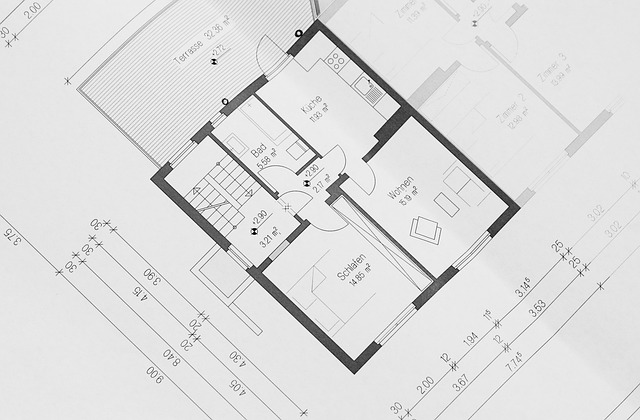
Architectural Foundation of Bloxburg Layouts
The bloxburg house layout acts as the skeleton of exterior design. Spatial flow defines how symmetry and balance emerge across façades. When living zones are properly separated from garages or gardens, curb appeal improves naturally because the viewer’s eye moves without confusion. Strategic placement of walls or windows also controls how daylight hits materials like stone or glass, creating dynamic shadows that give depth to flat surfaces.
How Layout Impacts the Perception of Luxury
Luxury in virtual builds often comes from openness and proportion rather than decoration. Expansive floor plans create a sense of airiness associated with modern estates. Multi-level designs add architectural depth by layering vertical interest, while symmetrical façades evoke refinement similar to neoclassical mansions. In essence, layout shapes perception before any texture or color is applied.
Designing Layouts That Elevate Exterior Appeal
A sophisticated exterior begins long before paint or plants—it starts with proportion and scale decisions within the layout itself. Builders who treat each wall length or window height as part of a larger composition achieve more cohesive results.
Integrating Proportions and Scale for a Premium Look
Balanced proportions between doors, windows, and walls prevent visual strain. Oversized entryways can signal grandeur if they align with roof height and wall rhythm rather than overpower them. Proper scaling ensures that no element feels accidental; every porch column or balcony line must belong to an underlying geometric logic that supports elegance.
Utilizing Space Efficiency to Enhance Visual Value
Even compact homes can appear luxurious when layouts maximize openness. Courtyards or connecting patios visually extend interiors outdoors, giving smaller builds breathing room. Vertical expansion—like double-height foyers—adds grandeur without increasing footprint size. Efficient zoning also reduces cluttered sightlines so that signature features such as fountains or lighting accents stand out clearly.
Architectural Styles That Reflect Luxury Through Layout Design
Different architectural languages express luxury through distinct spatial strategies. Whether minimalism’s restraint or Mediterranean layering, each style uses layout as its foundation for aesthetic identity.
Modern Minimalist Layouts for Sleek Exteriors
Minimalist builds rely on clean geometry: flat roofs, straight lines, uncluttered forms. Large glass panels dissolve boundaries between indoors and outdoors, emphasizing transparency and calmness. Neutral color palettes paired with structured landscaping highlight precision—a hallmark of modern luxury where less truly becomes more.
Mediterranean-Inspired Layouts for Timeless Elegance
Mediterranean-style layouts revolve around courtyards that provide privacy while maintaining openness at the core. Arched doorways and terracotta tones introduce warmth reminiscent of coastal villas. Layered rooflines add complexity without chaos, producing façades rich in texture yet grounded in tradition.
Contemporary Mansions with Layered Geometry
Contemporary mansions thrive on asymmetry done deliberately. Tiered levels allow facades to shift dynamically depending on angle or lighting conditions. Integrated LED strips along edges emphasize geometric contrast at night, turning structural form into part of the visual spectacle rather than mere support.
Enhancing Exterior Materials Through Strategic Layout Planning
Material selection alone cannot convey luxury unless supported by intelligent spatial organization. Where stone meets wood or glass meets metal matters as much as which materials are chosen.
The Role of Material Placement in Luxury Perception
Contrasting textures—smooth concrete beside rough stone—create tactile richness visible even from afar. Consistent transitions between sections reinforce cohesion; abrupt changes break immersion. When framed correctly by clean lines within the bloxburg house layout, high-quality finishes become focal points instead of background details.
Lighting Integration Within the Layout Framework
Lighting should be designed alongside structure rather than added afterward. Built-in pathway lights define circulation routes elegantly after dark. Layered illumination across façades highlights symmetry while preventing uneven shadows that cheapen appearance. Balanced brightness maintains both realism and sophistication during nighttime views.
Landscaping Synergy With House Layouts for an Expensive Look
Exterior landscaping completes architectural storytelling by extending layout logic into nature itself.
How Outdoor Design Complements Structural Layouts
Symmetrical landscape patterns mirror architectural rhythm—hedges aligning with columns or driveways framing main entrances enhance coherence instantly. Water features placed at focal points reflect light back onto façades, adding movement to static compositions while signaling refinement typical of estate properties.
Using Greenery to Define Spatial Boundaries
Greenery defines edges softly yet precisely. Tall hedges can shape property perimeters elegantly without harsh fencing lines. Vertical gardens soften modern exteriors while keeping their sleekness intact, whereas layered plant beds create dimensional depth around patios or terraces for a lived-in but curated atmosphere.
Advanced Design Techniques for Expert Builders in Bloxburg
Expert builders push beyond aesthetics toward functional artistry by merging realism with creativity inside game physics limitations.
Incorporating Functional Luxury Elements Into the Layout
Functional luxury means features serve both purpose and prestige: garages equipped with ambient lighting systems mimic real-world smart homes; rooftop lounges expand leisure zones upward; sliding transitions between interior living areas and outdoor decks make spaces feel continuous rather than compartmentalized.
Optimizing Perspective Views in Game Environments
Camera perspective influences how architecture reads visually inside Bloxburg’s environment engine. Orienting main structures toward open vistas maximizes perceived scale during walkthroughs or screenshots. Depth layering—placing foreground plants against mid-ground terraces—creates cinematic dimension similar to professional architectural renders used in real estate marketing.
Transforming Bloxburg House Concepts Into High-End Visual Experiences
High-end visuals come from aligning artistic intuition with technical precision throughout planning stages.
Combining Aesthetic Principles With Technical Precision
Each decision—from wall alignment to roof pitch—should follow proportion theory ensuring visual stability under varying angles of view. Consistent texture mapping avoids pixel distortion across façades enhancing realism comparable to professional 3D visualization standards used in architecture software like Revit or SketchUp Pro editions favored by digital designers today.
FAQ
Q1: What makes a bloxburg house layout look expensive?
A: Balanced proportions, clear zoning between functional areas, and consistent material use create visual harmony that reads as luxury even without lavish decoration.
Q2: How does lighting affect exterior appeal?
A: Properly distributed lighting highlights structure contours at night while avoiding dark zones that reduce perceived quality.
Q3: Which architectural style is best for premium-looking builds?
A: Modern minimalist styles excel for sleekness; Mediterranean layouts deliver timeless charm; contemporary mansions offer bold sophistication through layered geometry.
Q4: Can small houses look luxurious in Bloxburg?
A: Yes, efficient layouts using open courtyards or vertical expansion make compact homes appear larger and more refined visually.
Q5: Why is landscaping important for exterior aesthetics?
A: Landscaping extends architectural rhythm outdoors; symmetrical plantings and water features reinforce structure balance while enhancing curb appeal naturally.