
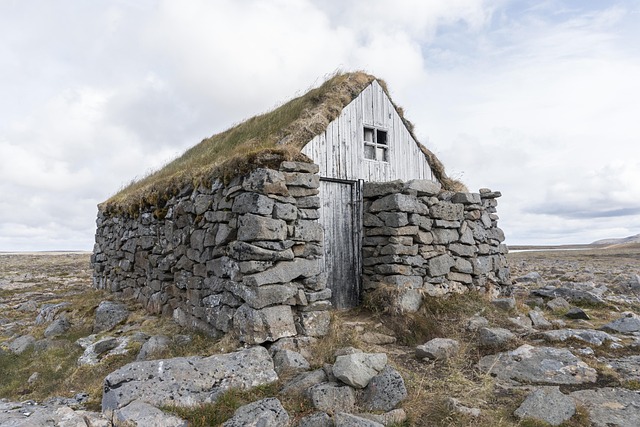
How Does Stone for Side of House Define the Fusion of Lava Stone and Coastal Architecture
Lava Stone and Old Fisherman’s House Merge into Contemporary Villa on Sicilian Coast
The fusion of lava stone with traditional fisherman’s architecture along the Sicilian coast represents a rare equilibrium between geological heritage and modern design. The use of stone for side of house construction is not merely aesthetic; it defines structural endurance and cultural continuity. In this coastal context, lava stone becomes both a technical solution and a poetic expression—its volcanic origin grounding contemporary villas in the island’s dramatic landscape while maintaining dialogue with centuries-old craftsmanship.
The Architectural Significance of Using Stone for the Side of a House
In coastal architecture, natural materials act as mediators between built form and environment. Stone facades, particularly those made from local sources, respond effectively to humidity, salt exposure, and wind erosion common to marine climates.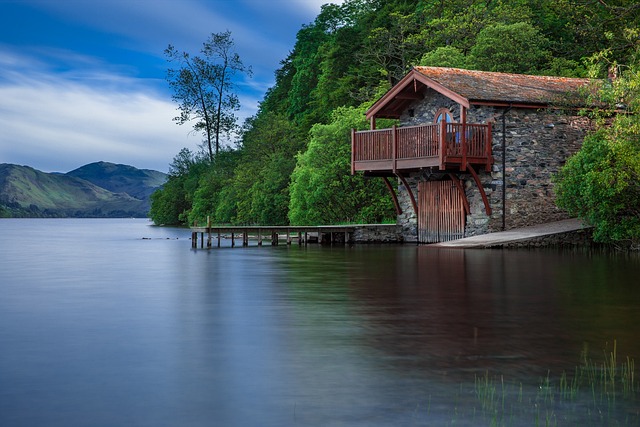
The Role of Natural Materials in Coastal Architecture
Natural stone enhances the connection between architecture and its environment. It reflects light differently throughout the day, creating subtle shifts that mirror coastal atmospheres. In humid zones like Sicily’s shoreline, stone resists decay better than plaster or timber. Its mineral density prevents rapid thermal fluctuation, reducing stress on structural joints. Architects often choose basaltic or limestone varieties because they complement the rugged terrain while offering longevity unmatched by synthetic alternatives.
Interpreting “Stone for Side of House” in Contemporary Design
The phrase “stone for side of house” now implies more than cladding—it signals an integrated environmental strategy. The selection of stone influences both energy performance and mechanical stability. Textural variation adds shadow depth that softens modern geometries against natural backdrops. When used alongside glass or steel, stone tempers visual contrast through earthy tonality. In Mediterranean projects, lava stone introduces an experimental edge: its vesicular surface bridges artisanal masonry with contemporary minimalism.
The Use of Lava Stone Introduces a Dialogue Between Tradition and Innovation
Lava stone embodies duality—ancient in origin yet adaptable to modern fabrication. Designers exploit its workability to craft ventilated facades or sculptural partitions. This material simultaneously recalls volcanic eruptions that shaped Sicily and affirms present-day sustainability goals by minimizing transport emissions through local sourcing.
Lava Stone as a Defining Element in Sicilian Coastal Architecture
The Sicilian coastline is geologically active, making lava stone not only abundant but symbolically potent. Its application in residential projects demonstrates how local geology can dictate architectural identity without nostalgia.
Geological Origins and Material Characteristics of Lava Stone
Formed from molten magma cooling rapidly upon contact with air or water, lava stone captures the island’s geological narrative in tangible form. Its porous matrix provides natural insulation against heat gain during long summers while allowing vapor diffusion that mitigates condensation issues near the sea. Color gradations—from silvery gray to dense black—lend dimensional richness when juxtaposed with whitewashed walls or reflective glazing.
Aesthetic Integration of Lava Stone into Modern Villas
Modern villas reinterpret vernacular typologies through calibrated use of texture and proportion. Architects often retain rough-cut blocks externally while polishing interior surfaces for tactile contrast. Pairing lava stone with white plaster achieves a timeless chiaroscuro effect reminiscent of Sicilian baroque façades yet distinctly modern in execution. The result is architecture that feels rooted yet forward-looking.
The Tactile Quality of Lava Stone Evokes Both Ruggedness and Refinement
Touch remains central to its appeal: slightly abrasive underhand yet visually smooth from distance. This duality enables designers to create sensory continuity between exterior terraces and interior floors, reinforcing spatial coherence across thresholds.
The Fusion Between Traditional Fisherman’s Houses and Contemporary Villas
Adapting historic fisherman dwellings into contemporary residences requires sensitivity to proportion, material memory, and community context. Stone becomes the mediator linking old typologies with new lifestyles.
Preserving Vernacular Identity Through Material Continuity
Maintaining original masonry walls preserves embodied energy while retaining cultural legibility. Builders often repoint existing joints using lime-based mortars compatible with historic substrates rather than replacing them entirely. Such continuity allows new additions to converse rather than compete with inherited forms.
Traditional Construction Methods Inform Modern Detailing Techniques
Lessons from traditional dry-stone assembly inspire ventilated wall systems today, where cavities improve thermal inertia without compromising authenticity. This hybridization demonstrates how empirical knowledge evolves into technical precision within sustainable frameworks.
Material Continuity Reinforces Cultural Memory Within New Architectural Contexts
By reusing site-sourced stones or fragments from demolished sections, architects embed narratives within new structures—each block carrying traces of past occupations that enrich spatial experience beyond visual aesthetics.
Environmental and Structural Performance of Stone Facades in Coastal Settings
Beyond symbolism lies performance: coastal environments test materials through salt spray cycles, temperature gradients, and mechanical abrasion by windborne particles.
Thermal Regulation and Energy Efficiency Benefits
Stone facades act as thermal buffers by absorbing solar radiation during daytime and releasing it slowly at night, stabilizing indoor temperatures naturally. This reduces dependency on air-conditioning systems—a notable advantage under Mediterranean climatic conditions where cooling loads dominate annual energy consumption profiles.
Resistance to Marine Climate Conditions
Lava stone’s mineral compactness grants superior resistance to saline crystallization compared to sandstone or travertine. Regular cleaning prevents biofilm accumulation without requiring chemical treatments that could degrade mortar joints. Over decades, oxidation subtly darkens surfaces into patinas valued for their authenticity rather than seen as decay.
Patina Development Over Time Enhances Rather Than Diminishes Aesthetic Value
This aging process aligns with regional sensibilities where weathering signifies endurance instead of neglect—a philosophy deeply embedded in Sicilian architectural culture.
Symbolism and Cultural Resonance in the Use of Lava Stone for Coastal Homes
Material choices carry semiotic weight; they express belonging as much as technical intent.
Expressing Local Identity Through Material Selection
Using locally quarried lava reinforces regional integrity within globalized design discourse. It communicates respect for place-specific resources while supporting local economies dependent on artisanal extraction industries.
The Volcanic Origin Symbolizes Resilience, Transformation, and Continuity With Nature
Volcanic rock metaphorically mirrors human adaptation—formed under pressure yet stable once cooled—echoing coastal communities’ resilience against environmental volatility such as storms or seismic events.
Material Honesty Aligns With Contemporary Architectural Ethics Emphasizing Transparency of Form and Function
Leaving joints visible or finishes unpolished conveys sincerity about construction processes—a stance increasingly valued within sustainable design ethics emphasizing authenticity over ornamentation.
The Dialogue Between Landscape, Architecture, and Materiality on the Sicilian Coast
Architecture along this coastline thrives when it negotiates rather than dominates its setting; material selection becomes part of ecological choreography involving light orientation, vegetation patterns, and sea exposure levels.
Integrating Built Form With Natural Contexts
Mass placement follows topographic contours to minimize excavation impact while maximizing cross-ventilation benefits from prevailing sea breezes. Stone cladding mediates between terrestrial solidity inland and maritime openness toward horizons—an equilibrium both physical and perceptual.
Landscaping Strategies Extend the Tactile Experience of Lava Stone Into Outdoor Spaces
Pathways paved with cut basalt lead seamlessly from interiors onto terraces edged by native flora like agave or prickly pear—plants thriving in volcanic soils—thereby extending geological identity into landscape design language.
Future Directions for Coastal Architecture Using Natural Stone Materials
Emerging fabrication technologies allow thinner panels without losing compressive strength thanks to CNC cutting precision tested under ISO 10545 standards for ceramic performance evaluation (source: ISO). Such advances open possibilities for adaptive reuse projects combining heritage preservation with carbon-conscious innovation across Mediterranean regions facing tourism-driven densification pressures.
FAQ
Q1: Why is lava stone preferred over other stones for coastal houses?
A: Its low porosity resists salt penetration better than sedimentary stones while providing natural thermal regulation ideal for seaside climates.
Q2: How does using local lava stone affect sustainability?
A: Local sourcing reduces transportation emissions significantly compared with imported materials and supports regional economies tied to quarry operations.
Q3: Can old fisherman’s houses structurally support modern extensions?
A: Yes, when reinforced through concealed steel tie-rods or concrete cores inserted within existing masonry voids without altering external appearance.
Q4: Does patina formation compromise structural integrity?
A: No; patina primarily affects surface coloration while underlying mineral cohesion remains intact if periodic maintenance is conducted properly.
Q5: What future research areas exist regarding natural stone facades?
A: Current studies explore nanocoatings improving hydrophobic performance under marine exposure per IEC environmental testing protocols applied to building materials durability assessments.