
Are Wall Facade Materials Increasing Fire Risks in Green Architecture
Researchers Warn Plastic-Potted Green Walls Could Pose “Grenfell Nightmare”
Green architecture has reshaped urban design, but experts now warn that some sustainable facades might conceal serious fire hazards. Plastic-potted green walls, often praised for energy efficiency and aesthetics, can act as ignition points if exposed to intense heat. The danger lies in the combination of combustible plastics, dry vegetation, and concealed air gaps behind cladding systems. This article explores how wall facade materials interact with fire dynamics, what lessons were learned from past disasters like Grenfell Tower, and how modern building codes and technologies can bridge sustainability with safety.
The Relationship Between Wall Facade Materials and Fire Risks
Facade systems are more than decorative layers; they form critical barriers between a building’s structure and external conditions. Their composition determines how fire behaves once it reaches the exterior surface.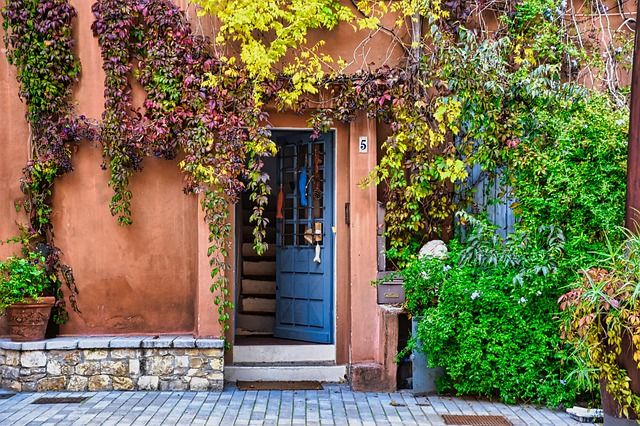
The Role of Facade Systems in Building Safety
Wall facade materials influence flame spread, smoke production, and overall structural endurance during a fire event. Composite panels with aluminum skins and polyethylene cores can accelerate vertical fire propagation if not properly compartmented. Insulation layers and cladding joints may create unseen channels that allow flames to travel upward rapidly. Regulatory frameworks such as ISO 13785-2 or EN 13501-1 define performance thresholds for facade assemblies to prevent catastrophic failures.
How Green Architecture Integrates Wall Facades
Green facades integrate vegetation into architectural envelopes through modular panels or climbing plant systems. These designs enhance thermal comfort by shading walls and reducing heat gain while improving air quality. Integration typically involves substrates, irrigation networks, and planting modules anchored to the main facade structure. Material selection must consider not only sustainability goals but also compliance with local fire safety regulations to prevent combustible combinations.
Fire Behavior of Materials Used in Green Wall Systems
As green walls become common features in commercial towers and public spaces, their material composition demands closer scrutiny. Each component—from pots to irrigation lines—affects how the system reacts under heat stress.
Combustibility of Plastic Components in Green Walls
Plastic containers, drip lines, and connectors often used in vertical gardens can melt or ignite when exposed to high temperatures. Some polymers release dense smoke and toxic gases such as hydrogen cyanide during combustion, worsening evacuation conditions. Replacing these with metal or ceramic alternatives significantly lowers ignition potential while maintaining durability.
Interaction Between Vegetation and Fire Dynamics
Plants themselves contribute to fire behavior depending on their moisture levels. Dried leaves or unmaintained vines can act as tinder along vertical surfaces. Moisture content plays a decisive role: living plants with adequate irrigation resist ignition longer than desiccated species. Routine maintenance—pruning dead foliage and managing irrigation—reduces flammability over time.
Lessons from Past Building Fires Involving Facade Materials
Recent decades have shown that facade fires can escalate quickly when combustible components align with poor system design. These events have reshaped global safety codes.
The Relevance of the Grenfell Tower Incident to Green Architecture
The Grenfell Tower tragedy revealed how composite cladding systems could turn a localized flame into a full-building inferno. While that case did not involve green walls directly, similar risks exist when sustainable facades use non-rated materials like plastic pots or synthetic substrates. Regional inconsistencies in testing standards mean many vegetated facade systems remain unverified under real-scale fire conditions.
Evaluating Current Standards for Fire Safety Testing
Fire resistance classifications differ among curtain walls, rainscreens, and vegetated facades. Traditional small-scale combustibility tests may not capture system-level behavior where multiple materials interact under heat flux. Full-scale testing protocols such as BS 8414 are being expanded to include hybrid assemblies combining organic matter with synthetic supports—a step toward more realistic evaluation of modern green architecture.
Balancing Sustainability Goals with Fire Safety Requirements
Sustainability targets often push designers toward lightweight composites or recycled plastics; however, these choices must be reconciled with stringent safety obligations.
Integrating Noncombustible Materials into Green Facades
Using mineral-based substrates like perlite or rock wool improves both plant health and fire resistance. Metal frameworks provide structural stability without adding fuel load. Designers can reduce plastic dependency by adopting modular trays made from aluminum or treated ceramics while maintaining ecological benefits such as biodiversity support.
Monitoring Systems for Early Fire Detection in Green Architecture
Smart monitoring tools have become essential for complex facade systems. Advanced thermostats—the best thermostats currently available integrate thermal imaging sensors—can detect abnormal temperature spikes behind panels before visible flames appear. Linking these sensors to central building management systems allows automatic alerts and early suppression actions that limit damage spread.
Future Directions in Research and Regulation
The next generation of sustainable architecture depends on innovation at the material level combined with proactive policy reform.
Innovations in Fire-Retardant Sustainable Materials
Researchers are developing bio-based composites infused with natural flame retardants derived from minerals or nanocellulose coatings that resist ignition without compromising recyclability. Nanocoatings engineered at micro-levels enhance heat insulation while keeping surfaces breathable for plant growth—a promising direction for safe green facades.
Policy Recommendations for Safer Green Building Practices
Authorities should mandate full-scale testing for vegetated wall assemblies under realistic conditions including wind exposure and moisture cycles. Updating international codes to explicitly address hybrid organic–synthetic facades will close regulatory gaps that currently allow risky installations. Education programs targeting architects and engineers can promote awareness of fire-safe design principles within sustainable development frameworks.
FAQ
Q1: Why are plastic-potted green walls considered risky?
A: Plastic components can ignite easily under high temperatures, releasing toxic fumes that accelerate fire spread across wall facades.
Q2: What materials offer safer alternatives?
A: Metal trays, ceramic planters, and mineral-based substrates provide higher resistance to ignition compared to conventional plastics.
Q3: How does vegetation moisture affect fire behavior?
A: Moist plants delay ignition due to water content; dry vegetation acts as fuel increasing flame intensity on vertical surfaces.
Q4: Are current building codes sufficient for green facades?
A: Many regions lack specific standards addressing vegetated systems; existing rules often focus on traditional cladding rather than hybrid assemblies.
Q5: Can technology help reduce facade-related fire risks?
A: Yes, integrating smart thermostats and thermal sensors enables early detection of abnormal heat patterns behind green wall structures, improving response times dramatically.