
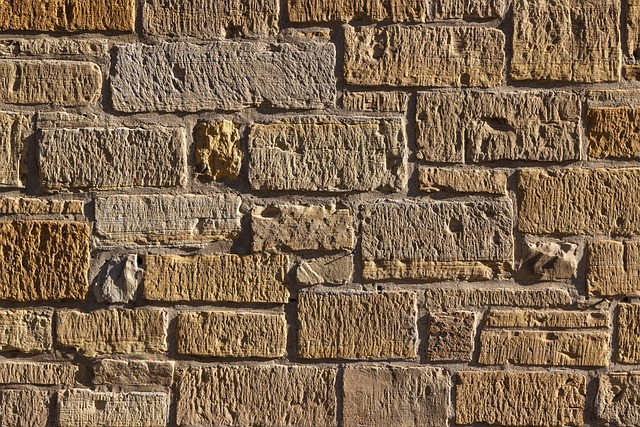
How Does the Rock Wall Facade Reflect Structural Innovation in Taipei 101
Alex Honnold’s Scale of Taipei 101 Warrants a Close Look at Its Facade
Taipei 101’s facade tells a story of balance between nature, culture, and engineering precision. When viewed through the lens of Alex Honnold’s climbing perspective, its rock wall facade becomes more than a surface—it represents structural resilience and symbolic endurance. The tower’s design merges traditional Chinese motifs with high-performance materials to withstand typhoons and earthquakes. Its layered facade acts as both armor and art, revealing how vertical architecture can express geological strength while maintaining flexibility. This article explores the architectural logic behind Taipei 101’s rock wall facade and its wider implications for modern skyscraper design.
Architectural Context of Taipei 101
Taipei 101 stands as a dialogue between ancient philosophy and contemporary engineering. The tower’s form and materiality were conceived to mirror cultural identity while responding to extreme environmental conditions that define Taiwan’s climate.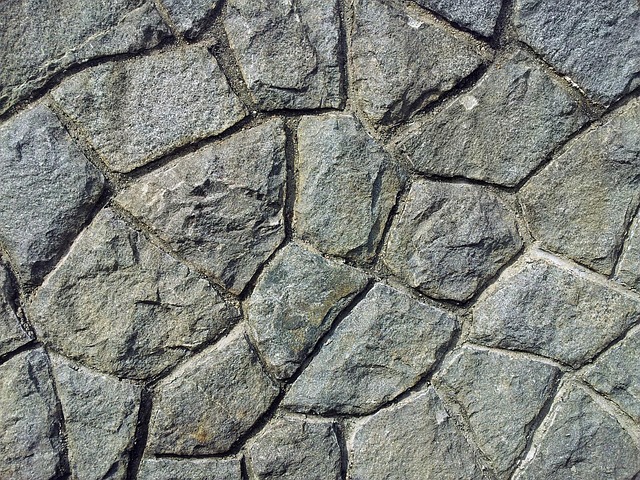
The Vision Behind Taipei 101’s Design
The design philosophy guiding Taipei 101 was rooted in the concept of upward growth, symbolizing prosperity and resilience. Inspired by bamboo—a plant known for flexibility under stress—the building integrates cultural symbolism with advanced structural systems. Each stacked module evokes traditional pagoda forms while maintaining aerodynamic efficiency against high winds. Environmental considerations shaped every decision, from the tuned mass damper that mitigates seismic motion to the glass curtain walls that reduce solar gain yet allow generous daylight.
Material Selection and Structural Logic
Material choice in Taipei 101 reflects a dual pursuit: visual harmony and mechanical performance. The facade employs green-tinted glass panels reinforced by high-strength steel framing, creating a rhythmic pattern reminiscent of stone layers in a rock wall. Composite elements enhance stiffness without excessive weight, optimizing load transfer across vertical columns and diagonal braces. This combination ensures both aesthetic unity and long-term durability in Taiwan’s humid coastal environment.
Understanding the Rock Wall Facade Concept
The notion of a “rock wall facade” extends beyond surface texture—it conveys structural integrity embedded within architectural expression. In Taipei 101, this metaphor translates into an engineered skin capable of absorbing environmental stress while projecting permanence.
Defining the Rock Wall Facade in Architectural Terms
A rock wall facade symbolizes endurance, much like geological strata shaped by time and pressure. Designers often draw parallels between such natural formations and human-built structures to evoke stability. In high-rise contexts, visual massing reinforces this perception; thick horizontal banding or recessed joints simulate depth, suggesting that the building is carved rather than assembled.
Engineering Principles Behind the Facade System
Behind its symbolic exterior lies precise engineering logic. The curtain wall system distributes loads evenly through mullions connected to floor slabs, allowing controlled movement during wind or seismic events. Vertical bracing aligns with column grids to maintain rigidity, while horizontal members accommodate differential expansion. Modular fabrication allows each panel to be preassembled off-site, improving accuracy and minimizing installation time—an approach now standard in tall building construction.
Structural Innovation Embedded in the Facade Design
Taipei 101’s facade operates as part of its lateral resistance system rather than an ornamental shell. Its geometry contributes directly to how forces travel through the structure during extreme events.
The Role of the Rock Wall Facade in Lateral Load Resistance
The stepped profile reduces wind vortex formation around corners, decreasing lateral pressure on core columns. Each tiered setback functions like a buttress distributing energy toward inner shear walls. During seismic motion, flexible connections between cladding units allow micro-adjustments without compromising weatherproofing—a subtle but vital adaptation for Taiwan’s tectonic zone.
Adaptive Design Strategies for High-Rise Stability
Damping systems integrated near facade layers complement internal mass dampers by diffusing vibration energy outward. Flexible joints manage thermal expansion across temperature swings exceeding 40°C annually. Mechanical ventilation channels hidden within mullions equalize air pressure between interior zones and external surfaces, preventing condensation buildup—a detail often overlooked yet critical for long-term maintenance.
Materiality: From Rock Wall to Wood Facade Analogies
While Taipei 101 embodies stone-like permanence, comparisons with wood facades reveal shifting attitudes toward sustainability and tactile expression in skyscraper design.
Comparing Rock Wall and Wood Facade Systems in Structural Expression
Rock wall facades emphasize compression strength; wood-inspired systems highlight tensile flexibility. In tall buildings, these differences manifest visually—stone analogies convey solidity through matte finishes and heavy shadow lines; wood analogies rely on warmth and rhythm through layered grain patterns or laminated veneers. Both aim for authenticity but respond differently to environmental aging.
Symbolic Interpretation of Natural Materials in Urban Skyscrapers
Natural metaphors ground urban towers within cultural narratives. Rock suggests endurance against adversity; wood implies renewal through adaptation. Architects use these contrasts deliberately—invoking permanence for civic identity or organic growth for ecological awareness—bridging emotional connection with technical performance.
Human Interaction with Vertical Surfaces: Insights from Climbing Perspectives
A climber like Alex Honnold interprets facades not only visually but physically—as sequences of grip points, ledges, and transitions revealing construction logic invisible from street level.
Understanding Facade Scale Through Human Movement Analysis
Maintenance crews or climbers moving along anchor tracks experience micro-level details: bolt spacing, panel seams, texture variations created by coatings or sealants. These tactile encounters expose craftsmanship often lost at urban viewing distance and inspire new thinking about accessibility standards for inspection systems on future towers.
Broader Implications for Structural Innovation in High-Rise Architecture
Taipei 101 remains a benchmark for integrating cultural narrative with structural pragmatism. Its rock wall facade demonstrates how symbolism can coexist with technological rigor without compromising safety or efficiency.
Lessons from Taipei 101’s Facade for Future Developments
Future skyscrapers may evolve this concept into adaptive smart facades capable of real-time thermal modulation or aerodynamic adjustment using sensor feedback loops aligned with ISO building performance guidelines (ISO 16368). Regional architects continue drawing lessons from Taipei 101—balancing expressive form with resilience strategies suited to seismic Asia-Pacific contexts where architecture must endure both nature’s force and cultural expectation.
FAQ
Q1: What inspired the rock wall facade concept in Taipei 101?
A: It was inspired by natural geological formations symbolizing strength and continuity while meeting modern engineering needs for wind resistance.
Q2: How does the facade contribute to earthquake safety?
A: Flexible joints within cladding panels allow controlled movement during seismic activity without damaging glass or frame integrity.
Q3: Why compare rock wall facades with wood facades?
A: Both represent natural metaphors—rock emphasizes permanence; wood highlights adaptability—offering different approaches to sustainability and aesthetics.
Q4: What role do modular panels play in construction?
A: Modular panels improve precision by being prefabricated off-site, reducing errors and speeding up installation on complex geometries like tapered towers.
Q5: How has Taipei 101 influenced later skyscraper designs?
A: It set precedent for integrating cultural symbolism into structural systems while prioritizing resilience against regional climate extremes such as typhoons and earthquakes.