
Are Eco Friendly Architecture Firms Redefining Sustainability in Berkeley
From Solar Rooftops to Straw Bale Walls and Beyond: Berkeley Firms Turn Sustainability into Reality
Eco friendly architecture firms in Berkeley have evolved from niche innovators into leaders of sustainable urban transformation. Their work now defines how cities can balance environmental responsibility with livability. The city’s progressive culture, academic depth, and supportive policies have created fertile ground for architecture that is both experimental and deeply practical. Today, sustainability is not a feature but a foundation—woven into every phase of design, material selection, and community integration.
The Emergence of Eco Friendly Architecture Firms in Berkeley
Berkeley’s architectural landscape reflects decades of environmental activism and academic experimentation. The city’s commitment to ecological responsibility has allowed architects to pioneer methods that later became mainstream across California and beyond.
Historical Context of Sustainable Design in Berkeley
The roots of sustainable design in Berkeley trace back to the 1960s when environmental awareness began shaping local planning codes. Progressive policies encouraged designs that reduced energy use and promoted natural comfort. UC Berkeley’s College of Environmental Design became a hub for research on passive solar systems and low-impact materials, influencing generations of architects who merged theory with practice. Early projects often featured natural ventilation systems, recycled lumber, and daylight-oriented layouts—simple yet effective strategies that remain relevant today.
The Shift Toward Integrated Sustainability Practices
Over time, sustainability evolved from an optional layer to a structural principle. Firms now integrate ecological performance from conceptual sketches through construction detailing. Collaboration between architects, engineers, and environmental scientists has become routine, enabling holistic solutions that address carbon reduction alongside occupant health. Certification frameworks such as LEED and WELL guide these efforts by quantifying performance metrics like energy intensity and indoor air quality. This shift marks a move from symbolic gestures toward measurable impact.
Defining Sustainability Through Architectural Innovation
As eco friendly architecture firms mature, their focus expands beyond aesthetics or compliance. They explore how material science, technology, and local economies intersect to create resilient buildings that perform efficiently throughout their lifespan.
Material Innovation and Low-Impact Construction
Material choices define much of a building’s carbon footprint. In Berkeley, designers increasingly specify renewable or reclaimed materials—straw bale walls for insulation, rammed earth for thermal mass, reclaimed timber for structural framing. Prefabrication reduces on-site waste while improving precision during assembly. Many firms prioritize sourcing within 100 miles to support regional suppliers and reduce transportation emissions. Such strategies align with lifecycle thinking where every component contributes to long-term sustainability rather than short-term cost savings.
Energy Efficiency and Renewable Integration
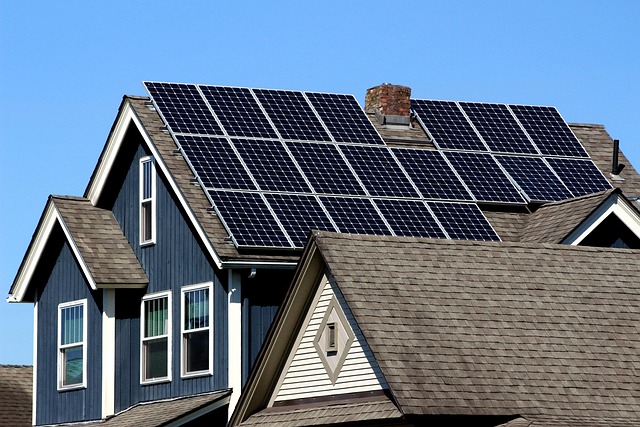
Energy systems now operate as integral parts of architectural form. Solar rooftops feed battery storage units that stabilize building operations even during grid fluctuations. Geothermal loops provide consistent heating and cooling without fossil fuels. Passive design remains central: proper orientation captures winter sun while deep overhangs block summer heat. Smart sensors track occupancy patterns to adjust lighting or HVAC output automatically, maintaining comfort with minimal energy draw. These technologies demonstrate how performance data informs design decisions in real time.
Urban Sustainability and Community Integration
Urban-scale sustainability requires more than efficient buildings—it demands cohesive neighborhoods that balance density with ecological value. Berkeley’s compact geography makes this interplay particularly visible.
Designing for Density and Livability
Architects tackle the challenge of accommodating population growth without sacrificing quality of life. Mixed-use developments combine housing with shops, offices, and public plazas to reduce commuting distances and encourage walking culture. Adaptive reuse projects transform aging warehouses into vibrant residential lofts while preserving embodied energy in existing structures. Green corridors link these developments through tree-lined streets or rooftop gardens that restore biodiversity even within tight urban grids.
Social Sustainability in Architectural Practice
Sustainability also means social inclusion. Firms increasingly embed universal accessibility standards into their designs so buildings serve all users equally. Affordable housing programs integrate renewable technologies—like shared solar arrays or greywater recycling—without inflating rents disproportionately. Public workshops during early planning stages allow residents to shape project priorities around local values such as water conservation or native landscaping. This participatory approach strengthens community ownership over environmental outcomes.
The Role of Policy and Regulation in Driving Eco Friendly Architecture
Berkeley’s regulatory environment has long been an incubator for green innovation. Local ordinances not only permit but actively reward sustainable experimentation through incentives and flexible zoning mechanisms.
Local Government Incentives and Building Codes
City authorities encourage developers to pursue renewable integration by offering expedited permitting for certified green projects. Tax credits offset initial investment costs for high-efficiency equipment or recycled materials procurement. Updated building codes address climate resilience directly—requiring drought-tolerant landscaping or reflective roofing materials to mitigate heatwaves. These measures align municipal policy with broader state-level climate targets under California’s decarbonization roadmap.
Collaboration Between Public Institutions and Private Firms
Public-private collaboration remains key to advancing sustainable practice at scale. Partnerships between UC Berkeley research labs and local studios have yielded breakthroughs in bio-based composites and advanced simulation tools for energy modeling. Municipal pilot projects often test these innovations before broader adoption across the city’s building stock. Knowledge-sharing networks among local professionals further accelerate diffusion of effective techniques—from stormwater management prototypes to modular green façade systems.
The Future Trajectory of Sustainable Architecture in Berkeley
The next decade promises deeper integration between digital technology, biological materials, and circular economy principles within architectural workflows.
Emerging Technologies Shaping Design Philosophy
AI-driven modeling tools now allow architects to simulate thousands of design iterations rapidly, predicting energy use patterns before construction begins. Bio-based materials like mycelium composites offer lightweight yet durable alternatives with near-zero embodied carbon profiles. Water recycling systems are being designed alongside landscape features such as constructed wetlands or permeable pavements to create closed-loop hydrological cycles within urban sites.
Expanding the Definition of Sustainability Beyond Energy Efficiency
Future sustainability will extend beyond kilowatt-hours saved toward holistic well-being metrics. Lifecycle analysis will quantify not just operational emissions but total environmental cost from extraction through demolition phases. Health-centered design emphasizes daylight access, low-VOC finishes, and biophilic elements proven by studies from organizations like the International WELL Building Institute (IWBI) to enhance cognitive performance indoors (IWBI Standard v2). Ethical sourcing frameworks guided by ISO 20400 principles push firms toward supply chain transparency while circular economy models promote reuse over replacement across entire districts.
FAQ
Q1: What makes eco friendly architecture firms in Berkeley distinct?
A: They integrate academic research with practical application, using advanced materials science alongside community-driven planning rooted in local policy support.
Q2: How do these firms handle cost challenges linked to sustainable materials?
A: They offset higher upfront costs through lifecycle savings on energy use and maintenance while leveraging local tax incentives for certified green projects.
Q3: Which certifications are most common among Berkeley’s sustainable buildings?
A: LEED Platinum remains prevalent, but WELL certification is gaining traction due to its focus on occupant health metrics beyond energy efficiency alone.
Q4: Are traditional materials like straw bale still relevant today?
A: Yes; modern engineering methods have refined such natural materials into reliable components meeting seismic codes while retaining low embodied carbon benefits.
Q5: How does community participation influence project outcomes?
A: Early engagement ensures alignment between environmental goals and social priorities, fostering long-term stewardship among residents once construction concludes.