

Is Roof House Design Redefining Modern Architecture in Coronado
Plane on a Roof? Coronado Home Design Sparks Debate
The rise of roof house design in Coronado has ignited both admiration and skepticism. Architects view it as an evolution of coastal modernism, while residents question its fit within the city’s traditional skyline. The debate reflects a broader shift in urban housing—where rooftops become active living zones rather than static caps. This movement, shaped by zoning codes and design experimentation, signals how Coronado’s architectural identity is redefining vertical space to balance creativity, sustainability, and community expectations.
Architectural Innovation and the Rise of Roof House Design in Coronado
Coronado’s architecture has long reflected its dual nature—part resort town charm, part progressive experimentation. The growing interest in roof-based living structures fits this duality, blending innovation with heritage.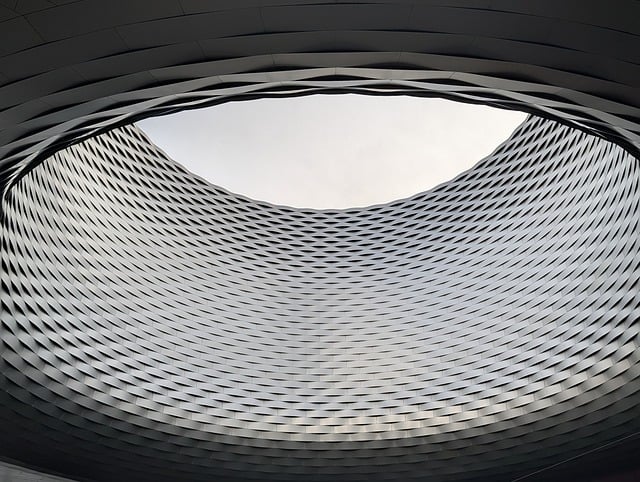
Contextual Overview of Coronado’s Architectural Landscape
Coronado’s architectural identity blends coastal influences with modernist experimentation. Its residential areas showcase Spanish Revival villas beside glass-fronted contemporary homes that embrace ocean views. City zoning ordinances emphasize low-rise silhouettes and visual harmony, yet architects are testing these boundaries through rooftop extensions and vertical layering. Projects featuring elevated terraces or enclosed roof pavilions represent a new typology that redefines the city’s skyline without erasing its character.
Defining Roof House Design in Contemporary Architecture
Roof house design integrates functional living or recreational spaces atop structural roofs. It transforms underused surfaces into social or private zones—gardens, studios, or lounges—that extend indoor life upward. This approach promotes spatial efficiency and sustainability by maximizing limited land use while maintaining aesthetic cohesion. In contemporary architecture, it reinterprets the threshold between interior and exterior environments, turning rooftops into transitional realms rather than mere enclosures.
The Debate Surrounding Roof-Based Structures in Residential Projects
The conversation around rooftop architecture in Coronado mirrors wider global debates about urban density and visual continuity. While some see it as visionary adaptation, others perceive disruption to established neighborhood rhythms.
Public Perception and Aesthetic Controversy
Local communities express divided opinions on the visual impact of rooftop additions. Longtime residents often argue that elevated structures interrupt cherished sightlines toward the bay or ocean. Critics emphasize that excessive height or reflective materials can distort the area’s cohesive aesthetic. Supporters counter that such designs reflect natural architectural evolution—an inevitable response to spatial constraints and environmental goals. For many designers, creative freedom outweighs nostalgia for uniform silhouettes.
Regulatory and Zoning Considerations in Coronado
Building codes strongly influence height limitations, view corridors, and structural safety standards across Coronado’s residential zones. Permitting processes evaluate not only technical compliance but also visual compatibility with surrounding properties. Environmental reviews assess stormwater runoff from roof decks or solar installations to maintain ecological balance along the coast. Architects working within these frameworks must navigate between innovation and municipal expectations for community coherence—a delicate balancing act where every inch of elevation matters.
Functional and Environmental Dimensions of Roof House Design
Beyond aesthetics lies a practical dimension: how rooftops serve as adaptive tools for space optimization and environmental performance in dense coastal settings.
Maximizing Space Efficiency Through Vertical Expansion
Urban density drives interest in utilizing rooftops for additional living areas without expanding ground footprints. Multi-functional roof spaces accommodate leisure decks, green gardens, or auxiliary dwelling units suitable for guests or rentals. Vertical layering enhances property value while preserving yard space below—a crucial advantage where lot sizes are constrained by geography. In practice, this vertical expansion allows families to enjoy panoramic views while retaining privacy from street level activity.
Sustainability and Energy Performance Advantages
Green roofing systems contribute to thermal regulation by reducing heat absorption during peak summer months and improving insulation during cooler seasons. They also assist stormwater management by absorbing rainfall before it reaches drainage networks—a growing concern in coastal cities facing sea-level rise. Integrating solar panels aligns with renewable energy goals promoted by agencies like IRENA and IEA, reducing household carbon output over time. Lightweight composite materials further lower structural loads while maintaining durability against salt-laden air common along the Pacific coast.
Architectural Expression: Form, Materiality, and Integration
Rooftop structures demand more than engineering precision; they require aesthetic fluency to blend innovation with context-sensitive design language.
Harmonizing Modernist Forms with Coastal Contexts
Designers often employ minimalist geometries that echo horizon lines of the nearby shoreline. Transparent façades invite natural light deep into interiors while open terraces encourage passive ventilation—an essential feature under California’s mild climate patterns documented by NOAA data sets. Material palettes frequently reference maritime tones through glass balustrades, brushed steel framing, and weather-treated wood finishes that age gracefully under marine exposure.
Structural Innovation Supporting Roof-Level Adaptations
Contemporary projects increasingly rely on reinforced frameworks engineered to handle variable wind loads typical of coastal environments defined by ASCE 7-22 standards for structural design. Modular construction techniques simplify assembly atop existing foundations while minimizing disruption to occupied floors below—a method gaining traction among prefabrication specialists across Southern California.
Load-Bearing Strategies for Elevated Structures
Reinforced concrete cores combined with lightweight steel trusses distribute weight efficiently across load paths without exceeding local code thresholds for seismic resilience established by California Building Standards Code (Title 24). These strategies enable homeowners to add rooftop elements safely even on older properties retrofitted for modern use.
Integration of Smart Building Technologies
Automated shading systems controlled via sensor arrays adjust louver positions based on solar intensity throughout the day—reducing cooling demand measured under ISO 17772-1 building performance criteria. Sensor-based monitoring networks track humidity levels across multi-level configurations to prevent condensation damage common in oceanfront dwellings.
Broader Implications for Modern Architecture in Coastal Cities
The experimentation visible in Coronado resonates beyond its shores as architects worldwide reconsider how roofs can evolve from passive barriers into active design frontiers.
Influence on Future Urban Housing Models
Rooftop habitation illustrates a shift toward adaptive reuse of vertical space within increasingly dense regions such as San Diego County or Santa Monica Bay developments tracked by regional planning boards. Hybrid typologies combining housing with ecological infrastructure—solar farms or green corridors—are emerging as prototypes for sustainable urbanism where every surface contributes functionally to city ecosystems.
Redefining Aesthetic Norms in Contemporary Design Practice
The acceptance of unconventional roof structures signals an evolving architectural paradigm where form follows adaptability rather than tradition alone. Coronado’s willingness to experiment may provide a reference model for other coastal municipalities seeking equilibrium between preservation mandates and forward-looking creativity. As public opinion matures alongside regulatory clarity, roof house design could redefine not just skylines but lifestyles shaped around elevation itself.
FAQ
Q1: What defines a roof house design?
A: It refers to residential architecture incorporating usable living or recreational areas atop a building’s main structure rather than treating the roof as purely protective covering.
Q2: Why is roof house design controversial in Coronado?
A: Many residents worry about altered skyline views or loss of neighborhood uniformity, while architects argue it represents necessary adaptation within limited land availability.
Q3: How do zoning laws affect rooftop projects?
A: Local ordinances regulate height limits, materials, view corridors, and environmental compliance; approval requires balancing innovation with community standards.
Q4: Are rooftop additions environmentally beneficial?
A: Yes, when designed properly they improve insulation efficiency, manage stormwater naturally through green roofs, and support renewable energy generation via solar panels.
Q5: Could this trend influence other coastal cities?
A: Likely so; success stories from Coronado may inspire similar frameworks elsewhere seeking sustainable growth without sacrificing architectural identity.