
Are House Plans and Floor Plans Evolving Toward Broken Layouts in 2026
Designers Say “Broken Floor Plans” Are Replacing Open Concept in 2026—Here’s Why
The open-concept home, once a hallmark of modern living, is giving way to something more nuanced: the broken floor plan. Designers forecast that by 2026, this hybrid approach will dominate residential architecture. It offers the best of both worlds—visual flow without the chaos of complete openness. Driven by post-pandemic lifestyles, acoustic demands, and sustainability goals, the shift reflects how people truly live now. The new generation of house plans and floor plans favors flexibility, privacy, and comfort over endless sightlines.
The Shift from Open Concepts to Broken Floor Plans
Residential architecture rarely stays still. For decades, the open-concept layout symbolized freedom and family connection. Yet as daily routines evolve, so do spatial expectations.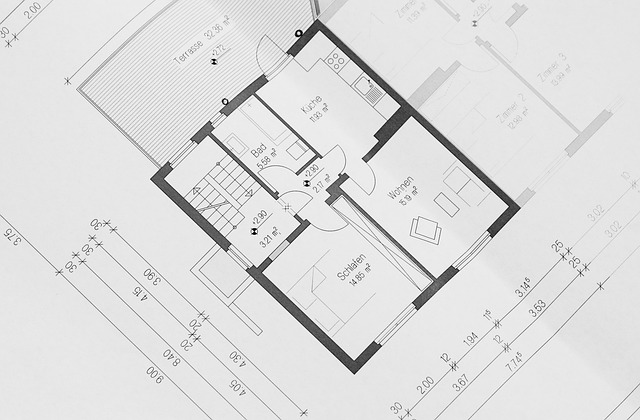
The Evolution of Residential Layouts
Open-concept designs rose to prominence in mid-century modern homes and persisted through the early 2000s. They offered visual spaciousness and social cohesion by merging kitchens, dining rooms, and living areas into one continuous zone. However, changing lifestyles—especially remote work and digital learning—have revealed their limitations. Noise travels freely; smells linger; privacy disappears. Designers now seek ways to partition space without reverting to closed-off rooms. The goal is controlled openness that supports multiple activities simultaneously.
Defining the “Broken Floor Plan” Concept
A broken floor plan introduces gentle divisions within open layouts using partial walls, glass screens, or furniture placement. These architectural gestures carve out zones for cooking, working, or relaxing while preserving a sense of connection across spaces. Unlike traditional compartmentalization, this approach values permeability over enclosure. It also enhances acoustics and temperature control—two factors often neglected in wide-open interiors.
Redefining Spatial Flow While Maintaining Connectivity
Spatial flow remains vital in broken layouts but takes on new meaning. Instead of one vast room, designers choreograph movement through semi-connected pockets of activity. Ceiling variations or lighting schemes guide circulation naturally. This layered composition allows residents to feel together yet apart—a balance that aligns with contemporary domestic rhythms.
Factors Driving the Popularity of Broken Layouts in 2026
The rise of broken floor plans is not aesthetic alone; it stems from deep cultural and behavioral shifts since 2020.
Shifts in Post-Pandemic Living Patterns
Remote work has permanently altered how people inhabit their homes. Dining tables turned into offices; bedrooms became classrooms. As these hybrid roles persisted, homeowners demanded layouts that could flex between productivity and relaxation without constant rearranging. Divided but connected zones now make more sense than one large multipurpose area. They promote focus during working hours while allowing easy transition back to social life after hours.
The Role of Acoustics and Privacy in Modern Homes
Noise management has become a design priority. In fully open spaces, even small sounds multiply—a phone call can dominate an entire floor. Broken plans counter this by introducing sound buffers such as shelving partitions or textured wall panels that absorb reverberation. Materials like cork flooring or acoustic plaster add another layer of calm without compromising aesthetics.
Balancing Openness with Comfort
Designers increasingly acknowledge that psychological comfort matters as much as visual appeal. Subtle separations give occupants control over exposure and retreat—something especially valued in multi-generational households or shared apartments where boundaries blur easily.
Architectural and Design Strategies Behind the Trend
This transformation is not about abandoning openness but refining it through smarter spatial tools.
Spatial Zoning Through Architectural Elements
Architects use half-walls to define kitchen edges or install glass partitions that diffuse light while blocking noise. Built-in shelving doubles as storage and divider between lounge areas and workstations. Even minor level changes—like a step-down living room—signal functional shifts without closing off sightlines entirely.
Level Changes and Lighting Hierarchies
Ceiling variations delineate zones subtly: dropped panels above dining tables create intimacy; uplighting along corridors strengthens directionality. Layered lighting design also enforces hierarchy within open volumes by assigning brightness levels to different tasks rather than relying on uniform illumination.
Materiality and Texture as Tools for Division
Contrasting materials mark transitions between spaces effectively. Warm oak flooring might meet cool stone tiles at a kitchen threshold; textured plaster can distinguish a reading nook from a TV area. Yet continuity remains through repeated tones or finishes so the home feels cohesive rather than fragmented.
The Influence of Technology and Sustainability on Evolving Floor Plans
Technological integration and environmental awareness are redefining how segmented spaces operate day-to-day.
Smart Home Integration Within Segmented Layouts
Smart systems now coordinate lighting intensity, temperature zoning, and shading across multiple micro-environments inside one dwelling. Automated sliding panels can transform an open-plan living area into two private rooms when needed—a feature particularly useful for small urban apartments where every square foot counts.
Sustainable Design Considerations in Broken Layouts
Segmentation supports energy efficiency because heating or cooling can target occupied zones instead of conditioning an entire open expanse. Controlled airflow paths improve natural ventilation performance too, reducing reliance on mechanical systems. Sustainable materials such as bamboo panels or recycled glass partitions reinforce both ecological responsibility and tactile richness.
Technology Enabling Flexibility
Adaptive technologies extend beyond automation: modular furniture systems allow quick reconfiguration for different uses throughout the day—from yoga studio to home theater—without structural changes.
Implications for Future House Plans and Floor Plan Design Practices
As architecture adapts to social shifts, broken layouts signal broader changes in how flow and connectivity are conceptualized within residential design frameworks.
Reinterpreting Flow and Connectivity in Contemporary Homes
Future house plans will emphasize connected yet distinct environments where circulation paths maintain visual lines but respect personal space needs. Architects are experimenting with diagonal sightlines that link rooms indirectly rather than head-on views across entire floors—a subtle move that preserves intimacy while keeping orientation clear.
Adapting Design Principles for 2026 and Beyond
Flexibility has become central to long-term planning strategies for both developers and homeowners evaluating new house plans floor plans portfolios. Anticipating evolving family dynamics or hybrid work patterns requires adaptable structures capable of transformation without major renovation costs.
The Broken Floor Plan as Transitional Model
Many experts consider broken layouts a bridge toward fully adaptive housing models where movable partitions or smart materials dynamically reshape interior boundaries based on occupancy data or user preference—a concept already being explored in experimental residential prototypes globally.
FAQ
Q1: Why are broken floor plans replacing open concepts?
A: They offer better privacy, noise control, and flexibility while retaining visual connection across living areas—a practical response to post-pandemic lifestyle changes.
Q2: How do broken layouts affect property value?
A: Homes with flexible zoning appeal more broadly because they adapt easily to remote work setups or multigenerational living needs, which can enhance resale potential.
Q3: What materials best support acoustic separation?
A: Textured plaster walls, cork flooring, felt panels, or wood slats all reduce sound transmission effectively without heavy construction interventions.
Q4: Are broken floor plans suitable for small homes?
A: Yes; partial dividers or sliding screens create distinct functions even within compact footprints while maintaining openness through light flow continuity.
Q5: How do sustainable practices integrate with these layouts?
A: Segmented zones allow selective heating/cooling for energy savings; natural ventilation improves air quality; eco-friendly finishes strengthen overall sustainability performance within modern house plans floor plans contexts.