
Are Your Coffee Table Decor Choices Making Your Living Room Look Generic
5 Living Room Accessories That Are Making Your Space Look “Mass-Produced,” Designers Say
Many living rooms today suffer from a sense of sameness. Designers repeatedly point to one culprit: generic coffee table decor. When every home features the same tray, candle, and book stack, individuality disappears. Experts argue that the key to avoiding a mass-produced look lies in curating pieces that tell a story rather than following formulaic trends. Authenticity stems from material depth, personal artifacts, and thoughtful proportion—elements that transform a coffee table from filler furniture into a design statement.
The Role of Coffee Table Decor in Interior Design
Coffee tables do more than fill space; they define it. Their placement and styling influence how people perceive balance and personality within a room. When treated as an afterthought, this surface can flatten even the most well-designed interiors.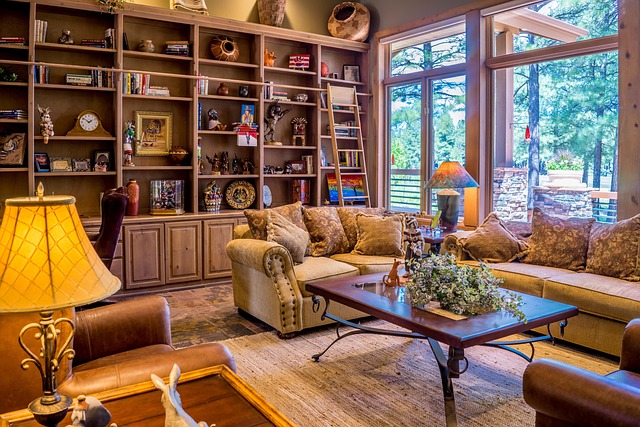
The Coffee Table as a Focal Point in Living Spaces
A coffee table anchors the visual composition of a living room. It serves as both a physical and aesthetic center, drawing attention toward the seating arrangement. Decorative objects here often mirror the homeowner’s design sensibility—whether minimalist, eclectic, or classic. However, overused styling formulas risk turning this focal point into visual noise. A predictable setup makes guests feel like they’ve seen it all before.
How Generic Decor Affects Perceived Design Quality
Generic decor gives away its mass-market origins quickly. Trend-driven accessories—especially those replicated across retail catalogs—create an impersonal tone. Without contextual curation, these items fail to support the broader design narrative of a home. Professional designers consistently emphasize cohesion over imitation; they aim for flow rather than replication of what’s popular on social media.
Identifying Common Coffee Table Decor Mistakes
Missteps in coffee table styling usually stem from repetition and lack of texture. When every home uses identical decorative formulas, individuality fades fast.
Overuse of Predictable Styling Formulas
The “stacked books + candle + tray” combination dominates countless interiors. While balanced in composition, it lacks spontaneity and authenticity. Formulaic layouts don’t express genuine taste; they echo showroom setups instead of lived-in spaces. Designers recommend breaking symmetry with objects at varying heights or unexpected materials—a small sculpture beside an irregular stone bowl can add intrigue without clutter.
Reliance on Mass-Produced Decorative Objects
Factory-made ornaments often appear perfect but lifeless under real light. Their uniform finish lacks tactile richness or craftsmanship marks that signal care and artistry. Repetition of these identical pieces across homes creates monotony—a kind of visual déjà vu that makes spaces feel staged rather than inhabited. Incorporating artisanal ceramics or vintage finds introduces irregularity and character that mass production cannot replicate.
The Impact of Material and Texture Choices on Visual Authenticity
Texture communicates honesty in design more effectively than color trends ever could. Material choices reveal whether an interior feels curated or copied.
Synthetic Versus Natural Finishes in Tabletop Styling
Synthetic materials—acrylics, resins, plastics—often appear flat when sunlight hits them directly. They reflect light uniformly, leaving little depth or shadow play. In contrast, natural finishes like wood grain, marble veining, or hand-thrown ceramics bring warmth through subtle imperfections. Mixing tactile contrasts—a linen runner beside polished brass or rough stone—creates sophistication even within minimalist schemes.
The Role of Patina and Imperfection in Creating Character
Objects with visible wear tell stories that new items cannot fake. A slightly chipped glaze or tarnished metal edge adds emotional weight to decor arrangements. These imperfections suggest intentional curation rather than careless aging. In professional design circles, patina is valued not as damage but as evidence of time—a quality that grounds modern interiors with human touch.
Strategies for Elevating Coffee Table Styling Beyond Trends
Avoiding trend fatigue requires shifting focus from imitation to intention. Every object should serve either aesthetic purpose or personal meaning.
Integrating Personal Artifacts and Meaningful Objects
Personal mementos—travel souvenirs, family heirlooms, or handmade crafts—introduce narrative depth to tabletop compositions. These items connect occupants emotionally to their environment while differentiating their space from catalog replicas. Designers frequently highlight how such pieces evoke memory or cultural identity, making even neutral rooms feel intimate and layered.
Balancing Functionality with Aesthetic Intentions
Functional decor can be beautiful when thoughtfully integrated. Coasters carved from stone or trays woven from rattan perform practical duties while contributing texture and rhythm to the arrangement. Layering functional pieces prevents clutter by offering structure; each item earns its place visually and practically.
Curating a Distinctive Visual Language for Your Living Room
A distinctive living room doesn’t rely solely on expensive furniture—it depends on proportionate relationships between scale, color, and space breathing room.
Considering Scale, Proportion, and Negative Space
Proper scale ensures harmony between furniture size and tabletop elements. Large tables overwhelmed by tiny trinkets feel awkward; conversely, oversized sculptures crowd smaller surfaces. Leaving negative space allows each object to stand out individually while maintaining calmness across the composition—a principle interior stylists use deliberately to guide visual flow.
Using Color Theory to Reinforce Design Cohesion
A cohesive palette ties together disparate elements across the room. Accent tones introduced through coffee table decor should echo hues found elsewhere—in cushions, artwork frames, or rugs—to achieve unity without monotony. Subtle repetition strengthens rhythm; even slight color echoes can make the entire space feel considered rather than accidental.
Designer-Endorsed Alternatives to Generic Coffee Table Decor
Leading designers advocate for authenticity through craft and rotation rather than accumulation of trendy objects.
Emphasizing Artisanal Craftsmanship and Local Design Sources
Commissioning locally made ceramics or sculptures introduces exclusivity impossible with factory lines. Each handmade piece carries small variations that celebrate human touch while supporting sustainable creative economies. This approach aligns with growing preferences for ethical sourcing within interior design practice globally.
Incorporating Seasonal or Rotational Styling Approaches
Rotating decor seasonally keeps interiors fresh without major redesigns. Light linens and pale ceramics suit summer brightness; darker woods and textured textiles complement winter moods. Adjusting materials according to daylight shifts maintains visual energy throughout the year while preventing decor fatigue—a subtle yet powerful technique used by experienced stylists.
FAQ
Q1: Why does my living room look generic despite expensive furniture?
A: High-end pieces lose impact when surrounded by repetitive accessories; unique textures and personal artifacts restore individuality.
Q2: What’s a simple way to refresh coffee table decor?
A: Swap one mass-produced item for something handmade or vintage—it instantly changes tone without full restyling.
Q3: How often should I rotate tabletop accessories?
A: Every few months is ideal; align updates with seasonal light changes for natural variation in mood.
Q4: Are asymmetrical arrangements better than symmetrical ones?
A: Not always better but more dynamic; asymmetry adds movement while symmetry provides calmness—balance both intentionally.
Q5: Do natural materials require special care?
A: Yes, wood needs periodic oiling and stone benefits from sealing; maintenance preserves their authentic texture over time.