
How Do Interior Decorating Styles Influence Modern House Plans Floor Plans
How To Find Your Home Decorating Style—Even If You Think You Don’t Have One
Every home tells a story, and that story begins with how space feels. Finding a decorating style isn’t about following trends—it’s about aligning architectural layout, materials, and daily function. The right interior style defines how people move through rooms, how light interacts with surfaces, and how comfort meets purpose. Whether the goal is calm minimalism or layered tradition, the best house plans floor plans are those where design choices and lifestyle merge seamlessly.
The Relationship Between Interior Decorating Styles and Modern House Planning
A home’s layout doesn’t exist in isolation; it responds to the aesthetic direction chosen for its interiors. Architects and designers collaborate early to translate visual preferences into spatial form.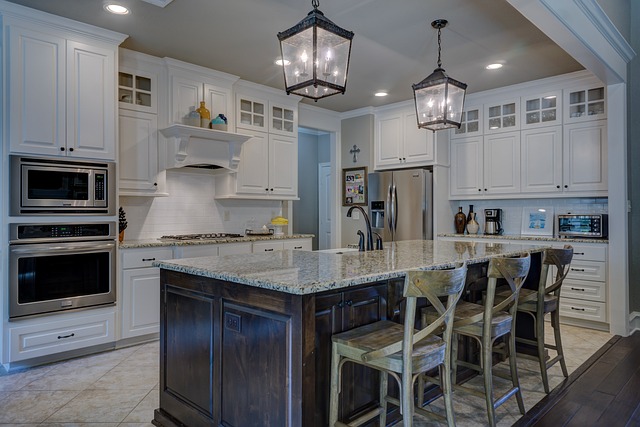
Understanding the Connection Between Aesthetic Vision and Spatial Design
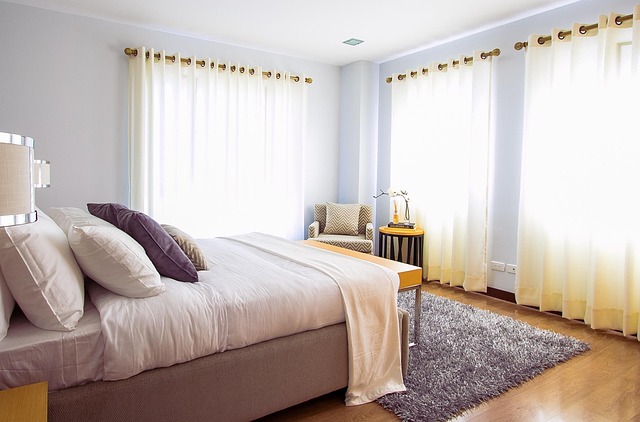
Interior decorating styles influence how spaces are organized and experienced. A minimalist interior often requires open sightlines and simplified circulation paths, while eclectic or traditional designs thrive on segmentation and detail layering. Architectural layouts mirror these needs—compact yet fluid for modernists, symmetrical for classical homes. When style and plan align, livability improves because every square meter serves both beauty and function.
How Historical Design Movements Shape Contemporary Floor Plans
Modern house planning still carries echoes of past movements. Mid-century modern ideals introduced open-plan living that blurred boundaries between kitchen, dining, and lounge areas. Minimalist architecture refined this concept with cleaner geometry and fewer partitions. Even today, traditional influences remain visible in zoning principles—formal dining rooms or grand foyers reflect historical notions of hierarchy within domestic space.
The Impact of Interior Decorating Styles on Spatial Configuration
Spatial configuration acts as the physical framework that gives interior style its rhythm. Designers use it to balance openness with privacy while maintaining coherence between zones.
Open Concept Living and Its Stylistic Foundations
Minimalist and Scandinavian interiors favor open layouts filled with daylight. Reduced walls allow visual continuity across functions—cooking blends into socializing without breaking flow. Structural planning supports this by aligning ceiling heights, window positions, and material transitions so that movement feels effortless rather than accidental.
Zoning Principles in Style-Oriented Floor Plans
Classical interiors rely on well-defined zones for proportionate order: formal reception areas separate from private quarters. Transitional homes reinterpret this by using partial partitions or furniture groupings instead of solid walls. Circulation follows furniture scale; a large sectional sofa might naturally define a family zone even in an open plan.
Integrating Materiality and Finishes into Floor Plan Development
Material selection is not an afterthought—it shapes acoustics, comfort, and perception of space from the earliest design phase.
The Role of Materials in Defining Space Functionality
Natural wood brings warmth suitable for rustic or Scandinavian themes; polished concrete suits industrial settings; marble floors reinforce classical grandeur. Each material affects sound absorption, light reflection, and temperature regulation differently. Architects coordinate palettes early so that finishes enhance rather than contradict structural intent.
Lighting Strategies That Complement Interior Styles
Lighting carries emotional weight within architecture. Industrial styles highlight exposed bulbs or track fixtures that celebrate rawness. Modern interiors prefer recessed fittings to maintain visual calmness. Sustainable design trends now push daylight optimization through skylights or clerestory windows to reduce energy use while improving well-being.
Functional Adaptations Influenced by Decorating Preferences
Lifestyle changes continually reshape what “home” means—and decorating styles evolve alongside these shifts.
How Lifestyle Trends Redefine Floor Plan Priorities
Remote work has made home offices essential components of new builds. Wellness rooms or yoga corners appear even in compact apartments. Whether these spaces blend seamlessly or stand apart depends on stylistic preference: minimalist homes integrate them subtly; eclectic ones highlight them as focal points within the plan.
Furniture Scale and Proportion as Architectural Considerations
Furniture decisions directly influence architecture. Oversized sofas demand generous clearances; tall cabinetry alters ceiling perception; modular pieces allow flexibility in smaller footprints. Designers must anticipate how circulation adapts to these proportions so users move comfortably without compromising aesthetic intent.
Harmonizing Exterior Architecture with Interior Style Intentions
A cohesive home extends its personality from façade to furnishings—continuity creates credibility in design storytelling.
Continuity Between Facade Design and Interior Atmosphere
Exterior cladding should forecast what lies inside: timber siding hints at organic interiors; glass façades suggest transparency typical of modern minimalism. Window placement aligns with interior focal points like dining tables or artwork walls to preserve compositional logic across boundaries.
Collaborative Design Processes Between Architects and Interior Designers
When architects and interior designers collaborate early using shared digital models, structural constraints meet decorative ambition without friction. This integrated process minimizes costly revisions later while keeping both technical accuracy and stylistic harmony intact.
Emerging Trends Linking Interior Styles with Future House Plans
The next wave of residential design merges sustainability with technology-driven personalization—beauty now coexists with responsibility.
Sustainable Design as a Unifying Framework for Style Integration
Eco-conscious materials such as reclaimed wood or recycled stone redefine luxury beyond surface aesthetics. Energy-efficient layouts orient windows for passive heating or cooling while maintaining stylistic integrity across diverse genres—from minimalist retreats to craftsman cottages.
The Influence of Technology on Style Expression in Floor Plans
Smart systems reshape spatial logic by introducing automation hubs that require discreet integration within décor schemes. Digital fabrication allows custom joinery matching specific style languages, while virtual reality previews help professionals test spatial coherence before construction begins—a shift from intuition to simulation-based precision.
FAQ
Q1: How do interior decorating styles affect house plans floor plans?
A: They determine spatial relationships—open layouts for modern styles, defined rooms for traditional aesthetics—ensuring structure supports visual identity.
Q2: Why is material selection crucial during early planning?
A: Because materials influence acoustics, light behavior, durability, and emotional tone long before furniture enters the space.
Q3: Can sustainable design fit any interior style?
A: Yes, sustainability functions as a framework adaptable across all aesthetics by focusing on resource efficiency rather than appearance alone.
Q4: What role does lighting play in expressing style?
A: Lighting defines mood; industrial favors exposed fixtures while modern prefers concealed systems emphasizing clarity over ornamentation.
Q5: How does collaboration improve outcomes between architects and interior designers?
A: Joint planning eliminates conflicts between structure and décor intent, creating unified results where technical precision meets artistic vision.