
Is Modern Home Decor Redefining How We Experience Space in 2026
Modern Home Interiors Are About How They Feel, Not Just How They Look: Artist Breaks Down This Viral Decor Trend of 2026
Modern home decor in 2026 has evolved beyond visual beauty. The new design philosophy centers on how a space feels—its emotional texture, sensory rhythm, and the way it interacts with daily life. Designers now treat homes as living ecosystems that respond to human emotion and behavior. Minimalism, material honesty, and adaptive technology shape interiors that soothe rather than impress. This shift marks a deeper cultural movement: from decoration to experience, from style to psychology.
The Philosophical Shift in Modern Home Decor
The transformation of modern interiors reflects a growing awareness that visual appeal alone cannot define comfort or luxury. Design now explores the emotional and sensory impact of spatial experience.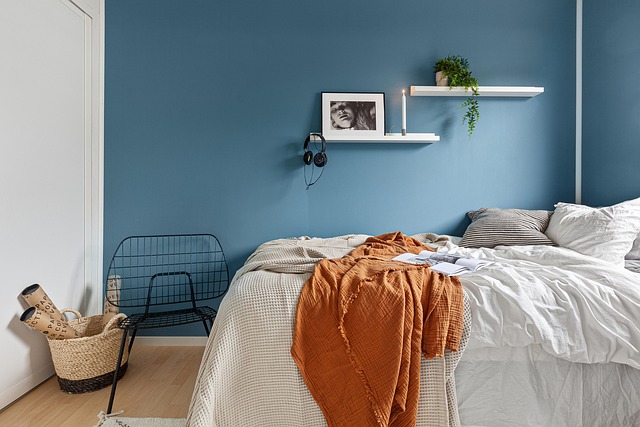
From Visual Aesthetics to Experiential Design
Modern interiors emphasize sensory engagement beyond visual appeal. Instead of focusing solely on color palettes or symmetry, designers explore how light warmth, acoustic softness, and spatial rhythm affect mood. The focus has shifted toward how spaces influence comfort and behavior, turning design into an emotional medium rather than a static display. Emotional resonance is integrated into spatial planning through textures that invite touch and lighting that mimics natural cycles.
The Role of Minimalism and Material Honesty
Minimalism has matured from aesthetic restraint into a study of material truth. It highlights texture, light, and authenticity over ornamentation. Natural materials such as stone, wood, and clay enhance tactile experience by grounding occupants in reality. Transparency in material use—such as unfinished oak or exposed concrete—creates calmness through honesty. This approach aligns with biophilic design principles recognized by ISO environmental architecture standards for promoting psychological well-being through natural integration.
Spatial Psychology and the Human Experience of Interiors
Designers increasingly collaborate with psychologists to decode how spatial flow affects human emotion. Every passageway or threshold now serves as a behavioral cue rather than mere circulation space.
How Spatial Flow Shapes Emotional Response
Open layouts foster psychological freedom and social connection by dissolving barriers between zones. Transitional areas between private and public spaces create balance; a semi-open study beside a living room can offer solitude without isolation. Movement through space is carefully designed to evoke calmness or stimulation depending on function—soft curves in hallways encourage relaxation while linear arrangements in workspaces promote focus.
Light, Sound, and Scent as Emotional Modulators
Light has become both tool and therapy. Dynamic lighting systems adjust intensity according to circadian rhythms, supporting mental clarity during day hours and melatonin production at night—a practice validated by IEEE standards for human-centric lighting systems. Acoustic zoning reduces cognitive fatigue in multifunctional homes where work blends with leisure. Subtle scent diffusion adds another layer: lavender for rest zones or citrus for kitchens enhances spatial memory and mood regulation.
Technology’s Integration into Experiential Decor
Technology is no longer hidden behind walls; it breathes within them. Smart environments now interpret human presence like silent collaborators in comfort creation.
Smart Environments That Adapt to Human Behavior
AI-driven systems personalize temperature, lighting, and ambience in real time using behavioral data gathered from sensors embedded across rooms. These sensors track occupancy patterns to maintain thermal balance efficiently while minimizing energy waste—a principle aligned with IEA smart building efficiency frameworks. Responsive furniture adjusts ergonomically based on user posture or activity; chairs tilt subtly during long sitting periods to reduce strain without conscious adjustment.
Digital Art and Immersive Installations in Domestic Spaces
Projection mapping transforms blank walls into storytelling surfaces where digital art shifts throughout the day—morning calm scenes evolve into evening meditations. Digital canvases let homeowners curate evolving art collections without physical storage concerns. Augmented reality tools assist designers in testing aesthetic hypotheses before implementation; clients can walk virtually through proposed interiors to sense proportion before construction begins.
The Influence of Cultural Narratives on Modern Home Decor Trends in 2026
The global exchange of ideas has blurred boundaries between regional aesthetics while reviving local craftsmanship as an anchor of authenticity.
Globalization and the Fusion of Design Languages
Cross-cultural aesthetics blend Scandinavian restraint with Japanese wabi-sabi principles—a quiet harmony between precision and imperfection. Local craftsmanship gains renewed importance amid global homogenization debates; handmade ceramics or woven textiles restore individuality within algorithm-driven design markets. Hybrid styles reflect a collective desire for identity within interconnected societies where cultural borrowing becomes celebration rather than imitation.
Sustainability as an Experiential Value System
Sustainability has moved from ethical checkbox to experiential value system. Eco-conscious materials are appreciated not only for their low carbon footprint but also for their sensory warmth—the texture of reclaimed wood tells a story richer than any veneer could replicate. Circular design practices promote emotional durability: spaces that age gracefully rather than demand replacement mirror human growth itself. Biophilic elements like indoor gardens reinforce the link between psychology and natural systems documented by IRENA studies on indoor environmental quality.
The Future of Spatial Experience in Home Design Beyond 2026
Looking forward, homes will evolve into emotionally intelligent habitats capable of responding empathetically to inhabitants’ needs instead of merely automating routines.
Emotional Intelligence as a Design Metric
Designers increasingly measure success by emotional impact rather than visual coherence alone. Data from wearable devices may inform future personalization models—heart rate variability could guide ambient adjustments for stress reduction. Homes will operate as adaptive ecosystems where architecture interprets emotion much like music translates feeling into sound waves.
Redefining Luxury Through Sensory Depth Rather Than Excess
Luxury no longer equates to abundance but serenity. Interiors prioritize tactility, air movement, scent layering, and narrative continuity over gilded surfaces or volume excesses. The value lies in curated experiences—how morning light slides across linen curtains or how polished stone cools under bare feet after sunset meditation sessions. This evolution signals maturity: modern home decor becomes lived philosophy rather than transient fashion.
FAQ
Q1: What defines modern home decor trends in 2026?
A: It centers on experiential design where emotional comfort outweighs visual extravagance; materials, light, scent, and technology interact seamlessly to shape mood.
Q2: How does minimalism contribute to sensory engagement?
A: Minimalism strips away distraction so textures, temperature shifts, and acoustic qualities become more noticeable—enhancing presence within space.
Q3: Why is technology important in experiential interiors?
A: Smart systems interpret user habits to tailor ambience dynamically; they transform static rooms into responsive environments that feel intuitive rather than mechanical.
Q4: What role does sustainability play in this movement?
A: Sustainable materials embody ethical resonance while offering tactile richness; they align ecological responsibility with emotional satisfaction through long-lasting beauty.
Q5: How might future homes evolve beyond 2026?
A: They’ll integrate emotional intelligence using biometric feedback loops so architecture reacts empathetically—turning houses into companions that nurture well-being every day.