
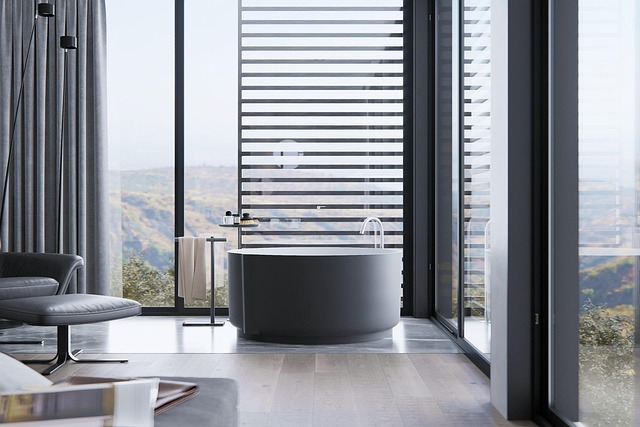
How Does House Interior Design Capture the Essence of a Breezy Sydney Home
Inside a Breezy Sydney Home Infused with the Warmth of Southern Spain
Sydney’s coastal homes have evolved into living studies of light, texture, and air. The best examples merge Mediterranean warmth with Australian pragmatism, crafting interiors that breathe. This synthesis is not about imitation but translation—adapting southern Spain’s tactile charm to Sydney’s luminous climate. The result is a house interior design language that feels both grounded and weightless, where architecture becomes an instrument for comfort, emotion, and cultural resonance.
Defining the Essence of a Breezy Sydney Home
The essence of a breezy Sydney home lies in its ability to respond to both climate and lifestyle. Architecture acts less as enclosure and more as mediator between wind, light, and daily rhythm.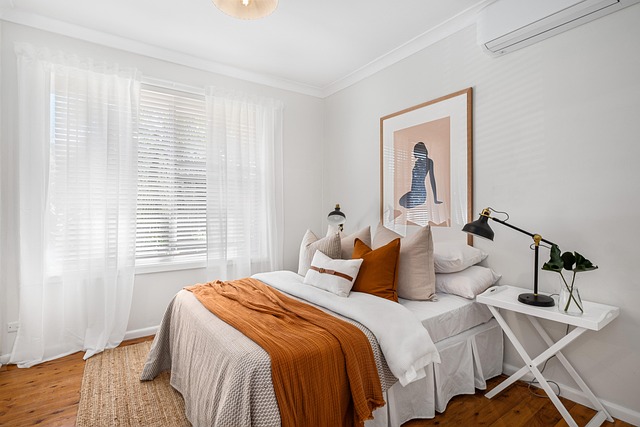
The Interplay Between Architecture and Climate
Sydney’s coastal conditions shape how homes are planned and built. Sea breezes dictate orientation; humidity influences material choice. Open-plan layouts invite movement of air, while cross-ventilation reduces dependence on cooling systems. Architects often blur boundaries between indoors and outdoors—sliding panels open entire walls to gardens or courtyards. In such homes, verandas act as lungs rather than appendages.
The Emotional Character of “Breeziness” in Interior Design
Breeziness is not merely physical airflow; it’s a mood created by proportion and restraint. Light filters through linen curtains, softening edges and expanding perception. Spaces feel calm because they are visually uncluttered yet texturally rich. A sense of openness invites psychological ease—rooms seem to exhale rather than contain.
Integrating the Warmth of Southern Spain into Sydney Interiors
To merge two climates successfully requires sensitivity to both their differences and shared spirit. The Mediterranean offers lessons in warmth through material honesty and human scale—qualities that resonate deeply with Sydney’s relaxed coastal ethos.
Translating Mediterranean Warmth into a Coastal Context
In Sydney, earthy tones drawn from Andalusian villages—terracotta, sand, olive—find new expression under sharper light. Limewashed walls reflect brightness without glare; timber ceilings soften acoustics against ocean winds. Courtyard-inspired layouts regulate temperature naturally while maintaining visual continuity across spaces.
Materiality as Cultural Expression
Material selection becomes storytelling. Hand-troweled plaster carries the irregularity of touch; reclaimed timber beams recall both Spanish farmhouses and Australian beach shacks. Locally sourced stone or clay tiles reinterpret Mediterranean textures through regional craftsmanship. The dialogue between rustic imperfection and refined joinery defines authenticity more than ornamentation ever could.
Spatial Composition and Flow in Breezy Sydney Homes
Spatial organization determines how air circulates and how people move—a principle rooted equally in physics and psychology.
The Role of Open Plan Configurations
Sequential spaces allow daylight to travel freely from one end to another. This continuity encourages natural airflow while linking social zones visually to gardens or water views. Structural simplicity supports flexible furniture placement, letting rooms evolve with use rather than remain fixed.
Thresholds Between Indoors and Outdoors
Transition areas like pergolas or shaded decks act as climatic buffers against intense sun or sudden rain. Sliding glass panels dissolve boundaries when open yet provide insulation when closed. Landscape design reinforces this flow: native grasses sway near sandstone paths, blurring where architecture ends.
Light, Color, and Texture as Design Instruments
Light defines atmosphere more than any decorative element could. In coastal environments like Sydney, managing brightness becomes both technical challenge and artistic opportunity.
Harnessing Natural Light for Spatial Balance
Orientation planning maximizes northern exposure while protecting interiors from harsh western glare through adjustable louvers or deep eaves. Diffused daylight reveals surface textures—limewash grain, timber knots—without overwhelming them. As shadows shift across the day, rooms gain rhythm akin to breathing.
Chromatic Strategies for Evoking Warmth and Airiness
A restrained palette anchors serenity: muted whites balance sandy neutrals; terracotta adds gentle warmth without heaviness. Occasional accents in cobalt or olive evoke Mediterranean motifs subtly within modern frameworks. Tonal layering across fabrics and finishes keeps transitions fluid from room to room.
Furniture, Craftsmanship, and Detailing in Contextual Design
Furniture selection completes the architectural narrative by reinforcing spatial clarity while adding human intimacy.
Curating Furniture that Reflects Place Identity
Lightweight pieces maintain flexibility for rearrangement around changing breezes or gatherings. Curved forms echo coastline contours yet remain ergonomically precise for daily use. Built-in joinery integrates storage seamlessly into walls so that space feels unbroken.
The Role of Artisanal Detailing in Creating Authenticity
Handwoven textiles introduce tactile depth reminiscent of southern European weaving traditions but adapted with Australian fibers like wool-linen blends. Bespoke metalwork or ceramic lighting fixtures act as quiet cultural references rather than overt statements. Even door handles tell part of the story through patina earned over time.
Sustainability as an Underlying Principle of Breezy Living
True breeziness extends beyond aesthetics—it reflects environmental intelligence rooted in passive design principles long practiced in warm climates worldwide.
Passive Design Strategies for Thermal Comfort
Cross ventilation remains essential: aligned openings draw air naturally through interiors without mechanical aid. Shading devices such as pergolas reduce solar gain while preserving outdoor connection. Materials with thermal mass—like concrete floors or brick walls—store heat by day and release it at night for stable comfort year-round.
Local Sourcing and Environmental Sensitivity in Material Choice
Using regional timbers shortens supply chains and supports local artisanship while reducing embodied carbon emissions noted by ISO 14067 standards on carbon footprint measurement (ISO). Recycled materials such as reclaimed brick express ecological responsibility while adding visual texture consistent with handcrafted aesthetics. Sustainable landscaping enhances microclimate performance by cooling surrounding air through evapotranspiration processes recognized by IEA urban energy studies (IEA).
The Contemporary Interpretation of Coastal Serenity in Sydney Homes
The modern coastal home no longer imitates traditional forms but interprets serenity through balance—between minimalism’s clarity and culture’s warmth.
Balancing Minimalism with Cultural Warmth
Minimalist frameworks provide calm backdrops where texture can speak softly yet distinctly: woven baskets beside smooth plaster walls; linen sofas under timber rafters catching afternoon light. Mediterranean influence tempers modernist austerity with imperfection that feels lived-in rather than staged—a quality increasingly valued among designers seeking emotional durability over trend-driven polish.
Future Directions in Designing for Place-Specific Atmospheres
As climate patterns shift along Australia’s coastlines, adaptive architecture will grow vital—from adjustable shading systems responsive to solar data to digital fabrication enabling precision-crafted organic forms at scale per emerging IEC building performance standards (IEC). This dialogue between global inspiration and local identity continues shaping Sydney’s evolving interior landscape—a living conversation between breeze, craft, and culture.
FAQ
Q1: What defines a breezy Sydney home?
A: It combines open spatial planning with natural ventilation strategies suited to coastal conditions while maintaining visual connection between interior rooms and outdoor landscapes.
Q2: How can southern Spanish design elements fit within Australian architecture?
A: By translating materials like terracotta or limewash into locally sourced equivalents that respond better to Sydney’s humidity yet preserve Mediterranean tactility.
Q3: Why is cross-ventilation critical in house interior design?
A: It allows passive cooling by channeling prevailing winds through aligned openings, reducing energy consumption compared with mechanical systems.
Q4: Which color palettes best evoke both warmth and freshness?
A: Neutral whites paired with sandy tones create calmness; accents such as cobalt blue or olive green introduce vibrancy inspired by Mediterranean coasts without overpowering simplicity.
Q5: How does sustainability integrate into breezy home concepts?
A: Through passive thermal control measures, use of low-impact materials verified under ISO environmental standards, and landscaping that improves local microclimates naturally.