

What Does The Inside Furniture Reveal About Architecture As Living Space
Furniture as Architecture: Micro-Modernisms Inside the Home
Furniture and architecture are not separate disciplines but interdependent layers of spatial design. The inside furniture, when conceived as part of the building’s structure, transforms interiors from mere enclosures into living systems. It acts as a mediator between human scale and architectural order, shaping how people inhabit and perceive space. In contemporary practice, this synergy redefines domestic life through adaptability, material ethics, and digital precision. The result is a new kind of micro-modernism—where furniture becomes architecture in miniature and the home evolves as an experimental field for spatial innovation.
The Interrelation Between Furniture and Architectural Space
The dialogue between furniture and architecture has long shaped how interiors function and feel. Rather than treating furnishings as decorative afterthoughts, architects increasingly embed them within spatial logic to reinforce coherence between structure and inhabitation.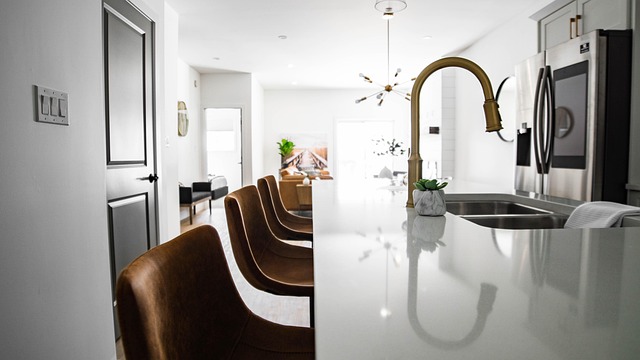
Defining the Concept of “Inside Furniture”
The term “inside furniture” refers to pieces conceived as continuations of walls, floors, or ceilings. In this view, a shelf or bench is not an accessory but an architectural component that defines zones of activity. This approach aligns with modernist ideals where form follows function and every element contributes to spatial unity. Historically, architects like Frank Lloyd Wright blurred these boundaries by designing built-in seating and cabinetry that guided circulation while maintaining visual continuity across rooms.
Architecture as a Framework for Domestic Life
A house operates as a living organism in which structure and furnishing coexist symbiotically. The layout dictates where furniture belongs, but furniture also informs how space is used—whether it encourages gathering or solitude. For instance, an open-plan kitchen with integrated counters merges cooking with social interaction, signaling architecture’s shift from static shelter to dynamic environment. The placement of the inside furniture thus determines how domestic rituals unfold within architectural boundaries.
Furniture as Micro-Architecture
Furniture can be read as architecture in miniature: each piece possesses its own structural logic, proportion, and tectonic clarity. This perspective reveals how design at small scale mirrors the principles governing entire buildings.
The Structural Logic of Interior Objects
Chairs, tables, or wardrobes embody construction principles similar to beams or columns. Their joinery expresses load-bearing relationships; their materials convey tactile honesty. A wooden chair by Alvar Aalto demonstrates this micro-architectural thinking—its laminated curves echo the flexibility of modernist structures while retaining human intimacy. Modular systems further extend this analogy by allowing reconfiguration akin to architectural adaptation.
Integration and Continuity in Modernist Interiors
Modernism pursued seamless transitions between architecture and interior design. Built-in furniture became a tool for defining circulation paths and visual hierarchy within rooms. Le Corbusier’s built-in storage units exemplified efficiency through integration; Charlotte Perriand’s designs balanced rational geometry with comfort. These examples show how interior objects can articulate architectural rhythm while maintaining domestic warmth.
The Domestic Interior as a Site of Experimentation
The home has become a testing ground for new relationships between body, space, and object. Designers use furniture not only to furnish but to choreograph experience—shaping movement, perception, and atmosphere.
Furniture’s Role in Shaping Human Experience
Furniture influences how people move through rooms and engage with surroundings. A low sofa invites relaxation near the floor; a high counter encourages standing conversation. Scale and tactility foster intimacy or distance depending on context. Through such interactions, the inside furniture mediates between physical comfort and psychological orientation within space.
Adaptive Domesticity: Flexibility in Living Environments
Contemporary lifestyles demand flexibility—spaces must transform from workspace to dining area within minutes. Foldable tables, sliding partitions, or modular sofas embody this adaptive ethos. These innovations challenge fixed architectural hierarchies by allowing users to redefine boundaries daily. In dense urban housing especially, mobile furnishings act as extensions of walls that respond to shifting needs rather than permanent layouts.
Cultural Narratives Embedded in Interior Design
Every piece of furniture carries cultural meaning beyond its function. It reflects values about privacy, display, hierarchy, and identity embedded within domestic life.
Symbolism and Identity in Furnished Space
Furniture serves as both artifact and symbol: a dining table represents family unity; a study desk signifies productivity or status. Material choices—oak versus steel—signal cultural aspirations toward tradition or modernity. Within this symbolic framework, architecture provides context while the inside furniture translates abstract ideals into tangible experience.
Regional Interpretations of Interior Architecture
Cultural variations reveal distinct interpretations of integrated interiors: Japanese tokonoma alcoves emphasize emptiness as aesthetic focus; Scandinavian minimalism highlights craftsmanship through simplicity and light wood tones. Local traditions influence how built-in elements are crafted—from tatami platforms to Finnish wall storage—demonstrating that integration between structure and furnishing reflects regional identity even amid globalization’s homogenizing pressures.
Contemporary Perspectives on Furniture–Architecture Synergy
Today’s convergence between digital tools, sustainability concerns, and material innovation renews interest in merging architecture with interior design at every scale.
Digital Fabrication and Parametric Design in Interiors
Computational design allows architects to model continuous surfaces that transition seamlessly from wall to table or stair to shelf. Digital fabrication enables custom production without manual repetition; each component fits precisely within structural geometry. This blurs distinctions between architect and designer roles since both operate through shared parametric logic that unites building shell with internal fittings.
Sustainability and Material Ethics in Domestic Architecture
Sustainability reshapes both architectural practice and furniture design through lifecycle awareness. Designers now prioritize renewable materials like bamboo composites or recycled aluminum panels that maintain strength while reducing waste. Reuse strategies—modular joints enabling disassembly—extend product longevity just as adaptive reuse extends building life cycles. Through such methods, the inside furniture becomes evidence of broader ethical frameworks guiding responsible spatial creation where ecology meets aesthetics.
FAQ
Q1: What defines “the inside furniture” concept?
A: It refers to furnishings conceived as integral parts of architectural structure rather than separate movable objects.
Q2: How does built-in furniture affect spatial perception?
A: It shapes circulation patterns, creates visual continuity across surfaces, and reinforces functional zoning within interiors.
Q3: Why is modernist integration still relevant today?
A: Because it promotes unity between structure and inhabitant experience while supporting minimalist aesthetics suited for compact living spaces.
Q4: How do digital tools change interior design practice?
A: They enable precise fabrication of customized elements that align perfectly with building geometry, merging craft with computation.
Q5: What role does sustainability play in contemporary interiors?
A: Sustainable approaches emphasize renewable materials, adaptability over time, and ethical sourcing linking environmental responsibility with design integrity.