
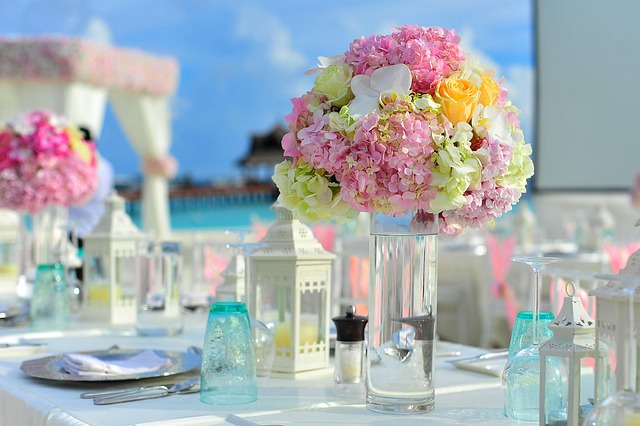
Can A Centerpiece For Table Made From Mason Jars Redefine Dining Décor
How to Transform Mason Jars into a Stunning DIY Dining Table Centerpiece
Mason jars have evolved far beyond their utilitarian roots. In contemporary dining décor, they serve as versatile vessels that merge practicality with artistry. Their clean glass structure and adaptable form make them ideal for both rustic farmhouse tables and modern minimalist spaces. By applying design principles such as proportion, rhythm, and color harmony, these jars can be transformed into a centerpiece for table settings that feels curated rather than improvised. The key lies in balancing visual simplicity with layered textures, using the transparency of glass to play with light and color in subtle yet striking ways.
The Aesthetic Potential of Mason Jars in Modern Dining Décor
The charm of mason jars lies in their quiet adaptability. They carry an aesthetic neutrality that allows designers to experiment across styles—from Scandinavian restraint to vintage-inspired warmth—without losing coherence.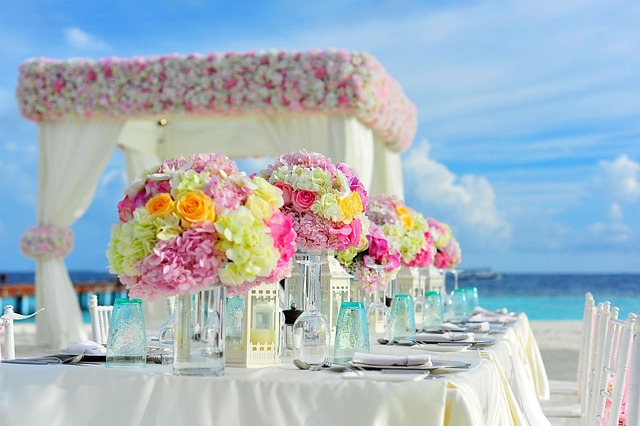
Design Versatility of Mason Jars
Mason jars provide a neutral base that adapts easily to various décor themes. Their transparent surface acts like a blank canvas where color, texture, and light interact dynamically. When filled with florals or candles, they can transition from casual brunch settings to formal dinner tables without appearing out of place. This duality—between rustic charm and refined elegance—makes them indispensable tools for stylists seeking flexible design elements.
Role of Material and Form in Visual Harmony
Glass texture plays an essential role in how light disperses across the table. When ambient lighting hits the curved surface of a jar, it refracts gently, creating depth that enhances the overall mood. The cylindrical symmetry complements linear arrangements on rectangular tables while maintaining visual rhythm. Designers often use multiple jar sizes to introduce vertical variation; this layering technique generates balance without overwhelming the composition.
Conceptual Framework for a Mason Jar Centerpiece
Creating a cohesive centerpiece requires more than simply filling jars—it demands an understanding of spatial relationships, materials, and visual rhythm.
Integrating Design Principles into Table Styling
Scale and proportion are central when aligning mason jar centerpieces with table dimensions. Oversized jars can dominate small tables, while miniature ones may get lost on long banquet setups. Coherence with existing tableware is also crucial; glass should echo or contrast surrounding materials like ceramic plates or metal cutlery in deliberate ways. Using repetition—such as three or five jars evenly spaced—establishes rhythm that draws the eye naturally along the table’s length.
Color Theory and Material Coordination
Color interaction defines mood. Complementary hues—like soft greens paired with blush tones—can reflect seasonal palettes or event themes. Natural materials such as linen runners or wooden boards add tactile contrast against smooth glass surfaces. Transparent jars allow creative freedom: tinted water, colored sand, or even submerged petals can shift the entire tone of a dining setup through controlled chromatic play.
Techniques for Crafting a Mason Jar Centerpiece for Table Settings
When executed thoughtfully, mason jar centerpieces become focal points that enhance both ambiance and function during dining experiences.
Floral Arrangements within Mason Jars
Floral styling remains one of the most popular approaches due to its immediacy and sensory appeal.
Selection of Botanicals Based on Theme and Ambiance
Flowers should mirror the intended atmosphere. For minimalist tablescapes, single-stem blooms like tulips or calla lilies work best; bohemian settings benefit from wildflowers mixed with eucalyptus or dried grasses; classic arrangements might feature roses balanced by leafy greens. Texture variation adds depth—combining succulents with delicate ferns creates visual intrigue without clutter.
Arrangement Strategy for Visual Balance
Height variation is key to avoiding monotony. Staggering stem lengths introduces organic flow while preserving symmetry within each cluster. Grouping jars in odd numbers maintains harmony—a principle long observed in interior styling because it feels more natural to the human eye than even-numbered arrangements.
Incorporating Lighting Elements into the Design
Lighting transforms simple glass into a medium for atmosphere creation.
Candle-Based Illumination Concepts
Floating candles inside water-filled mason jars produce soft reflections ideal for evening gatherings. Tea lights bring intimacy through warm flickers that accentuate textures around them, while pillar candles lend structure suitable for formal occasions where stability matters as much as glow diffusion.
LED and Fairy Light Integration Techniques
Battery-operated LEDs offer flexibility free from open-flame restrictions often imposed at venues. Wrapping fairy lights inside jars adds dimension through subtle sparkle that enhances transparency rather than concealing it. Layering light intensity across multiple jars helps define zones within larger dining setups without needing overhead fixtures.
Functional Enhancements Beyond Decoration
A well-designed centerpiece should complement utility rather than compete with it.
Multi-Purpose Use in Dining Contexts
Mason jars can double as utensil holders during casual events or hold condiments like sauces and dressings at family-style dinners. For personalized touches, name tags tied around jar necks serve dual roles—as seating indicators and decorative accents—bridging aesthetic cohesion with practical organization.
Advanced Styling Considerations for Professional Designers
Professionals view mason jar styling not merely as craft but as spatial composition involving balance between form, light, and context.
Spatial Composition Across Different Table Types
Rectangular tables benefit from linear alignments where repeated jar patterns guide sightlines naturally along their axis. Round tables call for clustered groupings centered around height variation so conversation remains unobstructed while maintaining focal interest at every angle.
Sustainability and Material Reuse in Contemporary Décor Practice
Sustainability has become integral to modern event design philosophies recognized by organizations such as ISO 14001 environmental management standards promoting resource efficiency across industries (ISO). Reusing mason jars aligns perfectly with these eco-conscious goals by reducing waste through repurposing existing materials instead of purchasing new decorative vessels. Many designers now highlight recycled-glass aesthetics as part of broader sustainable narratives embraced by clients seeking authenticity over opulence.
Evaluating the Transformative Impact on Dining Experiences
Beyond aesthetics, handcrafted centerpieces influence emotional perception during shared meals by shaping how guests interact within space.
Psychological Influence of Handcrafted Centerpieces
Handmade objects convey care—a psychological cue associated with warmth and hospitality noted across hospitality design research (Bloomberg Interiors Report 2023). Glass surfaces invite tactile curiosity; their cool texture contrasts warmly lit interiors to stimulate sensory engagement subtly enhancing dining comfort levels without overt signaling.
Redefining Aesthetic Norms Through DIY Innovation
Blending traditional craftsmanship with modern minimalism challenges static décor conventions prevalent in commercial settings. Mason jars exemplify this shift: accessible yet endlessly reinventable through DIY experimentation that encourages individuality over uniformity. Their adaptability keeps them relevant across evolving design trends where personalization increasingly defines luxury experiences around the dining table.
FAQ
Q1: What size mason jars work best for a centerpiece for table?
A: Medium-sized jars around 16 ounces suit most setups—they’re large enough to hold flowers or candles yet compact enough not to obstruct diners’ views.
Q2: How can lighting be safely added inside mason jars?
A: Use battery-powered LED lights instead of real flames when safety regulations restrict open candles; they mimic glow effectively without heat risk.
Q3: Are colored mason jars suitable for formal events?
A: Yes, but moderation matters; tinted glass should complement rather than dominate other color elements on the tablecloth or dishware palette.
Q4: How many mason jars should be used on a six-person dining table?
A: Typically three arranged evenly works well; odd-number groupings maintain visual rhythm better than symmetrical pairs.
Q5: Can mason jar centerpieces align with sustainability goals?
A: Absolutely; reusing existing glassware reduces material consumption aligning closely with sustainable design frameworks endorsed by ISO environmental guidelines.