
Can a Dining Table Centerpiece Made from Mason Jars Elevate Modern Décor
How to Transform Mason Jars Into a Stunning DIY Dining Table Centerpiece
Mason jars have evolved from simple storage containers into design staples that bridge functionality and aesthetics. Their adaptability allows them to shift from rustic farmhouse settings to sleek modern interiors without losing authenticity. When used as the foundation for a dining table centerpiece, these glass vessels deliver both visual harmony and tactile depth. The key lies in proportion, material pairing, and light interplay. By applying design principles grounded in balance and rhythm, one can craft centerpieces that elevate dining experiences while maintaining cohesion with broader décor themes.
The Role of Mason Jars in Contemporary Interior Design
In contemporary interiors, mason jars serve as understated yet expressive design tools. Their transparent forms interact naturally with light, complementing the clean lines and neutral tones often favored in modern spaces.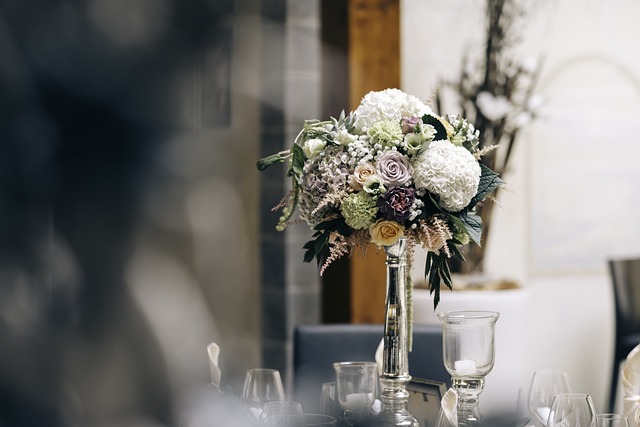
Understanding the Aesthetic Value of Mason Jars
Mason jars embody a blend of rustic charm and minimalist appeal that resonates with both traditional and modern sensibilities. Their clear glass structure works well with diverse color palettes—soft neutrals, earthy tones, or bold contrasts—making them suitable for varied environments. Designers appreciate their versatility: filled with dried flowers, candles, or layered materials, they adapt seamlessly across styles from Scandinavian simplicity to industrial chic.
Integration of Mason Jars in Modern Dining Spaces
In dining areas, mason jars act as connective elements that balance different aesthetic languages such as industrial steel fixtures or reclaimed wood surfaces. Their neutrality allows them to unify contrasting materials on the same table. Whether used for casual brunches or formal dinners, they can hold candles for warmth or greenery for freshness. Designers often use clusters of jars to introduce texture and dimension without overwhelming the setting.
Conceptualizing a Dining Table Centerpiece Using Mason Jars
Creating a cohesive dining table centerpiece requires understanding spatial relationships and visual hierarchy. Mason jars function best when their arrangement respects proportion and rhythm while maintaining harmony with surrounding décor.
Design Principles Behind a Cohesive Centerpiece
A well-balanced centerpiece relies on proportion, symmetry, and rhythm. The number of jars determines focal emphasis—odd numbers tend to produce more dynamic compositions. For example, three jars arranged at varying heights create depth without cluttering space. Color coordination between jar contents, table linens, and dinnerware ensures unity; soft whites paired with green foliage evoke calmness, while amber glass with dark linens adds sophistication.
Material Selection for Elevated Visual Impact
Glass transparency interacts beautifully with ambient light, enhancing spatial perception during meals. Pairing mason jars with wood trays introduces warmth; combining them with metallic bases adds modern refinement. Ceramic accents can soften the look when aiming for an organic feel. Seasonal elements like tulips in spring or pine branches in winter maintain freshness throughout the year.
Techniques for Crafting a Sophisticated Mason Jar Centerpiece
The structural arrangement determines how effectively the centerpiece commands attention while maintaining flow across the table surface.
Structural Arrangement Strategies
Linear Arrangement for Rectangular Tables
For long tables, align mason jars along the centerline to preserve visual continuity. Alternating heights using risers prevents monotony and gives depth. A subtle repetition of pattern—such as alternating candles and florals—creates movement that draws the eye naturally from one end to another.
Clustered Formation for Round Tables
Round tables favor clustered groupings where jars of different sizes form a unified focal point. Odd-numbered clusters (three or five) yield organic asymmetry that feels balanced yet spontaneous—a principle supported by classic design theory emphasizing natural irregularity over rigid order.
Incorporating Lighting Elements for Ambience Enhancement
Light defines mood more than any other factor in dining design; mason jars provide ideal vessels for diffused illumination.
Candle-Based Illumination Techniques
Tealights or pillar candles placed within jars emit warm glows that enhance intimacy during evening meals. Adding sand or pebbles at the base stabilizes candles while introducing texture variation reminiscent of natural landscapes.
LED Integration for Modern Appeal
Battery-operated LEDs bring safety and flexibility without heat emission concerns common to open flames. Adjustable brightness levels allow control over ambience—from soft romantic lighting to brighter tones suited for family gatherings.
Styling Approaches Aligned With Modern Décor Trends
Styling choices determine whether a centerpiece feels cohesive within its environment or competes against it visually.
Minimalist Composition Strategies
Minimalist settings benefit from monochromatic tones using clear or frosted mason jars arranged sparingly along the table’s axis. Limiting embellishments highlights form and negative space—a principle consistent with Japanese wabi-sabi aesthetics emphasizing simplicity through restraint.
Eclectic Fusion Techniques
For more expressive interiors, mixing vintage-style mason jars with metallic trays or geometric coasters adds contrast between old-world charm and contemporary precision. Layering textures such as linen runners beneath marble plates deepens visual interest without sacrificing coherence.
Maintenance and Longevity of Mason Jar Centerpieces
Durability depends on upkeep practices as much as material quality; glass surfaces require attention to preserve clarity over time.
Cleaning and Preservation Practices
Regular cleaning prevents residue buildup from water minerals or wax drips that dull transparency. After washing, drying with lint-free cloths avoids streaks that disrupt reflections under lighting conditions typical of dining spaces.
Adaptability Across Seasons and Occasions
A core advantage of mason jar centerpieces lies in their reusability across seasons. Fresh blooms suit spring events; autumn calls for dried leaves or wheat stems; winter benefits from evergreen sprigs paired with white candles. By retaining structural bases but rotating contents, designers achieve variety without redesigning layouts each season.
Evaluating the Design Impact on Dining Atmosphere
Beyond aesthetics, well-designed centerpieces influence psychological comfort and social engagement around the table.
Psychological Influence of Table Aesthetics
Balanced arrangements promote calmness that encourages conversation flow during meals. Guests perceive thoughtful decoration as hospitality expression—a subtle cue enhancing overall experience quality without overt display.
Contribution to Overall Interior Cohesion
The dining table centerpiece acts as a bridge linking furniture textures with surrounding architectural features such as flooring patterns or wall finishes. Consistency in material language—glass echoing window panes or metal lids mirroring chair frames—creates unity across open-plan living-dining areas often found in contemporary homes.
FAQ
Q1: What size mason jar works best for a dining table centerpiece?
A: Medium-sized jars between 16–32 ounces provide enough volume for flowers or candles without dominating table space.
Q2: How many mason jars should be used on a standard six-person dining table?
A: Three to five jars typically achieve balance while leaving room for serving dishes and plates.
Q3: Can colored mason jars fit into minimalist designs?
A: Yes, but choose muted tints like smoke gray or soft amber instead of bright hues to maintain understated elegance.
Q4: How can lighting be incorporated safely into jar-based designs?
A: Use LED tea lights instead of open-flame candles when safety is a concern; they mimic candlelight effectively without heat risk.
Q5: What materials pair best with glass mason jars on modern tables?
A: Wood adds warmth, metal lends polish, while ceramic introduces softness—all complement glass transparency beautifully when chosen thoughtfully.