
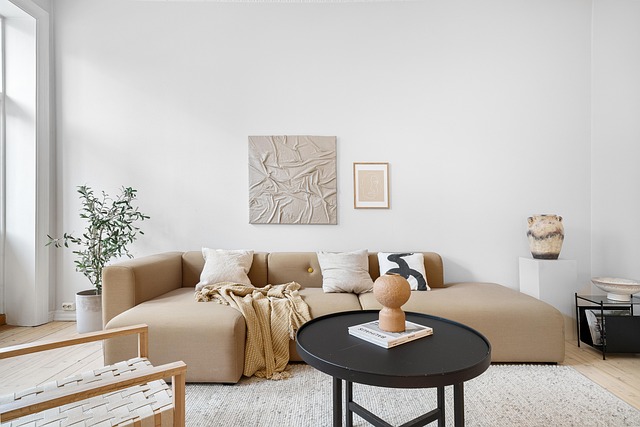
What Makes a Modern Living Room Capture the Essence of Midcentury Design
48 Midcentury Modern Living Room Ideas That Feel As On-Trend As Ever
Midcentury modern design continues to shape the aesthetic of the modern living room, blending timeless craftsmanship with clean geometry and natural warmth. Its enduring relevance lies in how it adapts to new lifestyles while preserving its minimalist ethos. Today’s interpretations merge vintage silhouettes with sustainable materials and smart technologies, proving that simplicity and functionality never go out of style.
The Core Principles of Midcentury Modern Design
The midcentury movement reshaped domestic architecture and interior design by prioritizing clarity, proportion, and purpose. It emerged as a response to industrial progress and the optimism of post-war America.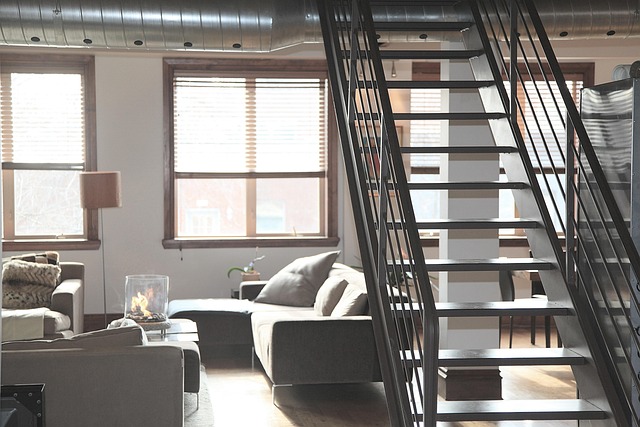
The Historical Context and Evolution of Midcentury Aesthetics
Midcentury design originated in post-war America, where designers sought to democratize good design through mass production. The Bauhaus school’s belief that form should follow function deeply influenced this era, as did Scandinavian minimalism’s focus on craftsmanship and comfort. The shift from ornate detailing to functional simplicity marked a cultural move toward efficiency and clarity—values that still resonate in today’s interiors.
The Defining Characteristics of Midcentury Modern Living Rooms
A midcentury modern living room is defined by its clean lines, organic curves, and open layouts. Furniture often features tapered legs and low profiles that emphasize horizontality. Natural materials like walnut wood, leather, and stone create tactile warmth against sleek surfaces. Geometric motifs appear subtly—perhaps in a rug pattern or lamp base—while color palettes balance earthy neutrals with bold accents such as mustard yellow or teal.
Architectural Elements That Shape a Modern Midcentury Living Room
Architecture plays a foundational role in translating midcentury ideals into spatial experience. Its principles favor openness, light, and an honest expression of structure.
Open Floor Plans and Functional Flow
Open floor plans dissolve barriers between living areas, dining zones, and outdoor extensions. Large windows invite daylight deep into the home, connecting interiors with nature. This spatial fluidity enhances social interaction while maintaining visual calm. When designed well, even modest spaces feel expansive because light becomes part of the architecture itself.
Structural Details That Reflect Midcentury Ideals
Exposed beams, low-slung ceilings, and built-in furnishings define the architectural vocabulary of this style. Designers balanced horizontal planes with vertical accents—think slender columns or tall fireplaces—to create rhythm within simplicity. Sliding glass doors blur boundaries between indoors and outdoors, allowing patios or gardens to act as natural extensions of the living space.
Furniture Selection in the Modern Midcentury Living Room
Furniture selection determines whether a space feels authentic or merely themed. True midcentury design values craftsmanship over ornamentation.
Iconic Furniture Pieces That Define the Era
Designers like Charles and Ray Eames, Eero Saarinen, and Hans Wegner created pieces that remain icons today—the Eames Lounge Chair or Saarinen’s Tulip Table are not just furniture but sculptural art forms. Their designs merge ergonomic comfort with aesthetic clarity. Authenticity lies in material honesty: molded plywood, fiberglass shells, or hand-finished teak express integrity through texture.
Balancing Vintage Originals with Contemporary Interpretations
While original pieces hold historical value, high-quality reproductions allow broader access without compromising style integrity. Mixing classics with updated upholstery or eco-friendly finishes keeps spaces relevant to current lifestyles. The key is restraint—too many statement items can dilute their impact; fewer pieces chosen thoughtfully create harmony instead of clutter.
The Role of Color, Texture, and Material in Capturing Midcentury Spirit
Color theory was central to midcentury interiors because it shaped mood as much as form did.
Color Palettes that Evoke the Period’s Mood
Earthy tones like olive green or warm brown often serve as grounding bases for vibrant accents such as burnt orange or turquoise. Muted hues soften visual transitions between furniture pieces while saturated colors inject energy into focal points like cushions or artwork. Layering tones—say a neutral sofa paired with a bold rug—creates depth without chaos.
Material Combinations that Define Authenticity
Midcentury interiors juxtapose natural textures for contrast: polished wood beside matte metal or clear glass next to woven fabric. Wool rugs add tactile softness underfoot; tweed upholstery introduces subtle patterning without distraction. Today’s designers echo these combinations using sustainable materials such as FSC-certified wood or recycled textiles—modern ethics aligned with classic aesthetics.
Lighting as a Central Feature in Midcentury Modern Living Rooms
Lighting defines atmosphere more than any other element in a modern living room inspired by midcentury ideals.
Functional Illumination Meets Sculptural Expression
Signature fixtures like sputnik chandeliers or arc lamps serve both practical and decorative roles. Their sculptural forms draw attention upward while casting warm ambient light across surfaces. Layering light sources—ambient ceiling lights paired with table lamps for tasks—adds dimension that accentuates furniture silhouettes and architectural geometry alike.
Integrating Natural Light into the Design Narrative
Daylight remains essential to this style’s philosophy of openness. Orientation matters: south-facing windows maximize sunlight during winter months while overhangs mitigate glare in summer. Reflective surfaces such as polished floors amplify brightness naturally without artificial intervention. The interplay between transparency and shadow enriches spatial rhythm throughout the day.
Styling Strategies for a Contemporary Interpretation of Midcentury Design
Adapting midcentury principles for today’s homes means balancing nostalgia with innovation.
Blending Old Aesthetics with Modern Lifestyles
Modern living rooms often serve multiple functions—from entertainment zones to home offices—and midcentury layouts adapt well due to their open nature. Integrating smart technology discreetly within vintage-inspired settings maintains convenience without visual intrusion; think concealed speakers inside wooden cabinetry or wireless charging pads built into side tables.
Accessorizing with Purposeful Minimalism
Accessories should enhance rather than overwhelm composition. Abstract art prints reflecting geometric abstraction fit naturally on plain walls. Plants bring organic vitality—a fiddle-leaf fig beside an armchair softens angular furniture lines. Ceramics or handwoven textiles introduce texture while staying true to handcrafted authenticity central to midcentury ethos.
Maintaining Timelessness Through Adaptability and Design Integrity
The endurance of midcentury modernism lies not only in its look but also its mindset—a belief that beauty arises from clarity and restraint.
Evolving the Midcentury Ethos for Future Interiors
Sustainability now extends that philosophy forward: responsibly sourced woods replace endangered species once common in vintage pieces; LED lighting substitutes energy-hungry bulbs yet preserves warm tone quality. Architects continue exploring modular construction inspired by early prefab experiments from the 1950s—a reminder that innovation was always part of this tradition.
The Enduring Appeal of Simplicity in Contemporary Living Spaces
Minimalism remains aspirational because it allows focus on what matters most: proportion, comfort, light, material honesty. In an age saturated by digital noise, the calm orderliness of a midcentury-inspired modern living room offers quiet sophistication—a timeless refuge shaped by thoughtful design rather than fleeting fashion trends.
FAQ
Q1: What defines an authentic midcentury modern living room?
A: Authenticity comes from architectural simplicity, natural materials like wood or stone, iconic furniture silhouettes, and balanced use of color rather than ornamentation.
Q2: How can small spaces adopt midcentury design effectively?
A: Use multifunctional furniture with clean lines, maintain open sightlines through low seating profiles, and rely on reflective surfaces to amplify light perception.
Q3: Are original midcentury pieces necessary for authenticity?
A: Not necessarily; high-quality reproductions maintain stylistic integrity when chosen carefully alongside genuine craftsmanship details such as joinery or finish quality.
Q4: What lighting suits this style best?
A: Sculptural fixtures like globe pendants or sputnik chandeliers combined with layered task lighting provide both function and form consistent with period aesthetics.
Q5: Why does midcentury design remain popular today?
A: Its timeless balance between simplicity and functionality aligns perfectly with contemporary values emphasizing sustainability, comfort, and uncluttered beauty in daily life.