
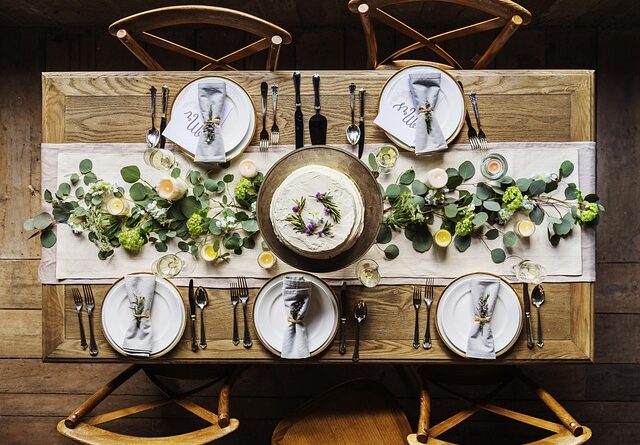
Is Dining Table Decor the Key Reason Round Tables Outshine Rectangular Ones
The Rectangular Table Worked for Years Until We Spotted a Round One and These 20 Ideas Are Why We’ll Never Go Back
For decades, the rectangular dining table dominated homes and hospitality spaces, praised for its structure and order. Yet the modern shift toward warmth, inclusivity, and spatial fluidity has repositioned the round table as the new standard in design philosophy. Its geometry fosters connection, balances interiors, and supports flexible decor strategies that align with current aesthetic values. From visual flow to social dynamics, the circular form now defines what contemporary dining should feel like: equal, open, and effortlessly elegant.
The Design Philosophy Behind Dining Table Shapes
The geometry of a dining surface is never arbitrary—it dictates how people interact with space and each other. Designers today see table shape as a central factor in shaping both atmosphere and movement within a room.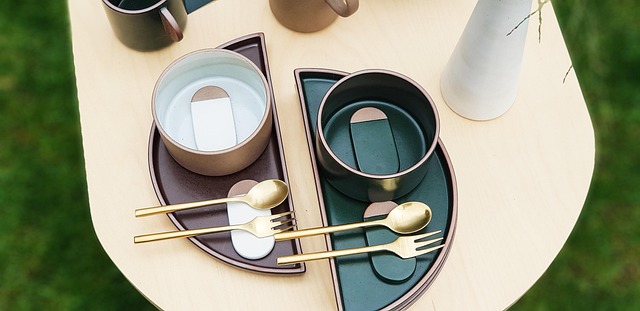
Understanding the Functional and Aesthetic Roles of Table Geometry
Table geometry affects spatial rhythm, conversation flow, and compositional harmony. A round table creates an even visual field where no seat dominates another. This inclusivity enhances dialogue and makes every diner part of a shared circle. Rectangular tables by contrast emphasize directionality; they define hierarchy through head positions and structured seating lines. In minimalist interiors or formal dining rooms, this linearity reinforces order but can limit intimacy.
How Spatial Context Determines Table Choice
Spatial proportion determines whether a round or rectangular form feels natural. In compact apartments or square rooms, circular tables soften edges and create balance against angular walls. They encourage circulation without obstruction. Rectangular tables suit elongated rooms where alignment with architectural axes maintains coherence. The decision often depends on how movement flows around the furniture—round forms invite fluid motion while rectangles assert structure.
The Influence of Dining Table Decor on Perceived Superiority
Decor transforms a plain surface into an expression of taste and hierarchy within design language. Whether minimalist or ornate, arrangement strategy directly influences perception of sophistication in dining spaces.
The Psychological Impact of Symmetry and Centered Decor
Round tables naturally center their decor elements—floral pieces or sculptural bowls—creating equilibrium visible from every seat. This symmetry conveys calmness and unity during meals. Balanced placement avoids distraction while maintaining visual focus at the center point. Because there are no corners to anchor asymmetry, designers rely on proportion rather than direction to achieve aesthetic stability.
How Decor Enhances Functionality and Atmosphere
Effective dining table decor blends beauty with usability. Minimalist settings allow clear sightlines across all seats, supporting interaction without cluttering surfaces. Layering textures—linen runners with ceramic plates or metallic candleholders—adds depth yet preserves simplicity. Lighting above round tables accentuates their symmetry; pendant fixtures centered over the table reinforce harmony between form and illumination.
Comparing Round and Rectangular Tables Through Design Principles
When comparing shapes through design theory, differences extend beyond appearance—they influence how people move, speak, and experience shared meals.
Visual Flow and Spatial Efficiency
Round tables promote organic circulation within tight areas since their continuous edge eliminates sharp turns. Without corners, they reduce visual rigidity and make interiors feel softer. Rectangular forms require deliberate alignment with walls or windows to avoid imbalance; when misaligned they disrupt spatial rhythm. For open-plan layouts seeking cohesion between kitchen and dining zones, circular silhouettes often integrate more seamlessly.
Social Dynamics at the Dining Table
The circular configuration equalizes distance between diners, encouraging inclusive conversation where everyone participates equally. Eye contact becomes effortless because no one sits at an end position. Conversely, rectangular layouts can fragment dialogue—people at opposite ends engage separately while those in the middle mediate between groups. In hospitality design this distinction matters: restaurants favoring communal energy increasingly adopt round formats for enhanced engagement.
Integrating Decor Strategies for Maximum Visual Impact
Decor strategy must correspond to table geometry to achieve cohesive aesthetics without compromising practicality or comfort.
Centerpiece Composition for Round Tables
Balancing Height, Scale, and Texture
On round surfaces, low-profile arrangements preserve visibility across all seats while maintaining proportional elegance. Rotational symmetry ensures that every viewing angle offers equal appeal—a crucial factor in fine dining settings where presentation matters as much as cuisine itself. Organic materials such as greenery or handmade ceramics reinforce natural flow within circular compositions; they echo the soft continuity of the table’s perimeter.
Decorative Zoning on Rectangular Tables
Creating Linear Visual Narratives
Rectangular tables benefit from rhythmic repetition rather than singular focal points. Designers often place smaller clusters—candles or vases—at regular intervals along the axis to maintain balance from end to end. Alternating object types introduces subtle movement guiding guests’ eyes across the length of the surface. Proper spacing prevents overcrowding while keeping proportional integrity relative to table size.
Materiality and Surface Treatments in Dining Table Styling
Material selection influences how decor interacts with light and texture across different geometries.
How Finishes Affect Decor Integration
Matte finishes absorb light softly for understated refinement; glossy coatings reflect illumination adding vibrancy to evening settings. Wood grains harmonize naturally with botanical centerpieces while marble or glass provide contrast suited for modern interiors seeking clarity over warmth. These tactile qualities determine how dining table decor reads under varied lighting conditions—from daylight reflections to candlelit dinners.
Coordinating Tableware with Shape-Specific Layouts
Circular placements align intuitively on round tables reinforcing geometric consistency in setting design; plates radiate outward like spokes maintaining symmetry across all seats. On rectangular surfaces precision becomes critical—consistent spacing preserves orderliness along straight edges ensuring each setting mirrors its opposite side exactly.
The Evolution of Dining Aesthetics Toward Circular Harmony
Design trends reveal shifting cultural values: from rigid formality toward connection-driven experiences that prioritize comfort over convention.
Shifting Consumer Preferences in Interior Styling Trends
The renewed interest in communal dining has driven widespread adoption of round tables across both residential and commercial environments. Their adaptability suits multiple interior languages—from Scandinavian minimalism to mid-century revival—without losing relevance over time. Designers increasingly favor them not only for practicality but also for emotional resonance: they visually express unity within shared space.
Why Round Tables Symbolize Modern Hospitality Ideals
Round tables embody inclusivity, fluidity, and balance—the very principles shaping contemporary hospitality design today. Their simplicity allows decor choices that highlight human interaction instead of object display; conversation becomes centerpiece rather than ornamentation. This shift marks an evolution from functional furniture toward experiential design where geometry supports empathy as much as aesthetics.
FAQ
Q1: Why are round dining tables becoming more popular?
A: They foster inclusivity by eliminating hierarchical seating positions while promoting better conversation flow in both homes and restaurants.
Q2: What type of room suits a rectangular dining table best?
A: Elongated rooms or narrow spaces benefit most since rectangular forms align naturally with architectural lines creating balanced proportion throughout the layout.
Q3: How can lighting enhance dining table decor?
A: Pendant fixtures centered above round tables emphasize symmetry whereas linear chandeliers complement rectangular shapes by following their directional axis.
Q4: Which materials pair well with modern dining table styling?
A: Natural woods bring warmth; glass or stone offer sleek contrast ideal for contemporary interiors emphasizing clean surfaces.
Q5: What’s the key difference between decorating round versus rectangular tables?
A: Round designs rely on centralized focal points maintaining equilibrium from all angles; rectangular ones use distributed accents along their length to sustain rhythm without crowding.