
What Makes Mid Century Modern Living Room Furniture a Timeless Choice
48 Midcentury Modern Living Room Ideas That Feel As On-Trend As Ever
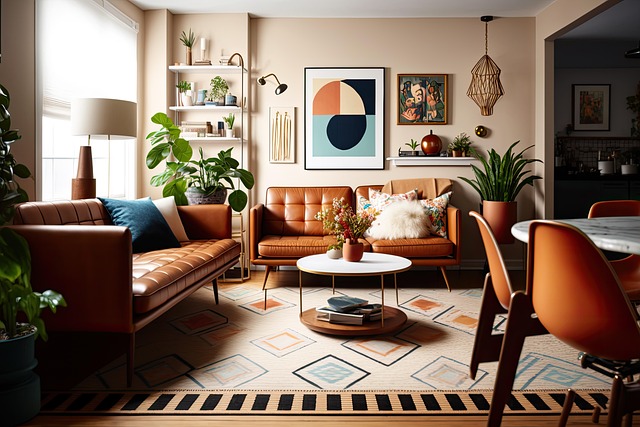
Mid century modern living room furniture continues to captivate designers and homeowners for its timeless balance of simplicity, warmth, and functionality. The style’s enduring charm lies in its ability to merge organic forms with clean geometry, creating interiors that feel both nostalgic and contemporary. Even decades after its post-war emergence, mid century modern design remains a benchmark for functional beauty—an aesthetic that resists obsolescence while adapting seamlessly to modern lifestyles.
The Enduring Appeal of Mid Century Modern Living Room Furniture
The fascination with mid century modern living room furniture has never waned because it represents more than a visual style—it embodies a philosophy of living that values clarity, craftsmanship, and comfort. In an era saturated with fleeting trends, its authenticity offers a sense of calm continuity.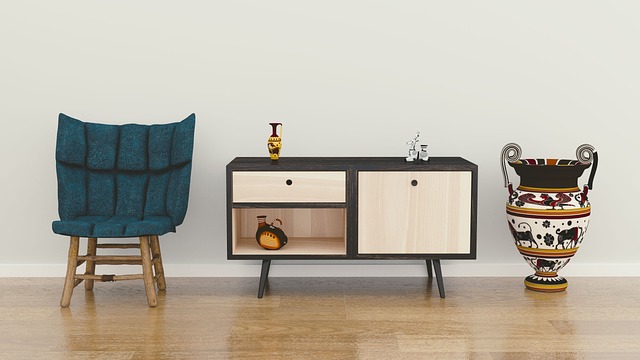
Defining the Mid Century Modern Aesthetic
At its core, mid century modern design celebrates clean lines, organic shapes, and honest materials. The furniture is often characterized by smooth wooden frames, tapered legs, and silhouettes that emphasize horizontal flow. Designers like Charles and Ray Eames or Florence Knoll championed this approach by fusing natural textures such as teak or walnut with industrial materials like steel and glass. This blend created interiors that felt both human-centered and forward-looking. Although rooted in the 1940s–1960s design revolution, the aesthetic has evolved to complement today’s open-plan homes without losing its distinctive identity.
Why the Style Remains Relevant Today
The continued relevance of mid century modern living room furniture comes from its practicality. Its minimalist ethos aligns perfectly with contemporary architecture that favors open layouts and uncluttered surfaces. The furniture’s proportions encourage visual lightness, making small spaces appear larger while maintaining comfort. Moreover, the timeless quality of its design language transcends short-lived décor movements; it feels equally at home in a vintage apartment or a newly built loft.
Core Design Principles That Define Mid Century Modern Furniture
Every piece within this design tradition follows a disciplined framework where form serves function yet still evokes emotional warmth. These principles are not rigid rules but rather guiding ideas that allow flexibility across time and context.
Simplicity and Functionality in Form
Mid century designers believed beauty should arise from purpose. Furniture was stripped of unnecessary ornamentation but never stripped of character. A walnut credenza with recessed handles or a low-profile sofa with tufted upholstery illustrates this philosophy—each element intentional, nothing excessive. This simplicity fosters an airy environment where space feels open rather than crowded.
The Role of Materials in Creating Authenticity
Authentic mid century modern pieces rely on material honesty. Teak, walnut, and oak bring tactile richness; metals like chrome or brass introduce contrast; glass adds transparency that enhances spatial flow. Leather upholstery adds durability while softening the overall look. Skilled craftsmanship ensures these materials age gracefully rather than deteriorate—a reason original pieces remain highly collectible today.
The Importance of Proportion and Balance
Proportion defines harmony in mid century interiors. Designers balanced geometric precision with organic curves to create visual equilibrium. For instance, pairing an angular coffee table with a rounded armchair prevents rigidity while maintaining coherence across the room. This attention to proportion allows each piece to contribute meaningfully without overpowering others.
Iconic Elements That Define Mid Century Modern Living Rooms
A well-curated mid century living room feels cohesive because each element—from seating to lighting—shares a unified vocabulary of form and function.
Signature Furniture Pieces That Shape the Style
Before diving into specific items, it’s worth noting that iconic pieces are not just decorative; they embody innovation born from material experimentation and ergonomic research.
The Sofa as a Central Design Anchor
The sofa often acts as the visual anchor of the space. Typically low-slung with linear silhouettes, it emphasizes openness rather than bulk. Neutral fabrics like beige or gray highlight structure over pattern while allowing natural wood tones to stand out around them.
Accent Chairs as Sculptural Statements
Accent chairs serve dual roles: practical seating and sculptural art objects. Classics such as Eames lounge chairs or Saarinen womb chairs demonstrate how ergonomics can coexist with elegance. Their presence introduces rhythm within an otherwise orderly layout.
Coffee Tables as Functional Artifacts
Coffee tables epitomize functional artistry in mid century settings. Whether crafted from bent plywood or tempered glass resting on sculpted bases, they invite interaction through thoughtful scale and placement—bridging conversation zones without obstructing sightlines.
Lighting as a Design Language
Lighting in this style is never purely utilitarian; it communicates architectural intent. Arched floor lamps or pendant fixtures often feature brass accents or matte finishes that add subtle sophistication. Beyond illumination, these fixtures frame movement within the room while reinforcing spatial harmony between ceiling height and furniture placement.
Integrating Mid Century Modern Furniture into Contemporary Interiors
Blending vintage authenticity with present-day sensibilities requires restraint and sensitivity to proportion rather than strict historical replication.
Blending Vintage Authenticity with Modern Contexts
Combining original pieces with contemporary reproductions creates layered depth within interiors. A restored Danish sideboard beside a new modular sofa demonstrates continuity between eras without forcing nostalgia. Contrasting these forms against minimalist architecture adds tension that keeps spaces visually engaging rather than overly curated.
Color Palettes That Complement the Style’s Essence
Color plays an understated yet crucial role in defining mood within mid century modern living rooms.
Earthy Neutrals and Natural Hues
Warm neutrals such as cream, tan, or olive echo natural materials used throughout the style—particularly wood grains—and provide cohesion across diverse textures.
Strategic Use of Bold Accents
Strategic pops of mustard yellow or teal recall retro vibrancy while maintaining balance when used sparingly through cushions or artwork rather than large surfaces.
Spatial Planning for Functional Elegance
Open layouts are essential for showcasing each piece’s silhouette without cluttering sightlines. Modular arrangements enable flexibility for evolving needs—whether hosting guests or adapting work-from-home setups—while preserving aesthetic integrity through consistent scale relationships among furnishings.
The Cultural Legacy and Continued Influence of Mid Century Modern Design
Mid century modernism was more than an aesthetic reaction; it was a social movement reflecting optimism about progress through accessible design for everyday life.
How Post-War Innovation Shaped Design Philosophy
Post-war designers sought democratic beauty—furniture affordable yet refined enough for mass households seeking renewal after austerity years. Their creations symbolized optimism through simplicity rather than luxury excesses typical before World War II.
The Revival Through Contemporary Media and Design Movements
Television series set in mid-century periods reignited global fascination with this style by spotlighting its sleek interiors on screen. Digital design platforms further amplified exposure by showcasing how classic silhouettes integrate naturally into smart homes or urban apartments today.
Sustainability Through Longevity and Relevance
Sustainability is embedded within this movement’s DNA: well-made furniture resists obsolescence both structurally and aesthetically. Restoring vintage pieces instead of replacing them reduces waste generation—a principle aligned closely with current sustainability goals outlined by organizations such as IEA promoting resource efficiency in consumer goods sectors worldwide.
FAQ
Q1: What makes mid century modern living room furniture different from other styles?
A: It combines clean lines with organic shapes using natural materials like wood alongside metal or glass accents to achieve balance between warmth and innovation.
Q2: Can mid century pieces fit into small apartments?
A: Yes, their streamlined forms maximize space efficiency while maintaining comfort due to low profiles and minimal ornamentation.
Q3: Are authentic vintage pieces necessary for achieving this look?
A: Not necessarily; high-quality reproductions can capture the same proportions and materials when originals are unavailable or costly.
Q4: Which colors best complement mid century décor?
A: Earthy neutrals paired with selective bold accents such as mustard yellow or teal maintain harmony without overwhelming subtle wood tones.
Q5: How does this style support sustainable living?
A: Its emphasis on durable craftsmanship encourages restoration over replacement, extending product life cycles consistent with circular economy principles endorsed by sustainability experts globally.