
Can A Decorative Chair Instantly Redefine Your Living Room Design Vision
16 Living Room Accent Chair Ideas Designers Reach For When They Want to Change a Room Fast
A decorative chair can shift the entire mood of a living room faster than any other single piece of furniture. Interior designers often reach for accent seating when they want to redefine proportion, add contrast, or inject personality without structural change. The right chair becomes more than a seat—it’s a sculptural statement that balances form and function. By manipulating color, texture, and placement, professionals use these pieces to create visual rhythm and emotional resonance within any space.
The Transformative Power of a Decorative Chair in Living Room Design
Accent seating has long served as both a design tool and an expressive medium. Whether the goal is to ground an airy layout or break monotony with texture, the decorative chair remains central to spatial storytelling.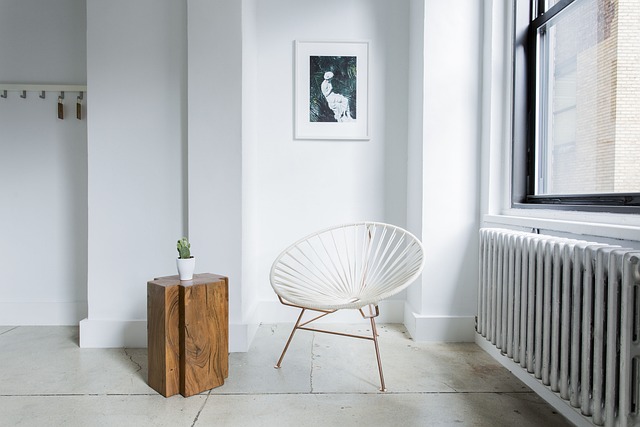
Understanding the Role of Accent Seating in Spatial Composition
A decorative chair acts as a visual anchor that can redefine the balance and flow of a living room. Designers often introduce accent seating to build contrast between soft and hard materials or to echo architectural lines. When placed thoughtfully—perhaps near a fireplace or window—it can redirect attention and establish new focal points without altering walls or lighting plans. This flexibility allows designers to experiment with rhythm, layering, and hierarchy in ways that large furniture pieces cannot easily achieve.
How Decorative Chairs Influence Perceived Space and Function
The silhouette of a decorative chair influences how open or intimate a space feels. A low-slung lounge chair expands sightlines, while high-back models create enclosure and comfort. Sculptural forms upholstered in bold fabric draw immediate attention, giving structure to otherwise neutral settings. Beyond aesthetics, chairs serve functional versatility: swivel bases encourage conversation flow, while compact slipper chairs preserve circulation paths in tight rooms.
Design Principles Behind Choosing the Right Decorative Chair
Selecting an accent chair involves more than matching colors; it’s about orchestrating proportion, materiality, and emotional tone so each element supports the room’s story.
Color Theory and Material Harmony
Color choices set the emotional register of a living room. Complementary hues—like teal against rust—energize; analogous tones calm. Materials deepen this dialogue: pairing boucle with walnut introduces tactile warmth; combining metal frames with linen upholstery lightens density. Designers often rely on chairs to connect disparate palettes across zones, bridging cool-toned sofas with warm rugs through transitional shades or finishes.
Proportion, Scale, and Visual Weight
Every decorative chair must negotiate its relationship with surrounding furniture. If it’s too large, it dominates; too small, it disappears. In expansive rooms, oversized chairs provide grounding mass that balances scale. In compact apartments, slender silhouettes maintain openness while still offering presence. Visual weight also matters—dark leather reads heavier than pale rattan even at equal size—so designers manipulate saturation and form to fine-tune equilibrium.
Designer Strategies for Using Accent Chairs as Focal Points
Transforming a living room rarely requires new architecture; instead, designers choreograph visual tension through form and placement.
Creating Contrast Through Form and Texture
Contrast gives life to interiors. Pairing curved chairs beside rectilinear sofas introduces movement; juxtaposing velvet upholstery against matte stone floors heightens sensory depth. Textural interplay between soft fabrics and hard surfaces creates layered compositions that invite touch and curiosity. Designers often use these contrasts deliberately to guide the eye through space much like rhythm in music directs listening.
Placement Techniques That Redefine Flow
Placement determines narrative direction within a room. Positioning chairs near architectural features—arches, fireplaces, bay windows—emphasizes geometry already present in the structure. Asymmetrical arrangements generate subtle motion without chaos; two mismatched chairs angled toward each other suggest intimacy amid openness. Rotational placement works especially well in open-plan layouts where conversation zones must coexist with traffic flow.
Exploring Styles of Decorative Chairs That Transform Living Rooms
Style selection reflects both aesthetic preference and spatial logic. From classic silhouettes reimagined for modern contexts to modular innovations built for flexibility, each typology carries distinct design intent.
Classic Silhouettes Reinterpreted for Modern Interiors
Wingback and barrel chairs remain timeless because their proportions flatter most spaces. Today’s versions trade heavy brocade for linen blends or performance fabrics that feel lighter yet retain sculptural grace. Transitional designs bridge eras—combining traditional joinery with minimalist lines—to harmonize old architecture with contemporary art collections or lighting schemes.
Sculptural and Statement Seating Forms
Sculptural chairs blur boundaries between furniture and art. Organic shapes carved from molded plywood or resin can stand alone as focal objects within minimalist rooms where every curve counts. Statement pieces like these often define personality through silhouette alone; they speak louder than color could ever manage.
Modular and Adaptable Accent Chairs for Dynamic Spaces
Modern living demands flexibility. Modular chairs allow reconfiguration as needs evolve—from reading nooks by day to expanded seating for guests at night. Lightweight frames simplify repositioning when sunlight shifts or gatherings grow larger. These adaptable designs make decorative chairs not just beautiful but responsive components of daily life.
Integrating Decorative Chairs into Broader Design Narratives
A single piece never exists in isolation; its success depends on how it interacts with light, art, textiles, and emotional tone across the entire environment.
Coordination with Lighting, Art, and Textiles
Directional lighting can dramatize textures on boucle or leather upholstery while emphasizing craftsmanship details like stitching or joinery. Aligning artwork behind an accent chair creates compositional harmony that ties wall decor into spatial arrangement. Layered textiles—throws over armrests or patterned cushions echoing rug motifs—reinforce chromatic unity across adjacent zones.
Enhancing Emotional Resonance Through Design Cohesion
Every living room conveys emotion: serenity through muted tones and soft curves; vibrancy through saturated hues and angular geometry; sophistication through symmetry and restraint. A decorative chair embodies these moods physically—it’s where comfort meets expression. Consistency across finishes ensures that no element feels foreign within the broader story being told by flooring, lighting temperature, or architectural detailing.
Evaluating Impact: When a Single Piece Changes the Entire Room Dynamic
The true power of an accent chair lies in transformation achieved without demolition—a recalibration rather than reconstruction.
Visual Transformation Without Structural Alteration
Introducing one distinctive decorative chair can shift perception instantly: what once felt static gains rhythm; what felt cold gains warmth through texture or tone contrast. Such interventions cost far less than remodeling yet deliver comparable impact by altering how space is read visually.
Longevity and Timelessness in Accent Furniture Selection
Designers favor investment-grade pieces crafted from enduring materials like solid oak or top-grain leather because they age gracefully alongside evolving interiors. Timeless forms resist trend fatigue while sustainable sourcing supports responsible practice—a growing priority across professional design circles worldwide.
FAQ
Q1: How many decorative chairs should be used in one living room?
A: Typically one or two are enough; more risks clutter unless balanced by open floor area or minimal surrounding furniture.
Q2: What fabrics are most durable for high-traffic areas?
A: Performance textiles such as solution-dyed acrylics or tightly woven linen blends resist fading and abrasion better than delicate velvets.
Q3: Can mismatched accent chairs work together?
A: Yes if they share at least one unifying element like color temperature, leg finish, or proportion—they need harmony not uniformity.
Q4: Where should lighting be positioned relative to an accent chair?
A: Ideally beside or slightly behind it so illumination highlights texture without casting harsh shadows on seating surfaces.
Q5: What defines a timeless decorative chair style?
A: Balanced proportions, honest materials, and craftsmanship detail that transcends seasonal trends make any design endure beyond fashion cycles.