
Are Barndominium Home Plans Redefining Modern Architecture in Australia
Barndominiums: The American-Inspired Housing Trend Coming to Australia
Barndominiums are reshaping the Australian housing narrative, merging rural practicality with contemporary design ideals. Originally conceived in the United States as cost-effective conversions of barns into livable spaces, they now represent an architectural hybrid that balances industrial efficiency and domestic warmth. In Australia, this trend aligns seamlessly with local preferences for open-plan living, sustainability, and affordability. Architects and developers are exploring barndominium home plans not as novelties but as viable long-term housing solutions adaptable to diverse climates and lifestyles.
The Emergence of Barndominiums in the Australian Architectural Landscape
As urban expansion meets rural land availability, Australia’s architectural community is increasingly drawn to the versatility of barndominiums. Their rise signals a shift from traditional suburban typologies toward flexible, adaptive structures that reflect both lifestyle aspirations and environmental awareness.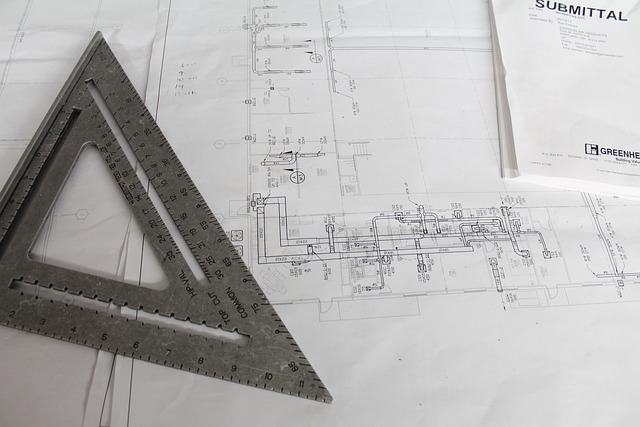
Definition and Origin of Barndominiums in the United States
The term “barndominium” was coined in the late 1980s in Texas to describe barn-style buildings repurposed or newly constructed for residential use. These hybrid dwellings combined agricultural functionality with modern comforts, often featuring large open interiors framed by steel or timber. Their popularity grew among homeowners seeking affordable yet spacious alternatives to conventional houses.
How the Concept Blends Utility Structures with Residential Comfort
Barndominiums bridge two worlds: the utilitarian efficiency of barns and the refined comfort of homes. Their layouts typically integrate workshop or storage zones with living quarters under one roof. This duality appeals to those valuing practicality without sacrificing aesthetics—a principle well-suited to Australia’s regional landscapes where multi-purpose spaces enhance daily living.
Key Architectural Elements Distinguishing Barndominiums from Conventional Homes
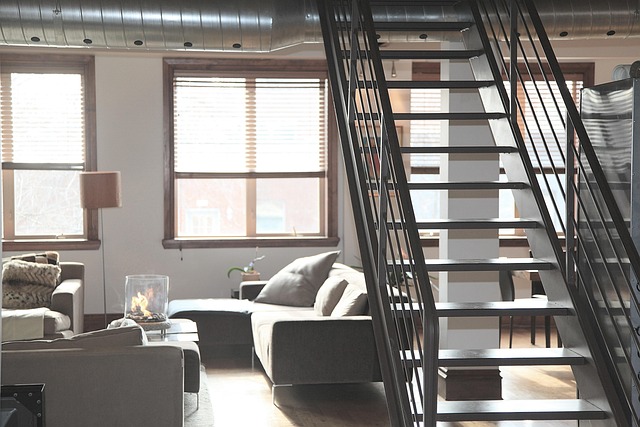
Unlike standard suburban homes, barndominiums emphasize structural simplicity—steel frames, soaring ceilings, and minimal internal partitions define their form. The result is a sense of openness rarely found in brick-and-tile dwellings. Polished concrete floors, exposed beams, and expansive glazing further underscore their industrial roots while accommodating modern finishes.
The Appeal of Barndominium Home Plans in Australia
The Australian housing market’s growing interest in barndominium home plans stems from their adaptability to both rural acreage and suburban infill sites. Developers view them as cost-efficient builds that meet sustainability targets without compromising design integrity.
Factors Driving Interest Among Australian Architects and Developers
Key motivators include lower construction costs, faster build times through prefabrication, and compliance with energy-efficiency standards such as the National Construction Code (NCC). Architects also appreciate their modular scalability—ideal for clients seeking customizable layouts that evolve over time.
Adaptation of Open-Plan Layouts to Suit Local Climates and Lifestyles
Australia’s temperate conditions favor open-plan designs promoting cross-ventilation and natural light. Barndominiums align naturally with this ethos through large windows, sliding doors, and shaded verandas that extend indoor living outdoors. These features resonate strongly with contemporary Australian lifestyles centered on flexibility and connection to nature.
Comparison Between Traditional Australian Homesteads and Barndominium Design Principles
Both typologies share functional DNA—robust materials, self-sufficiency, and weather resilience—but differ in aesthetic language. While homesteads evoke heritage charm through timber verandas and pitched roofs, barndominiums reinterpret these elements using steel cladding and minimalist geometry suited to modern sensibilities.
Architectural Characteristics and Design Flexibility
Barndominium architecture thrives on adaptability. Its core structure can accommodate varied spatial configurations—from family residences to mixed-use studios—without extensive redesigns or structural compromise.
Structural Features Defining Barndominium Architecture
Steel framing remains central due to its strength-to-weight ratio and resistance to pests or fire hazards common in rural zones. High ceilings create vertical volume enhancing ventilation efficiency while allowing mezzanine levels for additional space utilization. Expansive interiors provide architects freedom for experimentation rarely achievable within conventional load-bearing walls.
Integration of Sustainable Materials for Durability and Energy Efficiency
Modern barndominiums increasingly employ recycled steel, sustainably sourced timber, and insulated panels improving thermal performance across Australia’s diverse climates. Such materials reduce lifecycle costs while aligning with national sustainability frameworks like Green Star ratings promoted by the Green Building Council of Australia.
Spatial Adaptability Allowing for Mixed-Use Living Spaces
A defining advantage lies in spatial fluidity—living areas can easily transition into workshops or studios without structural alteration. This flexibility supports remote work culture growth while maintaining residential comfort standards demanded by contemporary occupants.
Interior Design Trends within Barndominium Homes
Interior design within barndominiums blends industrial minimalism with mid-century warmth—a balance achieved through thoughtful furniture selection and material layering.
Influence of Mid Century Modern Living Room Furniture on Interior Aesthetics
Mid century modern living room furniture complements barndominium interiors through clean lines, organic textures, and understated elegance. Iconic pieces crafted from teak or leather soften steel-heavy environments while preserving visual coherence between rustic exteriors and refined interiors.
Balancing Industrial Minimalism with Warmth and Texture Through Material Selection
Designers often juxtapose polished concrete floors against timber accents or soft textiles to counterbalance industrial rigidity. This interplay fosters tactile richness crucial for creating inviting domestic environments within otherwise austere frameworks.
Role of Natural Light, Open Floor Plans, and Multifunctional Zones in Modern Design
Large clerestory windows flood interiors with daylight reducing reliance on artificial lighting systems per IEA energy-efficiency recommendations. Open floor plans encourage social interaction while multifunctional zones adapt seamlessly between leisure, work, or creative uses depending on occupant needs.
The Intersection of Functionality and Aesthetic Innovation
Barndominiums exemplify how adaptive reuse principles can redefine luxury not through ornamentation but through purposeful design innovation rooted in simplicity.
Redefining Modern Architecture Through Adaptive Reuse Concepts
Transforming utilitarian forms into livable spaces challenges preconceived ideas about beauty in architecture. By elevating barns into bespoke residences, designers demonstrate how sustainability can coexist with high-end aesthetics—a philosophy resonating globally across architectural discourse.
Exploration of Architectural Hybridity Merging Rural and Urban Sensibilities
These structures blur boundaries between city sophistication and countryside pragmatism. Their appeal extends beyond farmland; urban dwellers increasingly adopt them as warehouse-style lofts reflecting broader cultural shifts toward authenticity over excess.
How Barndominiums Challenge Conventional Notions of Luxury Housing
Luxury here derives from space quality rather than decorative excess—natural light abundance, craftsmanship precision, acoustic comfort—all hallmarks redefining aspirational living standards within attainable budgets.
Integration with Contemporary Australian Architectural Values
Australia’s architectural identity evolves around sustainability consciousness paired with relaxed functionality—values inherently mirrored by barndominium typologies gaining traction nationwide.
Alignment with Sustainability Goals and Passive Design Strategies
Passive cooling techniques such as cross-ventilation corridors or insulated roofing minimize mechanical energy demands aligning with IRENA guidelines advocating low-carbon housing transitions across developed nations.
Emphasis on Modularity, Scalability, and Affordability in Construction Methods
Prefabricated modules enable predictable build timelines reducing waste generation during assembly stages—a practical advantage appealing equally to developers managing tight budgets or remote-site logistics challenges.
Reflection of Australia’s Evolving Architectural Identity Through Adaptive Typologies
Barndominiums encapsulate an emerging national narrative emphasizing resourcefulness over ornamentation—a pragmatic yet aesthetically progressive direction shaping future residential landscapes.
Materiality, Sustainability, and Construction Techniques
Material selection defines both performance longevity and environmental footprint making it central to ongoing innovation within this housing movement.
Materials Shaping the Future of Barndominium Home Plans
Steel remains favored for structural integrity; however hybrid combinations incorporating engineered timber enhance tactile warmth suitable for coastal humidity or inland aridity alike. Composite claddings improve corrosion resistance ensuring durability under harsh UV exposure typical across much of Australia.
Thermal Performance Considerations for Varied Regional Climates
Effective insulation strategies differ regionally—from reflective foil layers combating tropical heat in Queensland to double-glazed fenestrations retaining warmth across Victoria’s winters—each tailored toward optimizing occupant comfort year-round per ISO 7730 thermal environment standards.
Innovations in Prefabrication Enhancing Build Efficiency and Precision
Factory-fabricated components guarantee dimensional accuracy minimizing onsite errors while shortening project timelines up to 30 percent compared with conventional builds reported by industry benchmarking studies under CSIRO construction research initiatives.
Sustainable Practices Driving Adoption in Australia
Sustainability extends beyond materials—it encompasses operational performance measured across decades rather than design completion alone.
Incorporation of Renewable Energy Systems Such as Solar Panels and Rainwater Harvesting
Integration of rooftop photovoltaic arrays offsets grid dependency while rainwater tanks support irrigation reducing municipal consumption consistent with IEA renewable integration guidelines encouraging decentralized generation models at household scale.
Life-Cycle Assessment Approaches to Minimize Environmental Impact
Architectural teams increasingly employ lifecycle assessment software quantifying embodied carbon enabling data-driven decisions guiding specification toward low-impact alternatives throughout procurement phases.
Regulatory Frameworks Supporting Eco-Conscious Housing Developments
Government incentives promoting net-zero-ready dwellings under programs like NABERS accelerate mainstream acceptance positioning barndominiums as compliant yet forward-thinking solutions bridging policy ambition with practical execution capacity across diverse regions.
Cultural and Economic Implications for the Housing Market
Beyond architecture lies broader socioeconomic significance influencing regional development trajectories shaped by affordability pressures amid shifting demographic demands.
Socioeconomic Factors Influencing Adoption Rates
Cost-effectiveness remains decisive; average construction expenses per square meter often fall below traditional masonry equivalents enhancing accessibility particularly among first-time buyers or rural property owners seeking secondary accommodation units without excessive debt exposure risk flagged by Reserve Bank housing affordability analyses.
Appeal to Rural Landowners, Developers, and Design-Forward Homeowners Alike
Rural clients value integrated workspace potential; developers prioritize scalability; meanwhile design enthusiasts appreciate minimalist aesthetics adaptable across stylistic spectrums from rustic chic through urban-industrial reinterpretations gaining traction within metropolitan markets like Brisbane or Perth fringes alike.
Impact on Regional Development Trends Across Suburban and Rural Zones
Widespread adoption stimulates local economies via demand for prefabrication manufacturing hubs supporting regional employment diversification complementing infrastructure investment agendas targeting balanced growth distribution beyond capital cities alone per Bloomberg regional economic outlook reports referencing construction sector multipliers observed post-2020 recovery cycles globally comparable contexts included therein.
FAQ
Q1: What makes barndominiums different from traditional Australian homes?
A: They combine industrial steel framing with open-plan layouts offering greater spatial flexibility than standard brick houses while maintaining energy efficiency aligned with national codes.
Q2: Are barndominium home plans suitable for urban areas?
A: Yes. Compact versions adapt well within suburban lots providing unique architectural character without breaching zoning constraints common across metropolitan councils.
Q3: How sustainable are these structures long-term?
A: When constructed using insulated panels plus renewable systems like solar power they achieve impressive lifecycle performance metrics consistent with international green building benchmarks such as ISO 14040 LCA frameworks.
Q4: What interior styles best complement a barndominium?
A: Mid century modern living room furniture pairs effectively due to its timeless proportions balancing metal surfaces through organic warmth enhancing overall cohesion indoors.
Q5: Is building a barndominium more affordable than a conventional house?
A: Generally yes since simplified framing reduces labor hours alongside prefabricated components cutting onsite waste contributing notable savings relative typical detached dwelling projects nationwide averages show similar trends year-over-year.