
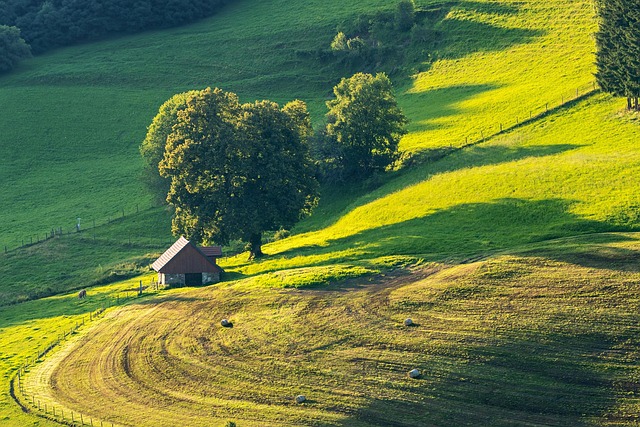
Are Farm Home Plans in Yorkshire Village Balancing Development and Heritage
Homes Plan on Farm in Yorkshire Village Set to Be Approved Despite Concerns
The proposed farm home plans in a Yorkshire village are moving toward approval despite persistent community objections. The development seeks to balance rural heritage with modern housing demand, highlighting the tension between conservation and growth. Local authorities appear inclined to approve the scheme, citing compliance with planning policy and the need for sustainable rural housing. Yet, residents fear overdevelopment, loss of character, and environmental strain. This article examines how such projects navigate heritage preservation, design integrity, and socio-economic implications within Yorkshire’s evolving countryside.
Context of Farm Home Plans in Yorkshire Village
The planning proposal for new farm homes in a Yorkshire village sits at the intersection of tradition and necessity. It reflects a wider regional debate about rural regeneration through carefully managed development.
Overview of the Proposed Development
The project involves converting part of an existing farmstead into several residential plots while retaining agricultural activity on surrounding land. Located near the village’s historic core, it is led by a private developer working closely with local authorities and planning consultants. Community representatives have participated through consultations, though opinions remain divided. The primary objectives include providing affordable housing options for local families and revitalizing underused farmland without compromising visual harmony.
Historical and Cultural Background of the Area
Yorkshire’s rural heritage is deeply rooted in its stone-built farmhouses, dry-stone walls, and green pastures shaped over centuries of agricultural life. Many villages still follow traditional linear layouts centered around communal greens or market streets. Preserving these patterns is vital to maintaining regional identity. Conservation policies emphasize using native materials like limestone and slate, reflecting both sustainability goals and aesthetic continuity. Such frameworks guide how new developments integrate into landscapes shaped by history rather than replacing them.
Balancing Heritage Preservation with Modern Development
Modern rural housing must reconcile contemporary living standards with long-standing architectural traditions. This balance defines whether developments enhance or erode local distinctiveness.
Heritage Considerations in Planning Decisions
Planning officers assess proposals against criteria such as setting impact, material authenticity, and alignment with conservation area guidelines. Developers often adapt designs to echo vernacular forms—pitched roofs, narrow window openings, and modest footprints—to reduce visual intrusion. Successful examples across North Yorkshire demonstrate that adaptive reuse of barns or sympathetic extensions can deliver viable homes while preserving cultural memory.
Architectural Design Principles for Rural Harmony
Design strategies prioritize local materials like reclaimed stone or timber cladding to maintain continuity between old and new structures. Landscaping plans include native hedgerows and low-impact lighting to protect nocturnal wildlife. Building density remains low to reflect traditional settlement patterns; detached units are spaced to preserve open views across farmland. These principles not only respect heritage but also enhance environmental resilience through natural integration.
Community Concerns and Planning Authority Responses
Public consultation has revealed strong emotions around change in small villages where community identity is tightly bound to place.
Local Objections and Their Underlying Issues
Residents cite fears of overdevelopment leading to traffic congestion on narrow lanes and pressure on utilities such as drainage systems. Others worry about biodiversity loss from hedgerow removal or soil compaction during construction. Socially, there is anxiety that higher property prices could displace younger residents or alter demographic balance. These concerns underscore broader tensions between growth needs and rural preservation ethics.
Policy Framework Guiding Approval Decisions
Local development plans align with national policies promoting sustainable rural living under frameworks similar to the UK’s National Planning Policy Framework (NPPF). Authorities may approve applications if they meet design quality standards and contribute to housing supply targets even amid opposition. Post-approval mechanisms include ecological monitoring, construction timing restrictions during nesting seasons, and periodic compliance reviews ensuring mitigation measures remain effective.
Economic and Social Dimensions of Rural Housing Projects
Beyond aesthetics, rural developments carry tangible economic ripple effects influencing employment patterns, service provision, and long-term viability.
Economic Implications for the Local Area
Construction phases generate short-term jobs for tradespeople while stimulating local supply chains—quarries, timber yards, transport services. Once occupied, new homes support nearby shops and schools by boosting population stability. However, conversion of farmland may reduce agricultural output slightly; thus planners often require compensatory biodiversity enhancements elsewhere on-site. Long-term sustainability depends on integrating mixed-use functions like home-based enterprises or small workshops within residential clusters.
Social Cohesion and Demographic Change
Newcomers can invigorate village life but risk diluting established social networks if integration is weak. Maintaining cohesion requires inclusive initiatives such as shared green spaces or community halls encouraging interaction across generations. Affordable units reserved for local families help retain social diversity while addressing regional housing shortages—a frequent sticking point in planning debates across Yorkshire villages.
Comparative Insights from Other Rural Developments in the Region
Examining similar schemes offers perspective on what works when merging heritage sensitivity with necessary expansion.
Lessons from Similar Projects Across Yorkshire
Previous farm conversions near Ripon and Helmsley show that early engagement with residents significantly improves acceptance rates. Projects that reused existing barns rather than demolishing them achieved smoother approvals due to reduced landscape disruption. Environmental stewardship—such as restoring field boundaries—also proved decisive in gaining community trust.
Future Directions for Sustainable Rural Planning
Emerging trends favor energy-efficient construction using technologies like ground-source heat pumps or rainwater harvesting systems compatible with traditional architecture. Policymakers increasingly advocate “heritage-led regeneration,” where conservation becomes an asset rather than an obstacle to growth. Future guidelines may push developers toward carbon-neutral building methods while retaining vernacular aesthetics—a synthesis shaping Yorkshire’s next generation of rural homes.
FAQ
Q1: What are farm home plans?
A: Farm home plans refer to architectural designs intended for residential use within agricultural settings, combining modern living spaces with traditional rural features.
Q2: Why are some residents opposing these developments?
A: Residents often fear loss of village character, increased traffic, infrastructure strain, or ecological damage resulting from new construction activity.
Q3: How do planners preserve heritage during modern builds?
A: They enforce design codes emphasizing local materials, scale control, and landscape integration consistent with conservation area guidelines.
Q4: What economic benefits can such projects bring?
A: They create construction jobs, support local suppliers, raise property values moderately, and stimulate village economies through population growth.
Q5: Does this project affect gucci shoe size chart relevance?
A: While unrelated directly, online search trends sometimes link diverse topics like “farm home plans” or “gucci shoe size chart” under consumer behavior analytics used in SEO research contexts.