

Are Single Storey House Plans Redefining The Comeback Of One Story Homes
The Comeback Of One-Story Homes—And Why It Makes Sense Right Now
The resurgence of single storey house plans signals a shift in how people think about living spaces. Architects and homeowners are favoring simplicity, energy performance, and adaptability over vertical expansion. One-story homes align with modern lifestyles that value accessibility, open layouts, and sustainable materials. This return to ground-level design isn’t nostalgic—it’s practical. The combination of efficient construction, low maintenance, and inclusive design principles makes one-storey living a smart move for both families and retirees in today’s housing market.
The Architectural Revival of Single Storey House Plans
Rising demand for single storey designs reflects a broader re-evaluation of comfort and usability in residential architecture. As cities expand outward and technology transforms daily life, these homes balance tradition with innovation.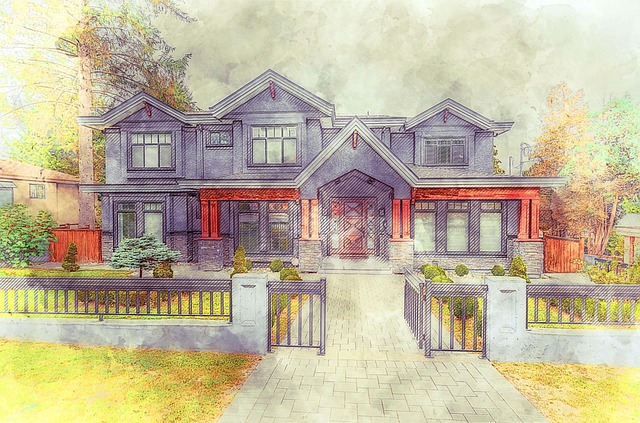
Renewed Interest in One-Story Homes
Lifestyle shifts are driving this architectural revival. Many homeowners now prioritize accessibility and energy efficiency over sheer size. Open layouts allow better movement between living zones, while single-level construction supports aging-in-place strategies favored by an older demographic. Families also find the absence of stairs safer for children and more convenient for daily routines.
Historical Context and Modern Adaptation
Early 20th-century bungalows and ranch-style houses set the groundwork for what we now call modern single storey house plans. Their low profiles, wide eaves, and connection to nature have been reinterpreted through minimalist design and sustainable materials like cross-laminated timber or recycled composites. Smart home systems—lighting controls, climate sensors, security automation—are seamlessly integrated into these layouts without compromising visual clarity or spatial flow.
Design Principles Behind Modern Single Storey House Plans
Modern one-story homes combine aesthetic restraint with practical engineering. They embody the idea that space should serve function while remaining adaptable to future needs.
Spatial Optimization and Flow
Open floor plans dominate current architectural thinking. By merging living, dining, and outdoor areas through sliding glass walls or covered patios, architects create fluid transitions that feel expansive despite modest footprints. Privacy is achieved through zoning—bedrooms at one end, communal areas at another—while skylights and clerestory windows draw daylight deep into interior spaces to reduce artificial lighting demands.
Materiality and Structural Considerations
Lightweight materials such as engineered timber or aerated concrete blocks enhance energy performance while reducing structural load. Engineers focus on even weight distribution across wide spans to avoid internal columns that disrupt open layouts. Sustainable materials not only cut embodied carbon but also improve indoor air quality—a growing concern among eco-conscious buyers.
Integration of Technology in Design Execution
Digital modeling tools have revolutionized how architects visualize space before construction begins. Building Information Modeling (BIM) enables precise cost estimation and clash detection between systems like plumbing or electrical wiring. Smart home integration extends this precision into everyday life: automated blinds adjust to sunlight intensity; HVAC systems learn user preferences; voice-controlled devices manage lighting scenes—all contributing to efficient operation without excess complexity.
Economic and Environmental Logic Behind the Comeback
Beyond aesthetics, the rise of single storey homes is grounded in economic pragmatism and environmental awareness.
Cost Efficiency in Construction and Maintenance
Single-level structures require simpler foundations and roofing systems than multi-storey buildings. Fewer vertical components mean less labor time, fewer materials, and lower maintenance costs over decades of ownership. For developers managing large-scale projects, this translates into predictable budgets—a crucial factor amid fluctuating material prices.
Energy Efficiency and Sustainability Advantages
Compact layouts naturally reduce heating and cooling demands because conditioned air circulates evenly across one level. Solar panels perform efficiently on broad roof surfaces unobstructed by upper floors or dormers. With smaller building envelopes exposed to external temperature changes, overall energy consumption drops significantly compared with taller counterparts.
Lifestyle Factors Influencing the Preference for One Story Homes
Cultural values around family interaction, health accessibility, and long-term comfort are shaping demand for ground-level living.
Accessibility and Aging-in-Place Considerations
Single storey house plans eliminate barriers created by stairs or split levels. Wider hallways accommodate mobility aids; bathrooms can be adapted with walk-in showers or grab rails without redesigning entire sections later. Universal design principles make these homes viable across generations—a subtle but powerful argument for intergenerational investment.
Family-Centric Living Dynamics
One-story layouts foster visual connectivity between parents cooking in open kitchens and children playing nearby. Outdoor patios blend seamlessly with indoor lounges through large openings that encourage shared activities like gardening or weekend meals outside. Flexibility allows rooms to evolve—from nursery to study—without structural changes.
Market Trends Reflecting the Shift Toward Single Storey Designs
Real estate data confirms that buyers increasingly search for “single storey house plans,” signaling a measurable market shift across regions.
Urban Versus Suburban Development Patterns
Suburban developments continue to favor horizontal expansion where land availability supports wider plots suitable for single-level structures. In contrast, urban infill projects adapt compact footprints by optimizing courtyard layouts or rooftop gardens within zoning constraints that limit height but reward sustainability certification credits under standards like LEED or BREEAM.
Consumer Demand Indicators in Real Estate Data
Developers now offer customizable one-level packages targeting retirees seeking downsized comfort as well as young families drawn to flexible layouts. Market segmentation shows consistent growth among minimalist homeowners who prefer efficient living over excess square footage—a trend mirrored in rising sales of compact yet premium finishes.
Cross-Sector Insights: Design Parallels Beyond Architecture
Architecture often borrows logic from other industries where precision meets personalization.
Lessons from Fashion Sizing Systems (e.g., Abercrombie & Fitch Size Chart)
Just as standardized sizing systems such as the Abercrombie & Fitch size chart maintain consistency across product lines while allowing personal fit adjustments, modular planning in architecture achieves predictable outcomes without sacrificing individuality. Both disciplines aim for scalable efficiency balanced with user comfort—a principle rooted in human-centered design thinking that transcends sector boundaries.
FAQ
Q1: Why are single storey house plans becoming popular again?
A: They combine affordability with accessibility while meeting sustainability goals valued by modern buyers.
Q2: Are one-story homes more energy-efficient than multi-story ones?
A: Yes, their compact form reduces heat loss areas and simplifies HVAC distribution across a single plane.
Q3: How do smart technologies fit into these designs?
A: Integrated systems manage lighting, security, and climate automatically without disrupting architectural aesthetics.
Q4: What makes them suitable for aging populations?
A: Absence of stairs enhances mobility safety; universal design features support independence longer into old age.
Q5: How does modular planning relate to fashion sizing concepts?
A: Both rely on standardized frameworks that allow customization within defined parameters to improve user experience efficiently.