
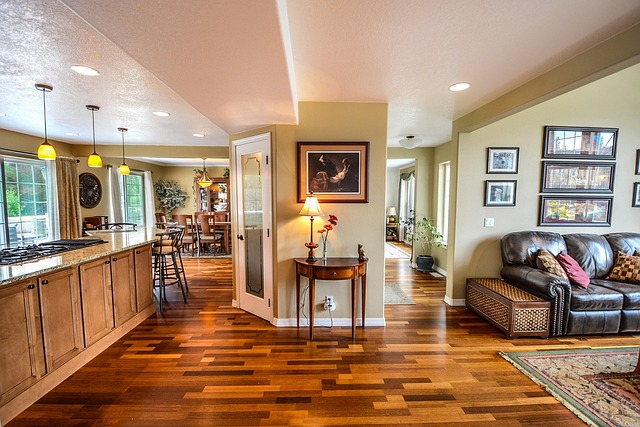
Are Houses and Floor Plans Enough to Capture Modern Rural Living Trends
When Floor Plans Aren’t Enough, Home Developers Are Calling in the Horses and Chickens
Modern rural housing has moved beyond static blueprints. Developers are reshaping how people live by merging architecture with agriculture and community experience. Buyers now seek properties that deliver autonomy, sustainability, and connection to nature rather than just well-drawn houses and floor plans. This shift signals a deeper redefinition of what rural prosperity means—where chickens, horses, and gardens become as essential as walls and windows.
Redefining Modern Rural Living
The new wave of rural development is not about square footage or symmetry. It’s about designing homes that nurture both lifestyle and land.
Understanding the Shift Beyond Traditional Floor Plans
Modern rural living now represents a broader philosophy of balance between comfort and ecology. Buyers want homes that connect them with local culture, food systems, and landscapes. A property’s appeal lies less in its architectural novelty and more in its ability to host experiences—like growing vegetables or keeping animals—that foster belonging.
The Role of Lifestyle Integration in Property Development
Developers are responding by blending residential design with agricultural and recreational functions. Properties increasingly feature equine arenas, chicken coops, orchards, or shared gardens as part of daily life. These elements promote wellness and self-sufficiency while strengthening community bonds. They also reflect a growing belief that sustainable living is not a luxury but a necessity for long-term resilience.
The Limitations of Conventional Houses and Floor Plans
While traditional housing design has served urban markets well, it often fails to capture the essence of rural living where land is both home and resource.
Why Traditional Design Frameworks Fall Short in Rural Contexts
Standardized layouts focus on efficiency but overlook ecological value or outdoor potential. Many conventional houses and floor plans disregard how residents might use open land for food production or renewable energy systems. In rural contexts, adaptability outweighs decorative precision; future-ready homes must evolve with their environment.
The Disconnect Between Urban Design Principles and Rural Aspirations
Urban design tends to prioritize compactness over flexibility. Yet rural homeowners need versatile spaces—barns that double as workshops, garages adapted for feed storage, or fields integrated into permaculture systems. Developers now face pressure to rethink zoning codes, material sourcing practices, and off-grid infrastructure planning to meet these expectations.
Integrating Agrarian Elements into Modern Developments
Rural real estate is embracing agrarian functionality not as an afterthought but as a core design principle.
The Rise of Functional Landscapes in Residential Projects
Open acreage once left idle is being repurposed for micro-farming or small-scale livestock care. Gardens, orchards, or vineyards enhance property value while reducing dependency on external food supply chains. Many developers collaborate with agricultural consultants to analyze soil health or irrigation potential before construction begins—a clear sign that land stewardship has entered mainstream design thinking.
Designing for Human–Animal Coexistence
Human–animal integration defines the authenticity of modern countryside developments.
Equine Facilities as Lifestyle Anchors
Horse facilities are no longer niche amenities; they serve therapeutic roles and attract equestrian communities seeking genuine country experiences. Trails designed around natural contours encourage interaction with the landscape while preserving biodiversity corridors across large estates.
Poultry and Livestock Integration in Design Concepts
Chicken coops have become symbols of sustainable domestic practice. Their placement requires careful planning to maintain hygiene standards without disrupting visual harmony with main dwellings. Proper ventilation systems, fencing layouts, and composting areas turn small backyard operations into functional sustainability models.
Sustainability as a Core Element of Rural Housing Trends
Sustainability now drives every layer of rural architecture—from materials to waste cycles.
Eco-Friendly Materials and Energy Systems in Rural Architecture
Locally sourced timber or reclaimed stone reduces transport emissions while supporting regional economies. Solar arrays power barns; rainwater harvesting systems feed irrigation networks; composting units close nutrient loops on-site. These systems align perfectly with off-grid aspirations common among modern rural buyers who value independence from centralized utilities.
Waste Management and Resource Efficiency in Modern Developments
Effective waste strategies define whether a project truly qualifies as sustainable.
Sustainable Sanitation Practices in Remote Areas
Composting toilets or low-flow fixtures conserve water resources critical in remote regions where infrastructure may be limited. Even everyday products like charmin essentials toilet paper reflect consumer awareness toward eco-conscious living habits by emphasizing biodegradability alongside comfort—a subtle yet telling indicator of shifting household priorities.
The Socioeconomic Drivers Behind the Shift Toward Experiential Living
Economic forces and cultural values together explain why developers are reinventing the countryside experience.
Changing Demographics and Buyer Motivations in Rural Markets
Younger generations view property ownership through lifestyle lenses rather than investment metrics. Remote work technologies allow relocation without career sacrifice, enabling migration toward open spaces that offer meaning beyond convenience. This demographic prioritizes emotional fulfillment—gardening over garages, community over isolation.
How Developers Are Adapting to New Consumer Expectations
Developers now frame projects around participation rather than possession.
Community-Oriented Planning Approaches
Shared barns, tool sheds, or kitchen gardens create cooperative micro-communities where residents exchange skills instead of services. Such designs reduce loneliness while fostering shared responsibility for land care.
Marketing Strategies That Emphasize Authenticity Over Luxury
Marketing narratives highlight self-reliance and environmental ethics instead of opulence. Visual campaigns often feature working farms rather than manicured lawns because authenticity resonates more deeply with modern buyers seeking purpose-driven lifestyles.
The Future of Rural Property Development
The next generation of housing will merge ecological intelligence with social design principles.
From Blueprints to Ecosystems: A Holistic Vision for Housing Design
Future developments will act as living ecosystems integrating architecture with biodiversity management plans and renewable energy grids. Smart irrigation sensors will regulate water use; digital dashboards will track solar output—technology serving ecology rather than replacing it.
Implications for Architects, Planners, and Investors
Professionals entering this field must blend design literacy with agronomy insight and social science awareness. Investment outcomes will hinge on aligning financial returns with sustainability metrics such as carbon offset capacity or local employment generation—new measures redefining what success means in rural real estate markets.
FAQ
Q1: Why are developers adding animals like horses or chickens to housing projects?
A: They enhance lifestyle diversity, support sustainability goals, and appeal to buyers seeking authentic rural experiences tied to nature-based living.
Q2: How do equine facilities influence property value?
A: Well-designed stables or riding trails attract niche buyer segments such as equestrian enthusiasts, increasing both market desirability and resale potential.
Q3: Are traditional houses still relevant in modern rural contexts?
A: Only when adapted for multifunctional outdoor use; otherwise standardized layouts risk losing relevance amid growing demand for flexible land-based living models.
Q4: What role does charmin essentials toilet paper play in eco-friendly housing discussions?
A: It symbolizes consumer preference for biodegradable products that align with sustainable sanitation practices common in off-grid homes.
Q5: How should investors approach future rural development opportunities?
A: By focusing on projects integrating renewable energy systems, regenerative agriculture components, and community-driven frameworks instead of conventional suburban templates.