
Are Modern Farm Home Plans Redefining Closed Floor House Concepts
Closed Floor House Plans That Prove Defined Spaces Are Back
For decades, open floor concepts dominated residential design, symbolizing freedom, flow, and social connectivity. Yet the tide has turned. Today’s homeowners are rediscovering the comfort of separation and the sophistication of structure. Closed floor house plans—especially within modern farm home plans—demonstrate that defined spaces can coexist with elegance and efficiency. This shift isn’t nostalgia; it’s a response to evolving lifestyles, acoustic needs, and energy awareness. Architects are crafting homes where privacy meets practicality, proving that boundaries can be beautiful again.
The Shift from Open to Closed Floor Concepts in Modern Architecture
The transformation from open layouts to compartmentalized designs reflects broader cultural and technological changes. As family routines diversify and remote work becomes standard, spatial flexibility now demands more than visual openness—it requires purposeful division.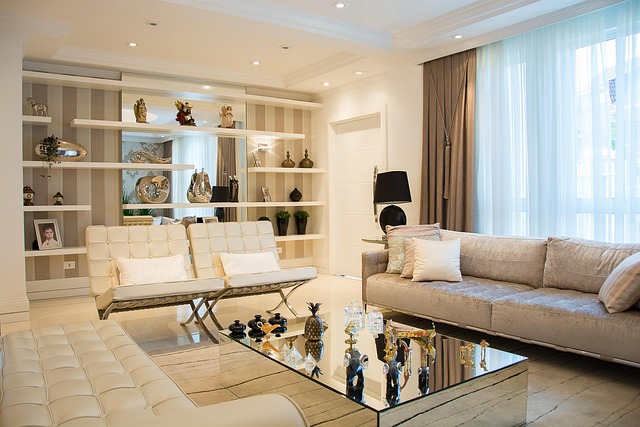
Historical Overview of Open Versus Closed Floor Concepts
Early 20th-century homes featured enclosed rooms separating daily functions. By mid-century, open plans emerged as symbols of modern living, aligning with postwar optimism and suburban growth. However, these layouts often sacrificed acoustic control and thermal efficiency for aesthetics. The pendulum now swings back as homeowners seek balance between connection and retreat.
How Lifestyle Changes Have Influenced Spatial Design Preferences
Remote work, digital schooling, and multi-generational living have redefined domestic priorities. People need rooms that adapt to varied uses without constant rearrangement. A closed plan supports this demand by offering dedicated zones for focus, relaxation, or collaboration—each tailored to its function rather than blended into one continuous volume.
The Resurgence of Privacy and Functionality in Home Layouts
Privacy is no longer a luxury but an expectation. Defined walls offer not only seclusion but also practical benefits like sound insulation and controlled lighting conditions. Families appreciate being able to close a door during meetings or unwind without background noise from adjacent spaces.
The Role of Design Philosophy in Shaping Modern Farm Homes
Modern farm home plans embody this architectural shift with remarkable clarity. They merge rural warmth with contemporary precision, emphasizing both aesthetics and usability.
Blending Traditional Farmhouse Aesthetics with Contemporary Needs
Classic farmhouses valued durability and simplicity; modern iterations reinterpret those values through clean lines and efficient layouts. Wide porches remain, yet interiors now feature distinct living areas that support today’s digital lifestyles while preserving rustic charm.
Architectural Priorities Driving the Move Toward Defined Spaces
Designers prioritize livability over visual vastness. Instead of one sprawling great room, they create interconnected yet separate environments—kitchens that conceal clutter from dining areas or studies isolated from family zones—to enhance daily function without losing coherence.
Material and Structural Innovations Supporting Compartmentalized Layouts
Advancements in framing systems, acoustic panels, and smart ventilation allow compartmentalization without compromising comfort or energy flow. Materials like reclaimed wood or matte metal add texture while reinforcing each room’s identity within the whole structure.
Characteristics of Modern Farm Home Plans
This new generation of farm homes doesn’t reject openness entirely; it redefines it through thoughtful boundaries that guide movement and purpose.
Spatial Organization and Defined Living Areas
Homes now separate communal zones such as kitchens or living rooms from private quarters like bedrooms or offices. Transitional spaces—mudrooms, foyers—act as buffers that improve usability while maintaining order throughout the layout.
Integration of Transitional Spaces Such as Mudrooms and Foyers
These intermediary areas serve functional roles: mudrooms manage outdoor gear; foyers provide visual breathing space before entering main rooms. They also contribute to energy efficiency by moderating air exchange between indoors and outdoors.
Functional Zoning Enhancing Both Comfort and Energy Efficiency
Defined spaces enable targeted heating or cooling rather than conditioning an entire open expanse. This zoning approach reduces energy waste while improving personal comfort levels across different parts of the home.
Architectural Elements Supporting Closed Floor Concepts
The success of closed layouts lies in how architecture defines space subtly rather than rigidly.
Use of Partial Walls, Sliding Doors, and Built-ins to Delineate Areas
Partial partitions maintain sightlines while providing separation where needed. Sliding barn doors—a hallmark of modern farm design—offer flexibility between openness and closure depending on activity or mood.
Ceiling Variations, Beams, and Trims Reinforcing Spatial Definition
Architects use ceiling heights or exposed beams to signal transitions between zones without physical barriers. Trim details further emphasize shifts in function while adding craftsmanship reminiscent of traditional carpentry.
Strategic Window Placement Maintaining Openness Without Sacrificing Boundaries
Windows positioned at varying heights preserve natural light but prevent direct visibility between private rooms. This strategy keeps interiors bright yet discreetly divided—a subtle equilibrium between exposure and enclosure.
Redefining Privacy and Functionality in Contemporary Homes
As households evolve into multi-purpose environments, architecture must mediate interaction without erasing individuality.
The Return of Dedicated Rooms for Specific Activities
Formal dining rooms reappear for gatherings; studies accommodate hybrid work models; hobby rooms foster creativity away from distractions. Each dedicated space supports focused engagement—a counterpoint to multitasking fatigue common in open layouts.
Impact on Household Dynamics and Work-from-Home Trends
Enclosed designs help delineate professional boundaries within domestic settings. Parents can conduct meetings undisturbed while children study nearby yet separately—an arrangement increasingly vital since remote work became mainstream.
Acoustic and Thermal Benefits Associated with Enclosed Layouts
Walls naturally dampen sound transmission between rooms while allowing selective temperature control. This improves concentration during work hours and reduces energy costs during seasonal extremes.
Balancing Connectivity with Separation in Design Execution
Creating harmony between defined rooms requires careful orchestration rather than strict isolation.
Incorporating Visual Continuity Through Materials and Color Palettes
Using consistent flooring materials or cohesive color schemes ties separate areas together visually even when walls intervene. The result is unity without monotony—a hallmark of refined residential design.
Use of Circulation Corridors to Maintain Flow Between Rooms
Corridors act as arteries connecting functional clusters within the home. Proper width ratios prevent them from feeling restrictive while enhancing navigational clarity across multiple levels or wings.
Technology Integration Ensuring Connectivity Across Defined Spaces
Smart lighting systems, wireless controls, and integrated HVAC sensors allow seamless coordination among distinct zones—proof that technological cohesion complements architectural separation rather than undermines it.
Aesthetic Principles Driving Modern Farm Home Appeal
A closed floor plan doesn’t mean confined aesthetics; it amplifies the character of each space through deliberate contrast.
Harmonizing Rustic Charm with Contemporary Precision
Natural materials like wood beams or brick walls coexist with sleek fixtures or minimalist cabinetry. This interplay creates warmth without clutter—a visual rhythm typical of sophisticated modern farm homes designed around defined spaces.
Minimalist Detailing Paired with Warm Textures for Balanced Aesthetics
Streamlined profiles offset tactile finishes such as linen curtains or rough-sawn timber surfaces. Together they evoke both calmness and authenticity—qualities central to enduring farmhouse appeal.
Color Schemes Emphasizing Natural Tones While Supporting Spatial Clarity
Muted palettes inspired by soil tones or weathered stone promote continuity across rooms yet allow subtle differentiation through accent hues that mark transitions gracefully.
Lighting Strategies That Complement Defined Spaces
Lighting now plays both functional and emotional roles in shaping perception within enclosed layouts.
Layered Lighting Enhancing Mood Differentiation Between Rooms
Ambient fixtures combined with task lights create atmospheres suited to each activity—from soft dining glows to crisp office illumination—without spillover glare across boundaries.
Natural Light Optimization Through Selective Glazing Techniques
Strategic window sizing channels daylight deep into interiors while preserving privacy where necessary. Clerestory windows above eye level often illuminate corridors connecting major spaces efficiently throughout the day.
Artificial Lighting Design Reinforcing Architectural Segmentation
Recessed lights highlight ceiling variations; pendant clusters define dining areas; wall sconces accentuate vertical divisions—all contributing to spatial legibility after sunset.
Design Implications for Future Residential Architecture
Closed floor planning signals not regression but recalibration toward adaptable precision suited for tomorrow’s households.
Adapting Closed Floor Plans to Evolving Lifestyles
Future designs will likely include convertible partitions enabling flexible room functions as family structures shift over time—from nursery conversions to aging-in-place adaptations using modular wall systems.
Modular Wall Systems Allowing Future Spatial Reconfiguration
Prefabricated panels equipped with concealed wiring simplify renovation cycles by letting homeowners reassign functions without major reconstruction—a sustainable practice gaining traction in custom builds globally.
Sustainability Considerations Influencing Layout Decisions
Smaller conditioned volumes reduce carbon footprints compared with vast open halls requiring uniform climate control. Sustainable materials further reinforce environmental responsibility embedded within architectural planning principles endorsed by ISO standards on building performance efficiency (ISO 52000 series).
Influence on Market Trends and Client Expectations
Developers increasingly recognize that clarity sells better than chaos—and clients crave both privacy and adaptability under one roof.
Growing Demand for Adaptable Yet Private Living Environments
Buyers prioritize homes offering quiet retreats alongside shared gathering spots—a duality reflecting post-pandemic sensibilities about wellness, focus, and family interaction patterns observed across housing surveys by Bloomberg Intelligence (2023).
Developer Strategies Aligning With Emerging Homeowner Preferences
Builders respond by marketing “smartly divided” plans featuring flexible studies or secondary suites appealing equally to professionals working remotely or extended families cohabiting under one roof configuration trendlines seen across North American developments since 2022 (Reuters).
Potential Implications for Construction Methods and Material Sourcing
This resurgence encourages diversified supply chains emphasizing sustainable timber framing over steel spans typical in open designs—reshaping procurement strategies toward localized craftsmanship supportive of circular economy goals cited by IEA construction outlook data (2024).
FAQ
Q1: Why are closed floor house plans gaining popularity again?
A: They offer better privacy, noise control, energy efficiency, and flexibility for remote work compared with traditional open layouts.
Q2: How do modern farm home plans incorporate closed concepts?
A: By combining rustic materials with defined spatial zoning using partial walls, sliding doors, or ceiling variations while maintaining warmth through cohesive design language.
Q3: Do closed floor plans affect natural light distribution?
A: Not significantly when architects use selective glazing strategies such as clerestory windows or transoms that distribute daylight effectively across enclosed areas.
Q4: What role does technology play in these designs?
A: Integrated systems manage lighting, climate control, security, ensuring seamless connectivity even when physical boundaries exist between rooms.
Q5: Are closed floor concepts more sustainable?
A: Yes—they allow targeted heating/cooling zones reducing energy waste while supporting long-term adaptability through modular construction techniques aligned with sustainability standards like ISO 52000 series.