

Can You Design a Bedroom Online That Reflects Its True Focal Point
Designing the Bedroom Around Its True Focal Point
A bedroom’s design coherence often depends on a single visual anchor that organizes every surrounding detail. The true focal point defines sightlines, balances proportions, and sets emotional tone. When professionals design a bedroom online, identifying that central feature early helps align digital visualization with physical outcomes. The bed usually dominates this role, yet architectural features or artistic installations can shift perception. The key is control—how lighting, materials, and spatial rhythm converge to reinforce one commanding element.
Understanding the Concept of a Bedroom’s True Focal Point
The concept of a focal point in bedroom design extends beyond decoration. It determines how the eye moves through space and how furniture interacts with architecture. In digital environments, this principle becomes more measurable because designers can visualize composition before construction.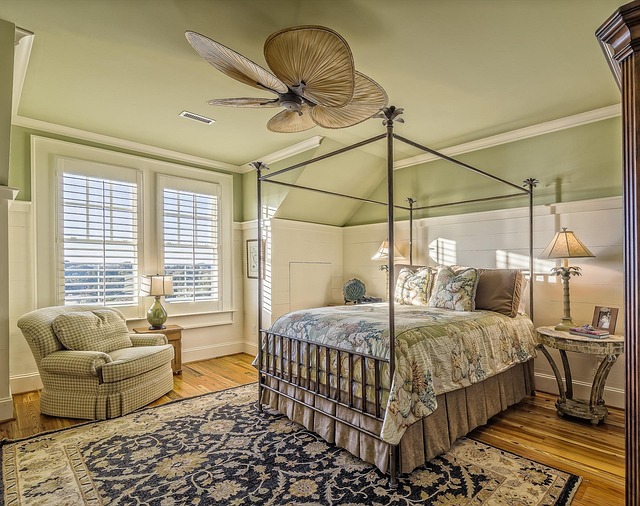
Defining the Focal Point in Interior Design
The focal point acts as a visual anchor that organizes spatial flow and hierarchy. In bedrooms, it guides how furniture aligns and how color balance supports comfort. Designers often use 3D visualization to test whether the chosen focal feature commands enough presence without overpowering other elements. Digital tools make it easier to adjust scale or lighting until equilibrium is achieved.
Common Focal Points in Bedroom Design
Architectural structures such as bay windows or fireplaces frequently serve as natural anchors. When absent, statement furniture like an upholstered headboard or sculptural bed frame becomes the centerpiece. Artwork or textured accent walls also introduce focus through contrast and depth. Even lighting installations—pendant clusters or recessed wall washers—can transform a plain wall into a visual destination.
Leveraging Online Design Tools for Conceptualization
Digital platforms have changed how professionals conceptualize interiors. To design a bedroom online effectively, one must combine technical precision with aesthetic intuition. Virtual modeling allows real-time experimentation before any physical commitment.
Selecting the Right Platform to Design a Bedroom Online
Choosing software depends on project complexity and desired output fidelity. Platforms offering 3D modeling and augmented reality visualization allow designers to simulate real-world scale accurately. Integration with professional tools like CAD suites enhances measurement accuracy, while access to virtual material libraries accelerates decision-making about finishes and textures.
Using Visualization to Test Design Hypotheses
Visualization tools help evaluate how different layouts influence spatial relationships around the focal point. Rendering engines can simulate daylight changes across seasons or artificial light reflections on surfaces. This process reveals whether color schemes maintain harmony under various lighting temperatures—a crucial step when transitioning from digital mockup to built space.
Structuring Spatial Hierarchy Around the Focal Point
Once the focal feature is established, spatial hierarchy must support it seamlessly. Every object should either reinforce or quietly complement that center of attention.
Aligning Furniture Placement with Visual Balance
Primary furniture placement should guide sightlines toward the focal point without forcing symmetry unnecessarily. For example, aligning nightstands equidistant from a headboard maintains balance but avoids rigidity if paired with asymmetrical lighting fixtures. Proportional spacing prevents clutter while enhancing flow from entryway to resting zone.
Integrating Secondary Elements Without Diluting Focus
Supporting décor—rugs, side tables, or decorative mirrors—should use muted tones so they frame rather than compete with the main feature. Layered lighting adds subtle directionality; task lamps highlight function zones while ambient sources soften transitions between them. Digital mockups enable precise adjustments of object scale until relational harmony feels natural.
Materiality and Color Strategy in Online Bedroom Design
Material selection defines tactile character while color orchestrates emotional resonance. Both must revolve around the established focal element for cohesion when designing digitally.
Choosing Materials That Enhance Depth and Character
Combining wood warmth with metal coolness introduces sensory depth without excess ornamentation. Fabric textures—linen, velvet, or wool—add comfort layers visible even in renderings. Many online platforms now provide photorealistic previews of finishes under adjustable light conditions, helping professionals gauge authenticity before specification.
Establishing a Cohesive Color Palette Around the Focal Element
A dominant hue drawn from the central piece—say an emerald velvet headboard—anchors the palette across walls and accessories. Tonal gradations prevent monotony while maintaining unity. Testing combinations through digital swatches ensures consistency once materials are physically sourced from suppliers.
Lighting Design as a Reinforcement Tool for Focal Emphasis
Lighting determines perception more than form itself; it sculpts attention within three dimensions of brightness, contrast, and shadow behavior.
Layering Light Sources Strategically in Virtual Models
Designers typically combine ambient ceiling lights for general illumination with accent sources targeting architectural details near the focal area. Simulation software can reproduce daylight penetration at different hours to verify comfort levels and mood transitions within virtual bedrooms designed online.
Highlighting Textures and Forms Through Directional Lighting
Directional fixtures such as spotlights emphasize texture variations on fabrics or wall panels behind beds. Modeling shadow fall digitally helps predict glare risks or unwanted dark patches before installation begins onsite. Balanced contrast ratios maintain both drama and relaxation—a delicate equilibrium vital in private spaces like bedrooms.
Evaluating Design Outcomes Through Digital Feedback Loops
Modern workflows treat design as an iterative process where data refines intuition rather than replaces it.
Using Analytical Tools for Performance Assessment
Analytical modules inside design software measure ergonomic clearances and circulation efficiency automatically once layouts are defined around a focal anchor. Interactive walkthroughs provide clients immediate feedback through VR simulations that mimic real perspective shifts within scaled models.
Translating Digital Concepts into Physical Reality Seamlessly
Accurate translation requires coordination among digital specifications, suppliers, and contractors using shared reference files. Color fidelity should be validated via calibrated monitors or verified samples under neutral light before production orders proceed. Maintaining alignment between virtual renderings and finished interiors demands continuous review cycles throughout fabrication phases.
FAQ
Q1: What defines a true focal point in bedroom design?
A: It’s the single most visually dominant element that organizes layout logic and emotional tone across the room’s composition.
Q2: Can multiple features share equal focus?
A: While possible, dual dominance often fragments attention; professionals typically assign one leading element supported by secondary accents for clarity.
Q3: How does designing a bedroom online improve accuracy?
A: Digital modeling allows precise scaling, instant material testing, and real-time lighting simulation that reduce costly field revisions later.
Q4: Which materials perform best near lighting-based focal areas?
A: Matte finishes absorb excess glare while subtle metallic accents reflect controlled highlights effectively under directional beams.
Q5: How can designers maintain consistency between screen visuals and built results?
A: By calibrating displays regularly, cross-checking printed samples under standardized illumination (around 5000K), and documenting every approved texture reference before procurement stages begin.