
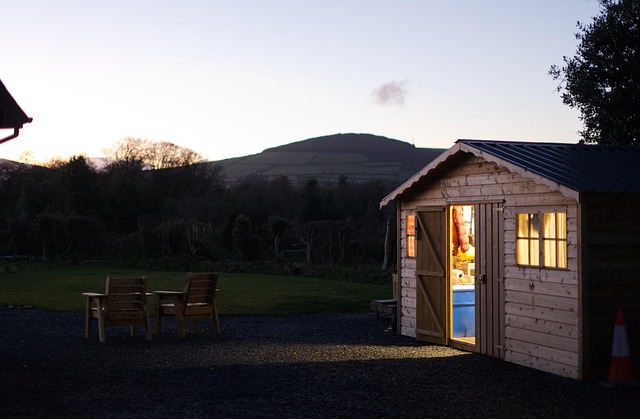
How Roofing Shed Design Transformed Calf Housing Efficiency in Scotland
How a Scottish Dairy Farm Slashed Labour Costs With an Innovative New Calf Shed Design
A Scottish dairy farm achieved a remarkable reduction in labour costs by rethinking its approach to calf housing. The key was a new roofing shed design that combined efficient airflow, natural lighting, and durable materials. By integrating modern engineering with animal welfare science, the farm not only improved calf health but also streamlined daily operations. This transformation illustrates how architecture and technology can directly influence productivity in livestock management.
Evolution of Calf Housing Design in Scotland
Calf housing in Scotland has evolved from simple timber sheds to complex structures designed for climate control and efficiency. This shift reflects broader changes in agricultural economics and welfare standards.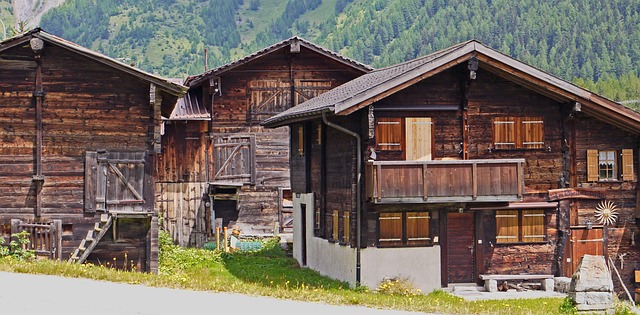
Traditional Approaches to Calf Housing
For decades, Scottish dairy farms relied on stone or timber barns with limited insulation. These traditional buildings often suffered from poor ventilation, leading to damp bedding and respiratory issues in calves. Cleaning such facilities required significant manual effort, increasing labour hours per animal. Many older sheds were adapted from multipurpose farm buildings rather than purpose-built for youngstock, restricting flexibility as herd sizes grew.
Common Challenges With Ventilation, Hygiene, and Labour Demands
In older setups, stale air accumulated quickly due to inadequate ridge openings or blocked side vents. Workers spent hours mucking out pens by hand because narrow aisles prevented mechanized cleaning. Moisture trapped under low roofs caused condensation on metal panels, accelerating corrosion and bacteria growth. These inefficiencies made it difficult to maintain hygiene standards consistently across seasons.
Limitations in Adapting Traditional Sheds to Modern Herd Management Needs
As dairy herds expanded, traditional sheds could not easily accommodate automated feeding systems or group pen layouts. Retrofitting them with modern ventilation fans or insulated panels proved costly and often ineffective. Many Scottish farmers recognized that without purpose-built facilities aligned with current welfare codes, operational costs would continue to rise.
The Drive for Innovation in Calf Housing
The push toward innovation came from necessity—economic pressure, workforce shortages, and rising welfare expectations forced farms to rethink design fundamentals.
Economic Pressures and Labour Shortages Prompting Design Innovation
Labour scarcity in rural Scotland meant that every hour saved through better layout translated directly into profitability. Farms began exploring open-span roofing shed designs that allowed machinery access for feeding and cleaning. By reducing manual handling time per calf, some operations reported labour savings of up to 30 percent within the first year of adopting new layouts.
Influence of Animal Welfare Standards on Housing Design Decisions
Animal welfare regulations now emphasize air quality, space allowance, and light exposure. Architects designing livestock buildings had to integrate these factors structurally rather than as add-ons. Proper ventilation reduces ammonia buildup while consistent daylight supports immune function—both critical for lowering disease incidence among calves.
Integration of Sustainability Goals Into Agricultural Infrastructure Planning
Sustainability targets encouraged the use of recyclable materials and energy-efficient lighting systems within calf sheds. Roofing geometry began serving dual purposes: improving airflow while maximizing solar gain during winter months. Some farms also incorporated rainwater harvesting systems into roof structures to reduce freshwater consumption.
The Role of Roofing Shed Design in Modern Dairy Infrastructure
Modern dairy infrastructure depends heavily on roof engineering because it dictates internal climate stability and long-term maintenance costs.
Structural Principles Behind Efficient Roofing Systems
Roof pitch determines how effectively warm moist air escapes through ridge vents while preventing rain ingress. Wider spans supported by lightweight trusses create unobstructed interiors suitable for mechanical equipment movement. Material selection—whether coated steel or composite panels—affects both durability and thermal performance across Scotland’s variable weather conditions.
How Roofing Geometry Affects Internal Climate Control and Condensation Management
A well-designed roof encourages continuous airflow without creating drafts at animal level. Steeper pitches promote natural convection currents that remove humidity before it condenses on cold surfaces. Incorporating insulated sandwich panels further stabilizes temperature fluctuations between day and night cycles.
Energy Efficiency Considerations Linked to Insulation and Natural Lighting
Insulated roofing reduces heat loss during winter while reflective coatings limit solar gain in summer. Translucent skylight strips or polycarbonate panels distribute daylight evenly across pens, cutting electricity use for artificial lighting by nearly half during longer days.
Transforming Calf Welfare Through Architectural Design
Calf welfare improved dramatically once environmental control became central to building design rather than an afterthought.
Ventilation and Airflow Optimization
Ridge vents combined with adjustable sidewall curtains allow steady air exchange even under calm wind conditions. This setup minimizes ammonia accumulation from bedding decomposition while keeping humidity below 75 percent—crucial for preventing pneumonia outbreaks in young calves.
Strategies to Minimize Ammonia Accumulation and Respiratory Stress in Calves
Positioning openings above head height prevents direct drafts yet maintains sufficient turnover rates of fresh air per hour. Using raised floors or slatted drainage systems helps separate waste moisture from bedding material, further reducing ammonia release near breathing zones.
Balancing Natural Ventilation With Protection Against Drafts and Weather Exposure
Scottish weather demands robust yet adaptable ventilation solutions. Adjustable curtains made from UV-stable fabric provide flexibility against sudden temperature drops or driving rain without compromising airflow consistency inside pens.
Light Management and Behavioural Benefits
Light plays a subtle but measurable role in calf development; architectural choices can amplify these benefits naturally.
Effects of Natural Daylight on Calf Growth Rates and Immune Function
Research shows calves exposed to longer daylight periods exhibit higher feed intake and better weight gain compared with those kept under dim artificial light conditions. Natural light also synchronizes circadian rhythms supporting stronger immune responses during early growth stages.
Incorporating Skylights or Translucent Panels for Uniform Light Distribution
Integrating skylights along ridge lines ensures even illumination throughout the shed interior without glare spots that stress animals or workers alike. Translucent roof sheets diffuse sunlight uniformly across all pens regardless of orientation.
Reducing Artificial Lighting Dependence Through Strategic Roof Orientation
Aligning roof ridges east–west maximizes morning-to-evening light coverage while minimizing overheating during midday peaks—a simple yet effective strategy for reducing power demand year-round.
Labour Efficiency Gains From Optimized Shed Layouts
Improved layout efficiency was one of the most tangible outcomes of the new roofing shed design adopted by progressive Scottish farms.
Streamlining Daily Operations Through Spatial Planning
Open-span roofs eliminated internal support columns allowing tractors or feed wagons direct access along central alleys. Workers could clean multiple pens mechanically instead of manually scraping waste—a major time saver during peak calving months.
Improved Workflow Efficiency Through Unobstructed Movement Paths
Clear sightlines across pens improved supervision efficiency; staff could monitor health status visually without entering each enclosure repeatedly. Reduced congestion points also lowered accident risks when handling livestock equipment simultaneously.
Reduction in Manual Handling Time per Calf Due to Better Accessibility Features
Design features like swing gates aligned with feed lanes shortened routine tasks such as bucket feeding or bedding replacement by several minutes per pen—small gains that accumulate significantly over large herds.
Maintenance Reduction Through Design Integration
Durability became a priority once farmers realized maintenance downtime directly affected operational continuity.
Roof Configurations That Facilitate Easy Cleaning and Drainage Management
Smooth-surfaced panels angled correctly allow rainwater runoff into designated gutters preventing pooling near structural joints where corrosion typically begins after prolonged exposure.
Minimizing Structural Wear Through Controlled Moisture Dispersion
Proper eave overhangs protect wall cladding from splashback while integrated ventilation ridges vent humid air before condensation damages insulation layers internally.
Longevity Benefits From Integrating Durable Materials Into Roofing Frameworks
Using galvanized steel frames combined with anti-condensation coatings extends service life beyond twenty years even under coastal humidity typical of western Scotland’s dairy regions.
Economic Impacts of Advanced Roofing Shed Design on Dairy Farms
The financial implications extend far beyond construction cost; they reshape long-term profitability models for modern dairies.
Cost-Benefit Analysis of Design Implementation
While initial investment may exceed traditional builds by 15–20 percent, operational savings through reduced labour input often offset this within five years depending on herd size scale efficiency metrics show payback periods shortening as automation increases integration levels across facilities
Quantifying Productivity Improvements Linked to Healthier Calf Environments
Lower morbidity rates mean fewer veterinary interventions translating directly into higher average daily liveweight gains per calf improved survival rates boost replacement heifer availability lowering external purchase dependency
Return on Investment Timelines Based on Herd Size and Facility Scale
Medium-sized farms housing 100–150 calves typically achieve ROI within four years whereas larger units benefit sooner due to economies derived from bulk procurement logistics efficiencies
Broader Implications for the Scottish Dairy Sector
Industry-wide adoption signals a shift toward data-informed infrastructure planning aligning economic viability with sustainability mandates set by national agricultural frameworks encouraging uniform performance benchmarks
Adoption Trends Among Progressive Dairy Operations Across Scotland
Leading cooperatives now specify minimum ventilation ratios insulation R-values when approving capital grants ensuring consistency between private investment public incentive programs
Contribution to Regional Sustainability Targets Through Energy-Efficient Structures
Energy-efficient roofing contributes measurable reductions in greenhouse gas emissions aligning sector outputs with regional carbon neutrality pathways outlined under government rural development strategies
Influence on Future Agricultural Building Regulations and Design Standards
Regulatory bodies increasingly reference empirical performance data gathered from pilot projects like this Scottish case when drafting next-generation building codes emphasizing resilience adaptability resource conservation principles
Integrating Technology With Roofing Shed Design Innovations
Technology integration marks the next frontier transforming static architecture into responsive living systems capable of self-regulation based on environmental feedback loops
Smart Monitoring Systems for Environmental Control
Sensors embedded along rafters continuously record temperature humidity ammonia concentration adjusting curtain positions automatically via actuators maintaining stable microclimates regardless external fluctuations
Automated Adjustments Improving Consistency in Calf Housing Conditions
Automation reduces reliance on human judgment minimizing variability between shifts producing more predictable growth outcomes essential for benchmarking herd performance analytics platforms aggregate readings guiding proactive maintenance scheduling decisions
Data-Driven Insights Guiding Continuous Facility Optimization
Collected data supports predictive modeling enabling architects engineers refine future iterations using evidence-based parameters closing feedback loop between design intent operational reality enhancing sector-wide learning capacity
Future Directions in Roofing Design for Livestock Efficiency
Emerging innovations promise even greater synergy between environmental responsibility economic resilience animal comfort over coming decade
Potential Integration of Solar Panels or Rainwater Harvesting Systems Into Roof Structures
Dual-purpose roofs combining photovoltaic arrays water collection channels transform passive surfaces into active resource generators offsetting utility expenses supporting circular resource management objectives within agricultural estates
Emerging Materials Offering Enhanced Insulation With Lower Embodied Carbon Footprints
Next-generation composites utilizing bio-based resins aerogel cores deliver superior thermal resistance at fraction weight conventional materials reducing embodied carbon intensity construction phase emissions footprint significantly
Collaborative Design Approaches Between Architects Engineers and Livestock Specialists for Next-Generation Facilities
Cross-disciplinary collaboration fosters holistic solutions where structural integrity animal physiology operational ergonomics converge producing facilities tailored precisely functional biological economic criteria simultaneously
FAQ
Q1: What was the main factor behind the farm’s labour cost reduction?
A: The adoption of an open-span roofing shed design allowed mechanized cleaning feeding reducing manual work time substantially across daily routines.
Q2: How did the new design improve calf health?
A: Enhanced ventilation daylight distribution reduced respiratory illness incidence improved weight gain consistency among housed calves throughout rearing period.
Q3: Are these roofing designs suitable for smaller farms?
A: Yes modular configurations enable gradual expansion letting smaller units invest incrementally without compromising structural performance standards initially established larger builds enjoy immediately
Q4: What materials are most recommended for longevity?
A: Galvanized steel frameworks paired insulated composite panels offer best balance durability corrosion resistance thermal stability under humid coastal climates typical northern regions
Q5: Can technology upgrades be retrofitted into existing sheds?
A: Environmental sensors automated curtain controls can integrate retroactively provided electrical infrastructure supports additional load making modernization feasible legacy structures too