
Can A Gothic Revival Style House Seamlessly Integrate With 1970s Architecture
This Brookline Home Proves a Gothic Revival and a ’70s Addition Can Actually Work Together
In Brookline, a striking gothic revival style house paired with a 1970s addition demonstrates that contrasting architectural languages can coexist without compromise. The project shows that when proportion, rhythm, and material logic are handled with precision, two seemingly opposing styles can form a continuous narrative. The vertical drama of the Gothic Revival finds balance in the grounded horizontality of the ’70s design. This synthesis is not about imitation but dialogue—where historical craftsmanship meets modern pragmatism, resulting in a residence that feels both timeless and alive.
Historical Context of Gothic Revival Architecture
The Gothic Revival emerged as an emotional response to industrialization, channeling nostalgia for craftsmanship and spiritual expression. It celebrated verticality and ornamentation as metaphors for aspiration and moral order.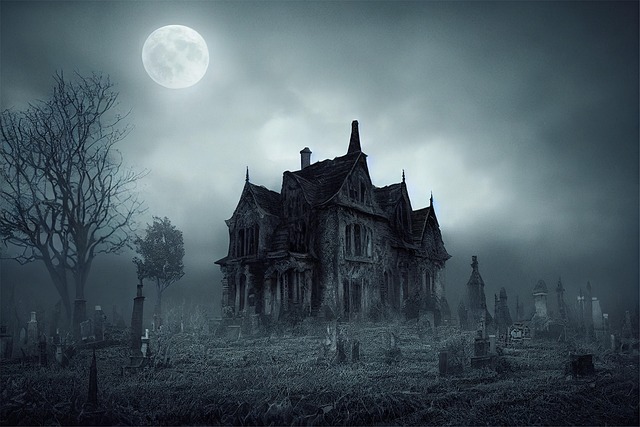
Origins in 19th-Century Romanticism and Its Emphasis on Verticality and Ornamentation
During the 19th century, architects revived medieval motifs to counteract mechanized uniformity. The movement’s romantic roots emphasized storytelling through architecture—each spire or finial symbolized human reach toward transcendence. In domestic architecture, this translated into steep gables, decorative bargeboards, and stained glass windows that filtered light into jewel tones.
Characteristic Elements Such as Pointed Arches, Tracery, and Steeply Pitched Roofs
A typical gothic revival style house displays pointed arches framing doors and windows, intricate tracery dividing panes into floral or geometric patterns, and steeply pitched roofs emphasizing vertical momentum. These features were not purely ornamental; they structured space to evoke awe within modest residential scales.
Symbolic and Cultural Associations That Shaped Its Residential Adaptation
Beyond aesthetics, the Gothic Revival carried cultural symbolism—piety, permanence, and connection to nature’s divine order. As urban expansion reshaped cities like Boston, homeowners adopted these motifs to express moral grounding amid change.
Defining the Architectural Language of the 1970s
The 1970s brought a radical shift from ornament to openness. Architects sought honesty in materials and blurred boundaries between interior and landscape.
Emphasis on Horizontal Lines, Open Plans, and Integration With Nature
Designers favored low-slung forms hugging the terrain. Open floor plans replaced compartmentalized Victorian layouts, while large glass walls invited natural light deep into interiors. This horizontality reflected social ideals of transparency and freedom rather than hierarchy.
Use of Modern Materials Like Concrete, Glass, and Exposed Wood
Concrete’s mass contrasted with expansive glazing; exposed wood softened its austerity. Together they formed tactile environments where structure became visible truth rather than concealed artifice.
Influence of Brutalism and Mid-Century Modernism on Residential Forms
Brutalism contributed structural candor—raw surfaces revealing construction logic—while mid-century modernism added warmth through organic integration. The result was architecture that valued function yet retained sensual tactility.
Reconciling Contrasting Design Philosophies
When merging these eras within one home, designers face tension between vertical aspiration and horizontal repose. Success depends on spatial choreography rather than stylistic mimicry.
Spatial Composition: Verticality Meets Horizontality
Aligning Gothic upward thrust with 1970s grounded massing requires measured transitions. Double-height atriums or stair halls can mediate scale shifts while preserving circulation clarity. Transitional zones—like glazed connectors—act as temporal bridges between centuries.
The Role of Transitional Spaces in Mediating Stylistic Tension
Glass corridors or courtyards soften abrupt contrasts by introducing neutral light-filled interludes. They allow each style to breathe while maintaining continuity through proportionate rhythm.
Balancing Asymmetry to Maintain Visual Coherence Across Eras
Both styles embrace asymmetry differently: Gothic through clustered volumes; 1970s design through planar shifts. Aligning their irregularities around shared axes or sightlines produces harmony without uniformity.
Material Continuity and Contrast
Material selection anchors visual unity across divergent vocabularies. Authentic restoration meets contemporary reinterpretation through texture dialogue.
Selecting Finishes That Bridge Ornate Gothic Detailing With Minimalist 1970s Textures
Combining carved oak panels with smooth concrete floors creates layered tactility—heritage meeting restraint. Subtle matte finishes prevent competition between intricate carvings and plain surfaces.
The Use of Color Palettes to Harmonize Stone, Wood, and Metal Surfaces
Neutral tones such as warm grays or muted browns tie stone façades to timber interiors. Metal accents—aged bronze or brushed steel—introduce quiet modern notes without disrupting historic resonance.
Integrating New Materials Without Erasing Historical Authenticity
Modern interventions should read as contemporary yet respectful insertions: thermally efficient glazing within original mullions or lightweight steel framing discreetly reinforcing masonry walls preserves integrity while enhancing performance.
Structural Integration and Technical Considerations
Technical reconciliation underpins aesthetic success; old masonry demands sensitivity when joined with modern systems.
Connecting Old Masonry With Modern Construction Techniques
Historic stonework often lacks tensile strength required by new loads. Engineers employ stainless-steel anchors or micro-reinforcement grouting to stabilize walls while allowing differential movement between materials.
Engineering Solutions to Align Differing Floor Levels, Rooflines, and Foundations
Laser scanning aids precision alignment where 19th-century irregularities meet modern geometry. Floating slabs or adjustable connectors absorb discrepancies without stressing fragile substrates.
Preserving Thermal Performance While Respecting Original Fabric Integrity
Insulation upgrades use breathable materials like lime-based renders that maintain vapor permeability—a critical factor for heritage masonry longevity under current energy codes (ISO 6946 thermal performance standards).
Lighting and Fenestration Strategies
Light becomes both structural tool and emotional link between eras when handled deliberately.
Adapting Large 1970s Window Openings Within a Gothic Framework
Expansive glazing must respect proportional hierarchies established by pointed arches. Framing divisions echo tracery rhythms so that scale feels consistent even when transparency increases dramatically.
Managing Natural Light to Enhance Both Architectural Vocabularies
Daylight modeling ensures illumination accentuates carved details without glare on polished concrete floors. Diffused skylights above stairwells recall clerestory effects in cathedrals but serve contemporary living needs.
Employing Glazing Technologies That Respect Period Aesthetics While Improving Efficiency
Low-emissivity coatings paired with slim-profile frames reduce heat loss yet preserve slender sightlines characteristic of historic fenestration standards (per IEC glazing efficiency guidelines).
Interior Synthesis: Crafting a Cohesive Living Environment
Inside this Brookline residence, spatial composition merges reverence with relaxation—a cathedral meets casual lounge under one roof.
Harmonizing Interior Volumes and Proportions
Lofty vaulted ceilings transition into low timber beams via intermediate mezzanines that compress then release space rhythmically—a spatial cadence reminiscent of musical phrasing rather than rigid symmetry.
The Role of Ceiling Treatments and Joinery in Achieving Continuity
Exposed trusses extend visually into adjacent flat ceilings using continuous grain direction in woodwork; joinery profiles subtly echo Gothic curves reinterpreted in minimalist geometry.
Visual Rhythm Through Repetition of Motifs Across Structural Transitions
Repetition binds disparate elements: lancet-shaped niches mirrored by rectangular window bays create visual echo bridging stylistic divides without literal replication.
Material Palette Within Interiors
Texture orchestrates tactile conversation across time periods inside the gothic revival style house addition ensemble.
Combining Carved Woodwork With Clean-Lined Cabinetry and Fixtures
Antique wainscoting coexists beside flush cabinetry finished in natural oak veneer—the grain continuity links past craftsmanship with present simplicity seamlessly.
Textural Layering to Convey Depth Without Visual Clutter
Layered finishes—plaster next to exposed brick or polished concrete beneath patterned rugs—add sensory richness yet retain composure through restrained color harmony.
Using Lighting Design to Highlight Craftsmanship From Both Periods
Directional LED fixtures emphasize hand-carved moldings while concealed strips wash over smooth planes; this dual illumination celebrates both ornamented history and modern clarity equally.
Landscape Integration as a Mediating Element
The site itself acts as moderator between architectural personalities through geometry, planting, and movement paths.
Site Planning That Unifies Architectural Eras
Terraced gardens align with both steep gables’ axes and low modern wings’ horizontals creating continuity from built form into terrain contours—a visual handshake across decades.
Planting Schemes That Echo Both Historical Formality and Modern Informality
Structured hedges near stone façades gradually dissolve into native meadow plantings around newer extensions symbolizing temporal evolution from order toward openness.
Outdoor Circulation Patterns Reinforcing Architectural Hierarchy
Pathways framed by pointed arch trellises lead naturally toward broad decks mirroring interior transitions from enclosed reverence to outdoor ease—a choreography linking memory with presence.
Lessons for Contemporary Architectural Practice
This Brookline example offers valuable guidance for architects confronting hybrid legacies elsewhere today.
Principles for Integrating Disparate Historical Styles
Authenticity arises from respect rather than replication: preserve each era’s voice but tune them harmoniously through shared proportion logic instead of decorative mimicry per conservation best practices (ICOMOS charters).
Employing Proportion, Rhythm, and Material Logic as Unifying Tools
When dimensions correspond—even abstractly—the viewer perceives unity subconsciously; rhythm bridges centuries more effectively than surface styling ever could.
Recognizing Temporal Contrast as an Opportunity for Architectural Dialogue Rather Than Conflict
Difference generates vitality: letting old stone meet new glass openly transforms contrast into conversation where history informs innovation rather than restraining it.
FAQ
Q1: How can architects merge historical styles like Gothic Revival with modern additions?
A: By focusing on proportion consistency, material dialogue, and transitional spaces that mediate differences without imitation.
Q2: What structural challenges arise when combining old masonry with new construction?
A: Differential movement between materials requires flexible joints or reinforcement systems designed per contemporary engineering codes such as ISO structural load standards.
Q3: How does lighting influence integration between historic and modern interiors?
A: Balanced natural light reveals textures from both eras while artificial lighting layers add depth without overpowering delicate details.
Q4: What role does landscape design play in uniting contrasting architectural forms?
A: Landscape geometry aligns building masses visually; planting transitions mirror stylistic evolution from formal heritage gardens to relaxed modern layouts.
Q5: Why is this Brookline home significant for future preservation projects?
A: It exemplifies how adaptive reinterpretation can honor historical authenticity while embracing functional modernization—a model for sustainable heritage living today.