
Are House Plans Barndominium Designs Redefining Modern Australian Living
Barndominiums: The American-Inspired Housing Trend Coming to Australia
Barndominiums are reshaping the Australian housing landscape by merging industrial efficiency with contemporary design. Originally conceived as practical barn conversions in rural America, they have evolved into sophisticated residences that appeal to Australians seeking affordable, flexible, and sustainable living. Their rise reflects broader shifts in housing economics, environmental awareness, and lifestyle preferences across regional and suburban markets.
The Emergence of Barndominiums in the Australian Housing Market
Australia’s growing interest in barndominiums mirrors a global architectural movement emphasizing simplicity, adaptability, and cost control. As conventional housing becomes increasingly expensive, these hybrid structures offer an appealing alternative for both homeowners and developers.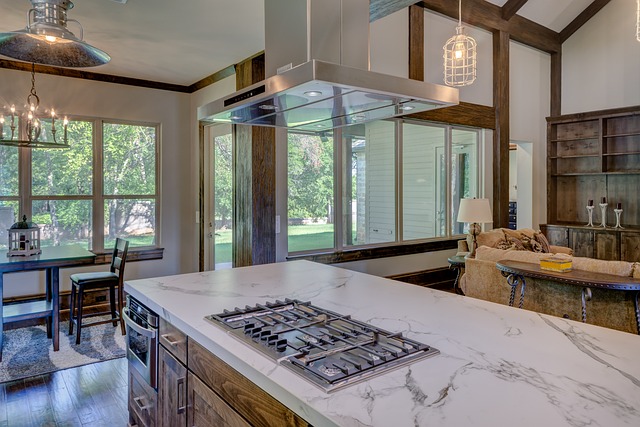
Origins and Global Influence of Barndominium Architecture
The barndominium concept began in the rural United States as a combination of barn utility and condominium comfort. Early examples were working barns converted into homes or workshops with open interiors and exposed steel framing. The architectural language centers on open-plan layouts, multifunctional zones, and the use of industrial materials such as corrugated metal and polished concrete. This aesthetic flexibility allows owners to blend rustic charm with modern minimalism while maintaining cost efficiency through prefabricated elements.
Factors Driving Adoption in Australia
Australia’s urban-rural divide has widened due to rising metropolitan land values and construction costs. This has encouraged buyers to explore alternative housing models like barndominiums that can be built on larger rural lots at lower cost per square meter. Their sustainable attributes—energy-efficient envelopes, recyclable materials, and modular scalability—align with national goals for greener building practices under the National Construction Code (NCC). Additionally, regional councils often provide more flexible zoning frameworks that accommodate mixed-use dwellings combining residence and workspace functions.
Architectural Characteristics of Barndominium House Plans
The architecture of house plans barndominium reflects a balance between structural practicality and spatial creativity. Each design leverages industrial engineering principles while allowing extensive customization for lifestyle needs.
Structural Design and Material Composition
Steel framing forms the backbone of most barndominiums due to its strength-to-weight ratio, resistance to termites, and durability under harsh Australian weather conditions. The large-span structure eliminates internal load-bearing walls, enabling versatile floor plan configurations ideal for workshops or open living areas. Expansive windows maximize daylight penetration while improving passive solar performance—a crucial factor for energy efficiency ratings under NatHERS standards.
Interior Layouts and Functional Adaptability
Inside, open-concept layouts dominate. These interiors can easily transition between domestic zones and professional spaces such as studios or small manufacturing areas. Mezzanine levels or lofts add vertical functionality without expanding the footprint, making them popular among designers seeking compact yet spacious environments. Modular construction techniques allow staged development: owners can begin with a core living area and later extend as budgets permit.
Sustainability and Energy Performance Considerations
Sustainability is central to the barndominium ethos. The combination of metal structure, efficient insulation systems, and renewable energy integration positions these homes as viable models for low-impact living across diverse climates.
Environmental Efficiency in Construction Materials
Recycled steel is frequently used in framing systems to reduce embodied carbon compared with timber alternatives. Metal cladding paired with composite insulation panels enhances thermal performance while maintaining low maintenance requirements over decades. Many designs incorporate rainwater harvesting systems and rooftop solar arrays—features consistent with Australia’s push toward net-zero building emissions by 2050 under IEA recommendations.
Thermal Regulation and Passive Design Strategies
Thermal comfort relies heavily on orientation planning that captures prevailing breezes for natural ventilation while minimizing heat gain through shading devices or extended roof overhangs. Insulated sandwich panels mitigate heat transfer across seasons, maintaining stable indoor temperatures even in regions subject to high diurnal variation. These passive strategies reduce reliance on mechanical cooling systems—a major contributor to household energy consumption in warmer states.
Economic Viability and Market Trends in Australia
Barndominiums appeal not only for their aesthetic but also their financial pragmatism. They deliver measurable savings during construction while supporting long-term affordability through reduced maintenance demands.
Cost Efficiency Compared to Conventional Homes
Prefabricated steel components accelerate assembly timelines by up to 30% compared with brick veneer homes. This shortens labor hours and minimizes exposure to weather delays common in traditional builds. Simplified slab foundations further reduce site preparation costs since steel frames distribute loads evenly across varied soil types. Although initial material costs may be higher than timber framing, reduced upkeep—no repainting or pest treatment—balances total lifecycle expenditure favorably.
Shifts in Consumer Preferences and Lifestyle Patterns
The pandemic-era shift toward remote work has increased demand for hybrid live-work environments—a natural fit for barndominium configurations that integrate office or workshop zones within residential footprints. Regional migration trends also play a role: professionals relocating from cities value the freedom of larger plots where such structures thrive. Customization flexibility attracts design-conscious buyers seeking alternatives to standardized suburban housing typologies.
Regulatory Frameworks and Building Compliance Challenges
While enthusiasm grows, regulatory navigation remains complex due to variations across jurisdictions. Builders must interpret local codes carefully to maintain compliance without compromising design intent.
Navigating Local Planning Regulations
Council approval processes differ widely between states depending on whether a barndominium is classified as residential or agricultural infrastructure. This classification affects fire rating requirements, setbacks, plumbing approvals, and occupancy certification pathways under the NCC framework. Developers often collaborate with private certifiers familiar with mixed-use projects to streamline documentation.
Engineering Standards and Certification Requirements
Structural integrity must comply with NCC Volume Two provisions covering wind loads (AS/NZS 1170 series), particularly relevant in cyclone-prone coastal zones of Queensland or Northern Territory. Energy efficiency assessments under NatHERS influence envelope design choices such as glazing ratios or insulation thicknesses during early planning stages. Meeting these technical benchmarks ensures both safety compliance and long-term performance reliability.
The Future Outlook of Barndominiums in Australian Architecture
Barndominiums are evolving from niche rural dwellings into legitimate architectural expressions within broader urban design discourse. Their adaptability aligns closely with emerging sustainability narratives shaping future residential development.
Integration into Contemporary Urban Design Paradigms
Architects are experimenting with barndominium-inspired forms within suburban infill projects—combining steel exteriors with minimalist geometries suited for smaller lots. Such hybrids introduce industrial textures into otherwise homogenous neighborhoods, enriching visual diversity while maintaining affordability targets set by developers responding to middle-income buyers.
Potential Influence on Broader Housing Trends
As modular fabrication technologies mature, lessons from barndominium construction may influence other sectors including medium-density townhouses or community co-housing schemes. By bridging vernacular rural aesthetics with modernist principles of efficiency, this trend challenges conventional definitions of luxury versus utility housing categories prevalent across Australia’s property market today.
FAQ
Q1: What defines a barndominium compared to other prefabricated homes?
A: A barndominium combines steel-frame barn architecture with residential amenities like kitchens and bathrooms within an open-plan structure designed for both living and working purposes.
Q2: Are barndominiums suitable for all Australian climates?
A: Yes, when properly insulated using composite panels and oriented for passive ventilation; they perform well from temperate coastal regions to arid inland zones.
Q3: How do house plans barndominium affect build time?
A: Prefabrication significantly reduces onsite labor duration since major components arrive pre-engineered for quick assembly.
Q4: Can existing barns be converted into compliant dwellings?
A: Conversion is possible but requires full structural assessment against NCC standards including fire safety upgrades before occupancy certification.
Q5: Do banks finance barndominium projects easily?
A: Financing can vary; some lenders treat them like standard residential builds if certified accordingly, though rural classifications may require specialized loan products.