
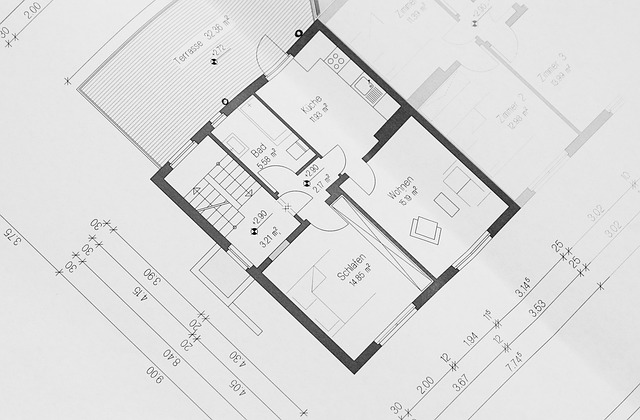
Are House Plans Contemporary Enough to Redefine Tiny Living in 2026
24 Tiny House Plans for 2026 That Prove Bigger Isn’t Always Better
The tiny house movement has matured into a sophisticated design frontier where contemporary house plans merge technology, sustainability, and comfort. By 2026, small-scale architecture is no longer about compromise but refinement. These homes demonstrate that efficiency, aesthetic precision, and livability can coexist in spaces under 400 square feet. The next generation of designs emphasizes flexibility, eco-conscious materials, and smart systems that redefine what “home” means in modern cities.
The Shift Toward Contemporary House Plans in Tiny Living
Tiny living has transitioned from a minimalist experiment to a mainstream architectural statement. As urban density rises and environmental awareness grows, designers are rethinking compact spaces with fresh eyes.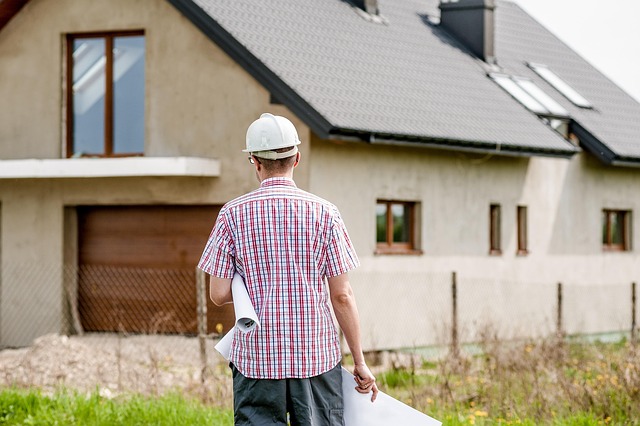
Understanding the Evolution of Tiny House Design
Modern architectural trends have profoundly influenced compact living. Early tiny houses often drew from rustic cabin styles or DIY minimalism; today’s iterations borrow from urban lofts and Scandinavian clarity. Clean lines, glass façades, and mixed textures replace reclaimed wood and vintage décor. This evolution mirrors broader residential trends where form follows function without sacrificing visual appeal.
Sustainability drives much of this shift. Architects integrate solar panels, recycled steel frames, and energy recovery systems to meet stricter environmental standards. Technology further amplifies this change—digital modeling tools now test airflow, sunlight exposure, and thermal performance before construction begins.
Defining “Contemporary” in the Context of Tiny Homes
In small-scale architecture, “contemporary” refers to adaptability and material honesty rather than fleeting fashion. Hallmarks include open layouts that dissolve boundaries between rooms, multifunctional furniture that conceals storage or unfolds into beds, and advanced composites that improve insulation while reducing weight.
These features respond to shifting lifestyles: remote work demands flexible interiors; urban professionals value sleek finishes over rustic charm; retirees seek low-maintenance efficiency without aesthetic compromise. The result is a new generation of house plans contemporary in both spirit and execution.
Architectural Innovations Driving Tiny House Plans for 2026
The upcoming wave of designs reveals how innovation transforms constraint into creativity. Emerging technologies are not just accessories—they shape the structure itself.
Integration of Smart Design Principles
AI-driven design platforms now simulate thousands of layout variations to find optimal light distribution and energy use. This data-centric approach yields homes that feel larger than their footprint suggests. Modular construction adds another layer: sections built off-site reduce waste and allow owners to expand later if needed.
Automation also redefines livability. Smart thermostats learn occupancy patterns; voice-controlled lighting adapts mood settings; compact HVAC systems maintain consistent air quality with minimal power draw. Together they create an environment both intuitive and efficient.
Sustainable Materials and Energy Efficiency Strategies
Eco-friendly materials anchor the next phase of tiny home design. Recycled aluminum framing resists corrosion while remaining lightweight; bamboo flooring offers durability with rapid renewability; low-VOC paints preserve indoor air quality.
Energy strategies evolve too. Passive solar orientation uses glazing angles to capture winter heat while shading summer sun. Vacuum-insulated panels outperform traditional foam boards at half the thickness. Photovoltaic shingles blend seamlessly into roofs, supplying enough power for daily use without external dependence—an essential feature for off-grid enthusiasts seeking long-term affordability.
Spatial Optimization in Contemporary Tiny Homes
Every inch counts inside a tiny home, yet spatial innovation transforms limitation into comfort. Designers increasingly treat space as dynamic rather than static.
The Role of Multifunctional Furniture and Adaptive Layouts
Convertible furniture defines modern micro-living: tables pivot into desks; sofas fold into queen beds; stair treads conceal drawers or pull-out pantries. These elements allow seamless transitions between work, leisure, and rest zones throughout the day.
Adaptive layouts go beyond furniture mechanics—they rely on movable partitions or sliding walls that reconfigure space instantly. Ergonomics plays a crucial role here: sightlines remain open to prevent claustrophobia, ceiling heights vary subtly to delineate functions without physical barriers.
Vertical Expansion and Creative Storage Solutions
Verticality is the new frontier for small-space design. Lofts reclaim cubic volume above living areas for sleeping or storage without enlarging footprints. Built-in cabinetry hides within wall cavities or beneath raised floors to preserve clean lines.
Designers balance utility with aesthetics carefully: exposed shelving doubles as art display; integrated lighting softens edges where storage meets structure. The result feels intentional rather than improvised—a hallmark of refined house plans contemporary in tone.
Lifestyle Implications of Contemporary Tiny Living Trends
Beyond architecture lies lifestyle transformation. Compact homes challenge traditional ideas of comfort yet deliver surprising richness through thoughtful design.
Redefining Comfort and Luxury in Small Spaces
Luxury no longer equates with size but sensory quality—natural light patterns, tactile materials, acoustic calmness. Premium finishes like quartz countertops or brushed metal fixtures elevate perception without excess cost due to smaller quantities required.
Psychologically, well-designed tiny spaces foster mindfulness: fewer possessions mean less distraction; proximity enhances connection among occupants. Personalization remains key—modular shelving or color palettes let residents imprint identity within minimal square footage.
Urban Adaptation and Community Integration
Tiny homes increasingly appear within city limits through adaptive zoning reforms allowing micro-lots or accessory dwelling units (ADUs). Developers experiment with clustered communities sharing gardens or workshops while retaining private quarters—a model echoing co-living but with higher autonomy.
Policy shifts support this momentum as municipalities recognize micro-housing’s potential to ease shortages without sprawling expansion. Socially integrated designs encourage interaction yet maintain privacy through acoustic zoning or staggered entryways—a delicate balance vital for urban harmony.
Future Outlook: Are Contemporary House Plans Ready to Redefine Tiny Living?
The coming years promise deeper convergence between technology, sustainability, and human-centered design philosophy in compact housing.
Predicting Design Directions Beyond 2026
Digital fabrication stands poised to revolutionize production efficiency—3D-printed wall panels reduce labor costs while enabling custom geometry impossible by handcrafting methods. Sustainable innovation continues through bio-based composites derived from agricultural waste offering strength comparable to concrete at lower carbon intensity (as noted by IEA’s 2024 Building Materials Outlook).
Market readiness grows steadily as younger buyers prioritize mobility over permanence and affordability over scale. Collaborative ventures among architects, engineers, and policymakers aim to standardize modular codes globally—a necessary step toward mass adoption of these advanced models by 2030 forecasts from Bloomberg Green Energy Reports suggest rising consumer confidence in prefabricated eco-homes parallels electric vehicle acceptance curves within similar demographics.
FAQ
Q1: What defines a contemporary tiny house plan?
A: It emphasizes open layouts, clean lines, smart materials, and adaptable interiors reflecting modern aesthetics rather than traditional rustic forms.
Q2: How do smart technologies enhance tiny home living?
A: Automation manages lighting, temperature, security, and energy use efficiently while maintaining comfort within limited space.
Q3: Are contemporary tiny houses environmentally sustainable?
A: Yes, most employ recycled materials, passive solar design principles, high-efficiency insulation systems, and renewable energy sources like rooftop photovoltaics.
Q4: Can these homes function effectively in urban environments?
A: With revised zoning laws allowing ADUs or micro-lots, they integrate smoothly into cities while promoting density without congestion.
Q5: What trends will shape post-2026 designs?
A: Expect wider use of digital fabrication methods such as 3D printing combined with bio-based materials supporting circular economy goals outlined by ISO sustainability frameworks for construction industries worldwide.