

Are Micro House Plans Transforming New York City’s Pre Approved Tiny Home Designs
New York City Adds Library of Pre-Approved Tiny Home Designs for Homeowners
New York City’s decision to introduce a library of pre-approved tiny home designs marks a pivotal shift in how urban housing can evolve within one of the world’s densest real estate markets. The initiative aims to simplify regulatory barriers, cut design costs, and accelerate the creation of sustainable micro dwellings that meet modern living standards. By aligning zoning reforms, modular construction, and environmental goals, the city is setting a model for adaptive housing policy that could influence other metropolitan regions facing affordability crises.
The Emergence of Pre-Approved Tiny Home Designs in New York City
The city’s move toward pre-approved micro house plans represents a convergence of design innovation and regulatory modernization. This framework is reshaping how architects, developers, and policymakers collaborate to address urban housing scarcity.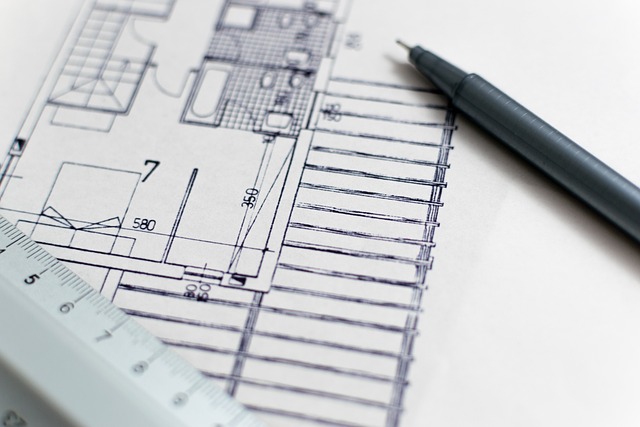
Regulatory Shifts Enabling Micro Housing Development
Recent zoning reforms have opened pathways for smaller residential footprints by relaxing minimum unit size requirements and introducing flexible use zones. Building code updates now accommodate modular structures, allowing micro house plans to be certified more efficiently. City planning departments are developing digital libraries where homeowners can select from pre-vetted blueprints that already comply with safety and accessibility codes. These efforts collectively reduce permitting timelines while maintaining quality control over construction standards.
The Role of City Planning Initiatives in Facilitating Pre-Approved Design Libraries
City agencies have begun curating collections of approved architectural templates designed by licensed professionals. These libraries act as a bridge between public policy and private development, offering transparent guidelines for builders. The approach not only accelerates project delivery but also minimizes administrative friction between applicants and regulators. It’s a pragmatic response to rising demand for compact living solutions within limited urban land availability.
How These Frameworks Aim to Accelerate Sustainable Urban Housing Solutions
By streamlining approvals through standardized designs, New York aims to promote rapid deployment of energy-efficient homes with reduced carbon footprints. Each plan integrates sustainable materials and passive design principles such as natural ventilation and daylight optimization. This regulatory model directly supports the city’s climate action targets while addressing affordability challenges through efficient construction processes.
Policy Objectives Behind Pre-Approved Tiny Home Models
The underlying policies behind pre-approved designs go beyond convenience—they reflect broader social and environmental objectives embedded in the city’s housing strategy.
Encouraging Affordable Housing Within Dense Urban Environments
Pre-approved micro house plans lower entry barriers for small-scale developers and individual homeowners by eliminating costly design iterations. This democratization of access can expand affordable housing supply across neighborhoods where traditional multi-unit projects face zoning or financial constraints.
Promoting Efficient Land Use Through Modular and Compact Design Principles
Compact architecture allows underutilized parcels—such as vacant lots or irregularly shaped plots—to host functional dwellings without extensive site modification. Modular fabrication further enhances scalability by enabling off-site assembly, reducing both waste and neighborhood disruption during construction.
Aligning City Housing Goals With Environmental and Social Sustainability Metrics
The initiative aligns with sustainability metrics defined by global frameworks like ISO 37120 on sustainable cities, emphasizing resource efficiency and livability. By embedding these standards into official design templates, New York integrates environmental accountability directly into its housing policy toolkit.
The Architectural Evolution of Micro House Plans
Micro architecture has evolved from experimental prototypes into a legitimate sector within urban development policy. Its growth reflects both technological progress and cultural adaptation toward smaller yet smarter living spaces.
Design Principles Defining Modern Micro Homes
Modern micro homes prioritize spatial efficiency through multifunctional layouts—folding furniture, convertible walls, and integrated storage systems maximize usability without sacrificing comfort. Natural light penetration is enhanced through strategic window placement, while cross-ventilation reduces mechanical cooling needs. Energy-efficient materials such as structural insulated panels improve thermal performance while keeping costs manageable.
Integration of Natural Light, Ventilation, and Energy-Efficient Materials
Architects emphasize biophilic elements that connect occupants with their environment despite limited square footage. Skylights, operable windows, and reflective surfaces create an illusion of openness while maintaining privacy in dense neighborhoods. Low-VOC finishes and recycled timber contribute to healthier indoor air quality—a small but meaningful improvement in compact living conditions.
Use of Modular Construction Methods for Scalability and Reduced Waste
Prefabrication technologies allow modules to be manufactured under controlled conditions before being transported for on-site assembly. This reduces material waste by up to 30% compared with conventional methods (as reported in industry data from IEA). Modular systems also enable future adaptability—units can be reconfigured or expanded as household needs evolve.
Innovations Emerging from Pre-Approved Design Libraries
The establishment of official design repositories has transformed how architects engage with regulatory frameworks while promoting consistency across projects citywide.
Standardization Enabling Faster Permitting and Reduced Design Costs
Pre-approved templates eliminate redundant plan reviews by incorporating all necessary compliance checks upfront. Developers benefit from predictable approval timelines, reducing financing risks associated with delays. For homeowners, this translates into lower professional fees since customization occurs within predefined structural limits rather than full redesigns.
Collaboration Between Architects, Engineers, and City Agencies in Plan Development
These libraries result from multidisciplinary collaboration where architects contribute creative flexibility while engineers validate technical feasibility under building codes such as ASCE 7 or NYC Construction Codes Chapter 28. The outcome is a portfolio balancing aesthetic diversity with structural reliability—a rare equilibrium in bureaucratic systems.
Influence of Digital Modeling Tools and BIM Systems in Plan Validation Processes
Building Information Modeling (BIM) platforms play a crucial role in verifying compliance before physical construction begins. Digital twins simulate performance metrics including energy use intensity (EUI) or daylight factor ratios, ensuring each plan meets sustainability benchmarks prior to approval submission.
Implications for Urban Housing Dynamics in New York City
Micro dwellings redefine what density means in practice—less about crowding more about intelligent space management within existing infrastructure limits.
Redefining Density Through Micro Living Concepts
Tiny homes challenge long-standing assumptions that high density equates to reduced quality of life. When designed thoughtfully, micro units can coexist harmoniously within established neighborhoods without overwhelming utilities or transportation networks. They offer residents autonomy often missing from large-scale apartment complexes.
Potential for Infill Development on Underutilized Lots Across Boroughs
Many boroughs contain residual parcels unsuitable for conventional buildings due to irregular shapes or zoning setbacks. Micro homes fit these gaps efficiently, transforming overlooked land into productive residential assets while preserving community character through scale-sensitive architecture.
Impacts on Neighborhood Character, Infrastructure Demand, and Community Integration
While some critics worry about transient occupancy patterns associated with small units, early pilot projects show strong community integration when developments include shared outdoor areas or co-living amenities that foster social interaction among residents.
Market Responses to the Micro Housing Movement
Market actors are rapidly adapting strategies around this new regulatory landscape where speed-to-market becomes a competitive advantage.
Developer Interest in Leveraging Pre-Approved Designs for Rapid Deployment
Developers recognize pre-approved micro house plans as an opportunity to diversify portfolios amid tightening margins on large projects. Smaller lot developments can now proceed swiftly under predictable cost structures appealing especially to mid-tier builders seeking low-risk ventures.
Shifts in Consumer Perception Toward Minimalist Living Models
Cultural acceptance is growing among younger demographics valuing mobility over material accumulation. Surveys indicate increasing willingness among renters to trade square footage for location proximity if design quality remains high—a trend mirrored globally across major cities like Tokyo or London.
Financial Implications for Lenders, Insurers, and Real Estate Valuation Frameworks
Financial institutions are recalibrating valuation models previously biased toward size metrics rather than functionality or sustainability credentials. Insurance providers also adjust risk profiles acknowledging factory-built modular components often exhibit higher consistency than site-built equivalents.
The Intersection of Technology and Policy in Tiny Home Implementation
Technology now acts as both enabler and monitor ensuring policy intent translates effectively into built outcomes measurable over time.
Digital Platforms Supporting Pre-Approval Processes
Online databases allow users to browse certified architectural plans categorized by lot type or energy rating class simplifying selection procedures significantly compared with traditional submissions reliant on manual review cycles managed through municipal offices’ permitting software integrations streamline compliance verification automatically cross-referencing code requirements during application intake stages analytics dashboards track adoption rates helping policymakers refine future updates based on performance data insights collected citywide
Sustainability Metrics Embedded in Micro House Plans
Each approved template incorporates baseline energy performance thresholds aligned with ENERGY STAR standards targeting 15–20% lower consumption relative typical new constructions renewable materials prioritized including FSC-certified wood water-saving fixtures mandatory across all variants contributing cumulative reductions municipal water demand over lifecycle projections estimated twenty years
Long-Term Contribution to New York City’s Climate Action Targets Through Scalable Micro Dwellings
Scaled deployment thousands micro units could collectively offset significant carbon emissions equivalent removing several thousand vehicles annually aligning directly local climate commitments under OneNYC2050 framework demonstrating tangible link between housing innovation environmental stewardship
Challenges and Future Trajectories for Micro Housing Adoption
Despite progress several technical governance hurdles remain shaping trajectory expansion beyond pilot phase
Addressing Regulatory Ambiguities and Infrastructure Constraints
Existing utility layouts often incompatible dispersed small-footprint developments requiring costly service extensions overlapping jurisdiction approvals among agencies slow implementation coordination improvements essential maintain momentum without compromising safety codes accessibility mandates critical uphold habitability standards set international benchmarks like ISO 21542
Navigating Overlapping Jurisdictional Approvals Across Municipal Agencies
Multiple departments oversee zoning fire safety sanitation leading procedural redundancies harmonizing workflows via unified digital interface proposed mitigate inefficiencies expedite decision-making cycles benefiting both regulators applicants alike
Balancing Innovation With Adherence to Safety Accessibility and Habitability Codes
Innovation cannot override occupant welfare adherence core principles universal design remains non-negotiable even smallest footprint environments meeting ADA criteria essential inclusive urban fabric future-proof resilient housing ecosystems
Prospects for Expanding the Pre-Approved Design Model Beyond NYC
New York’s experiment offers replicable blueprint adaptable other high-density cities confronting parallel affordability pressures globally
Potential Replication in Other High-Density Urban Centers Facing Housing Shortages
Cities like San Francisco Vancouver Singapore exploring similar frameworks leveraging modular prefabrication achieve rapid scalable interventions addressing acute shortages constrained land supply contexts comparable Manhattan Brooklyn borough typologies
Lessons From New York’s Approach Applicable to Regional or National Policy Frameworks
Key takeaway lies institutional collaboration transparency fostering trust between public private sectors replicating success requires consistent communication shared digital infrastructure underpinning approval mechanisms ensuring accountability across jurisdictions
Anticipated Evolution of Micro House Plans as Part of Broader Adaptive Housing Strategies
Future iterations likely integrate smart home technologies IoT-enabled monitoring adaptive reuse capabilities converting temporary installations permanent residences reflecting evolving demographic trends shifting economic realities shaping next generation metropolitan dwelling paradigms
FAQ
Q1: What qualifies a tiny home design as “pre-approved” in New York City?
A: It refers to architectural plans reviewed certified compliant with all applicable building zoning codes allowing expedited permit issuance without full resubmission process each project instance
Q2: How do pre-approved micro house plans support sustainability goals?
A: They embed energy efficiency renewable material use water conservation strategies directly within standardized templates ensuring measurable environmental benefits long term
Q3: Can homeowners customize pre-approved designs?
A: Limited customization permitted interior finishes minor layout adjustments provided structural envelope energy performance criteria remain unchanged preserving certification validity
Q4: Are there financing options specific tiny home developments?
A: Some local credit unions green banks offer tailored loan products recognizing modular units lower construction risk shorter completion times improving repayment reliability profiles
Q5: Could other U.S cities adopt similar pre-approved design programs?
A: Yes several municipalities studying NYC model potential adaptation regional contexts particularly where housing affordability constraints mirror metropolitan conditions found Northeast West Coast markets