
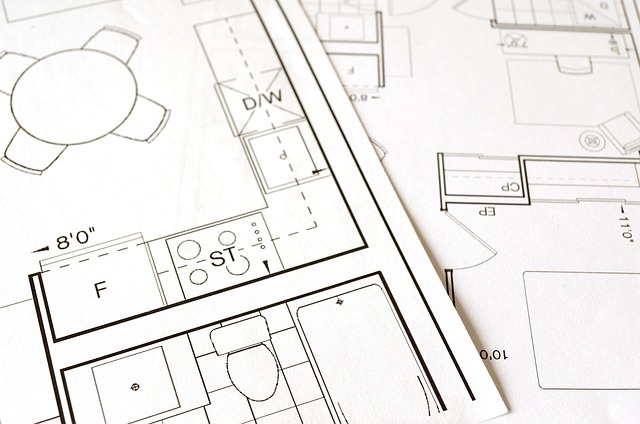
How Can a House Plan House Plan Transform Tiny House Efficiency
Tiny Houses, Modular Housing, Sustainable Architecture, Urban Planning, Affordable Housing
Tiny houses represent a shift toward compact living that balances environmental responsibility and human comfort. The success of such dwellings depends on a precise house plan that merges spatial logic with sustainability. Modular construction, renewable energy systems, and adaptive interiors have reshaped how efficiency is achieved in small footprints. Urban planners now view tiny housing as a viable response to density and affordability challenges. When combined with thoughtful design and community infrastructure, these homes offer both ecological and economic resilience.
The Role of a House Plan in Optimizing Tiny House Efficiency?
A house plan serves as the foundation for every decision that influences spatial flow, energy use, and long-term adaptability. In tiny homes, where each square foot counts, this plan becomes the blueprint for sustainable comfort.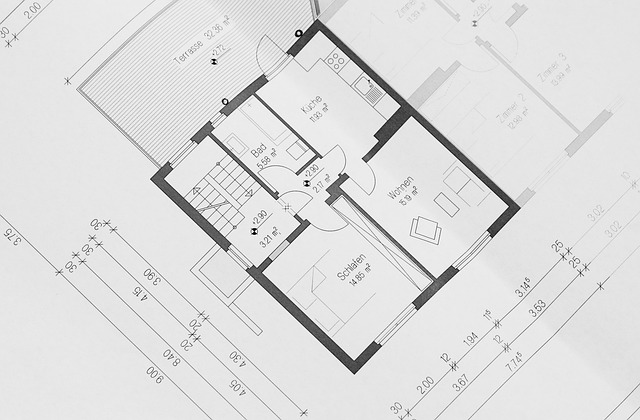
Spatial Efficiency in Tiny Homes
Efficient spatial design maximizes usability within limited square footage by organizing circulation paths and storage vertically rather than horizontally. Strategic zoning divides sleeping, cooking, and living areas using built-in furniture or sliding partitions instead of walls. Modular and multifunctional layouts—like a dining table that folds into a workspace—allow residents to adapt spaces throughout the day without clutter.
The Architectural Importance of a Detailed House Plan
A detailed house plan integrates structure, systems, and aesthetics into one cohesive framework. It reduces construction errors by anticipating conflicts between plumbing routes or load-bearing walls early in the process. This approach minimizes material waste and supports scalable design principles that accommodate future expansions or technological upgrades without major reconstruction.
Integrating Sustainable Architecture Principles into Tiny House Plans?
Sustainability in tiny homes extends beyond size reduction; it involves applying passive strategies and renewable technologies to achieve energy independence.
Passive Design Strategies for Energy Conservation
Passive design begins with proper orientation. South-facing windows capture winter sunlight while shading devices prevent summer overheating. Thermal mass materials like concrete floors stabilize indoor temperatures across seasons by storing heat during the day and releasing it at night. Thick insulation around walls and roofs further reduces reliance on mechanical systems for heating or cooling.
Renewable Energy Integration in Small Footprints
Tiny homes consume less power, making them ideal candidates for solar installations scaled to their needs. Compact battery storage systems enable off-grid living without compromising daily convenience. Smart management platforms monitor generation from panels and adjust consumption patterns automatically to maintain balance between supply and demand.
Modular Design Concepts for Enhanced Functionality?
Modular architecture streamlines both construction logistics and interior adaptability in small dwellings.
Prefabrication and Its Impact on Efficiency
Factory-built modules shorten build time while maintaining high quality control standards. Standardized components reduce resource waste since materials are cut precisely under controlled conditions. These modules can be transported easily to remote sites or rearranged later if owners relocate—an appealing flexibility rarely available in conventional housing.
Adaptive Interior Systems in Modular Tiny Homes
Foldable furniture like Murphy beds or retractable desks transforms rooms for multiple uses throughout the day. Built-in cabinetry conceals essentials while keeping sightlines clear to enhance spaciousness perception. Sliding partitions let occupants redefine zones quickly—from an open studio layout during gatherings to private nooks when solitude is needed.
Urban Planning Perspectives on Tiny Housing Integration?
Urban planners increasingly view tiny houses as part of broader strategies addressing housing shortages and sustainability goals.
The Role of Tiny Houses in Addressing Urban Density Challenges
Compact housing introduces diversity into urban neighborhoods where land scarcity limits traditional development forms. Infill projects using tiny homes utilize vacant lots efficiently while preserving community character. To make this viable at scale, zoning codes must evolve toward flexible dwelling definitions that accept smaller footprints without excessive regulatory barriers.
Infrastructure Considerations for Tiny House Communities
Shared utilities such as water treatment or waste management lower costs per household while minimizing environmental impact. Community-level renewable systems distribute solar power collectively across clusters of units for higher overall efficiency. Transportation planning also plays a role—integrating electric mobility options like the Nissan Leaf electric car complements these low-impact living models by reducing emissions beyond the home itself.
Economic and Social Dimensions of Efficient Tiny House Design?
Economic practicality intertwines with social livability when designing small-scale dwellings meant for long-term use.
Cost Optimization Through Intelligent Planning
A compact yet efficient floor plan minimizes structural complexity while maintaining comfort standards similar to larger residences. Simplified framing systems reduce both labor time and maintenance needs over decades of occupancy. Lower monthly energy bills from passive features translate into measurable lifetime savings that appeal to cost-conscious homeowners.
Enhancing Livability Without Compromising Scale
Comfort inside a small home depends on ergonomics more than size alone. Designers use natural light, bright color palettes, and open shelving to counteract visual confinement. Psychological well-being improves when layouts encourage movement flow rather than obstruction. Beyond individual units, shared courtyards or common rooms promote social connection among residents—turning micro-living into community living rather than isolation.
FAQ
Q1: How does a house plan influence energy performance in tiny homes?
A: It determines orientation, window placement, insulation thickness, and system integration—all key factors affecting heating and cooling loads.
Q2: Are modular tiny houses durable enough for long-term habitation?
A: Yes, prefabricated modules often meet the same building codes as conventional structures when engineered properly with weather-resistant materials.
Q3: Can renewable energy fully power a tiny home?
A: In most climates yes; appropriately sized solar arrays combined with efficient appliances can sustain off-grid operation year-round.
Q4: How do urban planners incorporate tiny houses into city zoning?
A: Many cities introduce accessory dwelling unit (ADU) ordinances or pilot infill programs allowing smaller structures within existing residential zones.
Q5: What role does transportation play in sustainable tiny living?
A: Integrating electric vehicles such as the Nissan Leaf electric car within shared charging networks supports low-carbon mobility aligned with eco-friendly housing principles.