
Are Barn House Style Homes Driving the Barndominium Boom in Connecticut
Why Barndominiums Are Popping Up Across Connecticut
Across Connecticut, barn house style homes and barndominiums are reshaping the residential landscape. Their rise is not a passing fad but a reflection of deeper economic, cultural, and architectural shifts. Buyers are drawn to these designs for their spacious layouts, rustic-modern appeal, and adaptability to both rural and suburban settings. Builders appreciate their efficiency and lower costs compared to conventional homes. With zoning flexibility and evolving design technologies, Connecticut’s housing market has become fertile ground for this hybrid form of living that merges heritage with innovation.
The Emergence of Barn House Style Homes in Connecticut
Connecticut’s barn-inspired residences trace their roots to centuries-old agricultural traditions. Yet what once served as functional farm structures now inspires some of the state’s most desirable modern homes.
Historical Context of Barn-Inspired Architecture
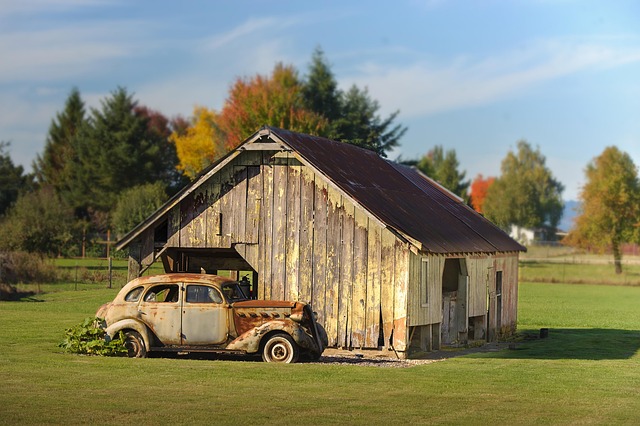
The barn aesthetic reflects New England’s agrarian past, where simple forms and practical layouts defined rural life. Traditional post-and-beam construction—massive timber frames joined by mortise-and-tenon joints—has influenced today’s architectural vocabulary. Many developers repurpose historic barns into residences, preserving weathered wood and original beams while integrating modern comforts. This adaptive reuse movement not only conserves materials but also honors local craftsmanship that shaped early Connecticut communities.
Modern Interpretation of the Barn House Concept
Modern barn houses reinterpret rustic simplicity through contemporary materials like steel cladding, glass walls, and polished concrete floors. Open floor plans replace compartmentalized interiors, creating fluid spaces ideal for entertaining or remote work. Industrial finishes mix with reclaimed textures to attract buyers seeking authenticity without sacrificing luxury. Energy-efficient systems—geothermal heating, triple-glazed windows, solar-ready roofs—are now standard features that enhance performance while maintaining visual harmony with the countryside.
Understanding the Barndominium Phenomenon
While barn-style homes celebrate tradition, barndominiums push the concept further by merging residential comfort with functional versatility. Their rise across Connecticut signals a shift toward flexible living environments.
Defining the Barndominium
A barndominium combines living quarters with expansive open areas suitable for workshops, studios, or recreational zones. Typically built using metal or hybrid framing systems, these structures balance cost efficiency with long-term durability. Their clear-span interiors allow homeowners to customize layouts freely—some dedicate half the space to living areas and half to hobbies or small business operations. This adaptability resonates strongly in regions where lifestyle diversity meets practical necessity.
The Economic and Practical Appeal of Barndominiums
Cost remains a key driver behind barndominium popularity. Construction expenses are often 20–30% lower than traditional stick-built homes due to simpler framing methods and reduced labor time. Maintenance demands are minimal; metal exteriors resist pests, rot, and weathering common in New England climates. Over decades, this translates into substantial savings on repairs and energy use. The flexibility to build on larger rural parcels or edge-of-town lots also supports Connecticut residents seeking both space and accessibility.
Market Dynamics Fueling the Growth in Connecticut
The state’s housing market is evolving as demographics shift toward remote professionals and environmentally conscious buyers who value efficient design over excess square footage.
Shifts in Buyer Preferences and Lifestyle Choices
Many homeowners now prioritize multifunctional environments that accommodate work-from-home setups alongside leisure activities. Barn house style homes meet these needs through open interiors adaptable for offices or fitness areas without major renovations. Minimalist yet spacious aesthetics align with sustainable living principles gaining traction among younger buyers. Moreover, proximity to cities like Hartford or New Haven allows residents to enjoy rural calm while staying within commuting distance of urban opportunities.
Influence of Land Availability and Zoning Regulations
Connecticut’s rural zoning policies often permit flexible building types such as barndominiums on agricultural or mixed-use land parcels. Larger lots facilitate integration of garages, storage wings, or livestock facilities within a single structure—an advantage over denser suburban neighborhoods constrained by stricter codes. Some municipalities are updating ordinances to recognize nontraditional housing models formally, signaling institutional acceptance of this growing segment.
Architectural Characteristics Distinguishing Barn House Style Homes
Design innovation plays a crucial role in making these properties desirable beyond their nostalgic appeal.
Key Design Elements Driving Popularity
Signature features include exposed beams spanning vaulted ceilings that amplify natural light through oversized windows or sliding glass doors. Neutral color palettes paired with organic materials—oak floors, stone fireplaces, linen furnishings—create an understated elegance that feels both rustic and refined. Indoor-outdoor transitions via patios or decks blur boundaries between home and landscape, celebrating Connecticut’s rolling hillsides and seasonal scenery.
Structural Innovations Supporting Functionality and Efficiency
Hybrid frameworks combining steel skeletons with timber accents provide strength without visual heaviness. Structural insulated panels (SIPs) enhance thermal performance across varying New England temperatures while reducing energy consumption year-round. Smart home technologies—from zoned climate control to automated shading—integrate seamlessly into these builds, offering convenience without detracting from architectural authenticity.
The Role of Builders, Architects, and Developers in the Trend
Behind every successful barn house project lies collaboration among design professionals who balance creativity with construction pragmatism.
Collaboration Between Design Professionals and Clients
Architects reinterpret classic barns through modern spatial logic: open kitchens flowing into great rooms rather than separate stalls once used for livestock. Builders employ prefabricated components that shorten timelines yet maintain craftsmanship standards expected by discerning clients. Developers identify niche markets seeking distinctive architectural identity—often retirees downsizing from estates or entrepreneurs relocating from city apartments seeking creative live-work environments.
Marketing Strategies Highlighting Barn House Appeal
Effective marketing emphasizes heritage-inspired modern living rather than novelty architecture alone. Visual storytelling across digital channels showcases craftsmanship details like hand-hewn beams or bespoke ironwork alongside lifestyle imagery evoking comfort amid nature. Community developments increasingly brand themselves around authenticity themes—sustainable luxury rooted in regional history—to attract high-value buyers disenchanted with uniform suburban design.
Future Outlook for Barndominiums in Connecticut’s Housing Market
Looking ahead, several factors suggest continued momentum tempered by structural challenges inherent in evolving real estate ecosystems.
Anticipated Trends in Design and Construction Practices
Expect broader adoption of eco-friendly materials such as cross-laminated timber (CLT) aligned with statewide sustainability objectives under programs like the Connecticut Green Building Council’s initiatives referencing IEA guidelines on carbon reduction targets (IEA 2023). Modular assembly methods will make customization faster while reducing waste during fabrication stages. Integration of renewable systems—solar arrays paired with battery storage—is poised to become standard specification rather than optional upgrade within five years.
Potential Challenges Impacting Long-Term Growth
However, rising land valuations near metropolitan corridors could limit affordability for middle-income households interested in barndominiums as primary residences. Regulatory discrepancies between municipalities might complicate permitting processes until unified state-level frameworks emerge. Finally, maintaining genuine architectural character while embedding advanced amenities remains a delicate balancing act; over-modernization risks diluting the very charm that defines barn house style homes’ enduring appeal.
FAQ
Q1: What makes barn house style homes different from traditional farmhouses?
A: Barn house style homes emphasize open interiors and exposed structural elements inspired by agricultural buildings but executed with modern materials like steel and glass for durability and light-filled spaces.
Q2: Are barndominiums cheaper to build than conventional houses?
A: Yes, they typically cost less because metal framing reduces labor hours and material waste while simplifying maintenance over time.
Q3: Do zoning laws in Connecticut support building barndominiums?
A: In many rural zones they do; however regulations vary by municipality so early consultation with local planning boards is essential before purchase or construction begins.
Q4: How energy efficient are modern barn houses?
A: Most incorporate insulated panels, smart thermostats, and renewable systems achieving energy performance comparable to certified green buildings under current ISO efficiency benchmarks.
Q5: Who tends to buy these properties?
A: Buyers range from remote professionals seeking flexible live-work setups to retirees desiring low-maintenance country living close enough for city access yet surrounded by open land.