

Can Shop House Plans Improve Accessibility When Converting to a Sweet Shop
Plans To Convert House Into Sweet Shop With Disabled Access Ramp
Converting a residential property into a sweet shop with an integrated disabled access ramp requires precise planning, technical assessment, and compliance with accessibility laws. The most successful conversions merge architectural integrity with modern retail needs. A well-prepared plan not only simplifies regulatory approval but also improves customer inclusivity and operational efficiency. Every design choice—from ramp gradient to lighting—affects both functionality and brand image. When executed properly, such projects transform traditional homes into profitable, accessible commercial spaces that retain their charm while meeting today’s retail standards.
Understanding Shop House Plans in Commercial Conversions
Before diving into the structural changes, it is vital to grasp how shop house plans support dual-use spaces where commerce and living coexist. This hybrid model has gained traction in dense urban areas seeking efficient land use.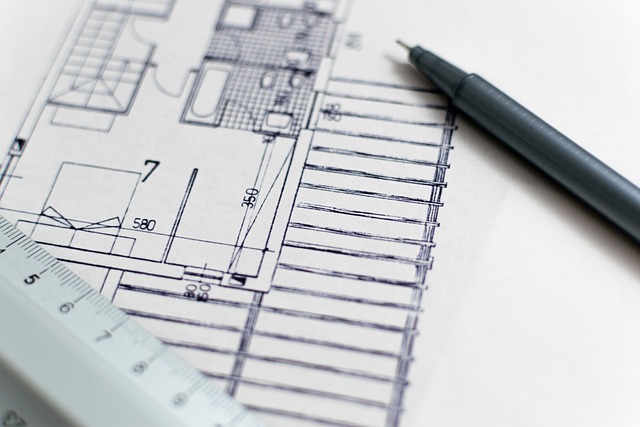
The Concept of Shop House Design
Shop houses combine living quarters and business areas within one building. They are commonly found in city centers where space is limited but commercial demand is high. Their flexible layouts make them ideal for specialty shops such as confectioneries or bakeries. Sweet shops particularly benefit from this model since production, display, and sales can occur under one roof without compromising aesthetics or hygiene.
Architectural Considerations for Conversion Projects
A structural survey is the first step in any conversion. Engineers must assess load-bearing walls, floor capacities, and ceiling heights to confirm they meet retail requirements. Electrical wiring often needs upgrading to handle refrigeration units or display lighting, while plumbing adjustments accommodate sinks or wash stations required for food handling. Attention to these details ensures both safety and compliance with local construction codes.
Integrating Accessibility into Shop House Plans
Accessibility should never be an afterthought; it defines how inclusive a business truly is. By integrating ramps, wider doorways, and tactile signage early in the design phase, owners avoid costly retrofits later.
Legal and Regulatory Requirements for Accessibility
Most countries enforce accessibility standards similar to the Americans with Disabilities Act (ADA). These regulations specify ramp slopes, doorway widths of at least 32 inches, and restroom dimensions that allow wheelchair turning radii. Documentation proving adherence to these standards is essential before occupancy permits are issued. Inspections by certified officers confirm physical compliance before opening day.
Designing an Effective Disabled Access Ramp
A properly designed ramp provides independence for customers using mobility aids while maintaining visual harmony with the façade.
Ramp Gradient and Dimensions
The recommended slope ratio of 1:12 remains widely accepted; that means one inch of rise per twelve inches of run. Landings at both ends offer resting points and maneuvering space. In tight urban plots, switchback ramps can save space without breaching gradient limits.
Materials and Surface Treatments
Concrete remains a preferred material due to its durability and low maintenance cost. Treated steel or composite decking may be used where aesthetic consistency matters more. Non-slip finishes are crucial—especially near entrances exposed to rain—to prevent accidents during busy hours.
Interior Layout Modifications for Accessibility
Inside the sweet shop, aisles should allow at least 36 inches of clearance for wheelchairs. Service counters might include a lowered section around 34 inches high to serve seated customers comfortably. Clear directional signs with high contrast colors assist visually impaired visitors in navigating between product displays and seating zones.
Balancing Aesthetic Appeal with Functional Design in a Sweet Shop Conversion
The challenge lies in merging old-world charm with modern usability. Retaining heritage elements while introducing new systems requires careful coordination between designers and contractors.
Maintaining the Character of the Original Structure
Preserving original moldings or window frames maintains authenticity while signaling respect for local architecture. Adaptive reuse strategies allow modern installations—like HVAC ducts or LED lighting—to blend seamlessly without altering key structural components.
Enhancing Customer Experience Through Thoughtful Design
Good design makes customers linger longer—a crucial metric in retail success.
Lighting and Spatial Flow
Soft ambient lighting paired with focused spotlights enhances product visibility without glare. Open floor plans help distribute foot traffic evenly, reducing congestion during peak hours like holidays or festivals when sweet shops experience surges in demand.
Material Choices and Hygiene Considerations
Food-grade stainless steel counters resist corrosion from sugar residues common in candy preparation areas. Flooring materials such as vinyl composites provide easy cleaning while maintaining visual continuity across zones from kitchen to display area.
Incorporating Sustainability into Shop House Conversions
Modern conversions increasingly prioritize sustainability alongside profit goals. Energy-efficient systems now play a central role in reducing operational costs over time.
Energy-Efficient Systems Integration
Installing LED fixtures lowers electricity consumption by up to 75% compared with incandescent bulbs. Smart thermostats connected to efficient HVAC units adjust temperature automatically based on occupancy patterns—keeping sweets fresh without wasting energy during off-hours.
Sustainable Building Materials and Practices
Using recycled tiles or reclaimed wood supports circular economy principles while reducing embodied carbon emissions from new materials. Water-saving faucets in restrooms contribute further savings on utilities—a small but measurable improvement over years of operation.
Planning Workflow for Converting a House into a Sweet Shop with Accessibility Features
Turning concept into reality demands structured coordination among professionals across disciplines—from zoning experts to accessibility consultants.
Preliminary Assessment and Feasibility Study
Zoning checks confirm if commercial activity is permissible on-site; some residential zones restrict retail operations entirely or limit signage size. Site surveys reveal existing foundation conditions that may affect ramp installation feasibility or equipment placement inside kitchens.
Collaboration Between Architects, Engineers, and Accessibility Consultants
Early collaboration avoids conflicting specifications later on.
Coordinated Design Development Process
Architects refine spatial flow between kitchen prep zones and front-end service counters while engineers verify structural stability under added loads like refrigerated displays or storage racks near walls modified for ramps.
Construction Phase Management and Quality Assurance
Routine inspections during construction confirm compliance with accessibility laws at each milestone—from concrete curing stages of ramps to final door hardware installation ensuring proper clearance widths.
Addressing Specialized Needs: Product Storage and Safety in Sweet Shops
Sweet production involves sensitive ingredients requiring stable environments free from contamination risks.
Temperature Control and Ventilation Requirements
Air circulation prevents humidity buildup that can ruin sugar-based products like fudge or pralines. Insulated storage rooms maintain consistent temperatures below 25°C even during summer peaks—a critical factor for product longevity.
Safety Protocols in Food Handling Areas
Separating cooking zones from public sections prevents cross-contamination incidents regulated under food safety laws such as ISO 22000 standards. Installing fire suppression sprinklers above fryers or ovens reduces potential hazards significantly during continuous production cycles common before festive seasons.
Summary Insights on Using Shop House Plans for Accessible Sweet Shops Conversion
Structured planning transforms ordinary homes into thriving retail landmarks that attract diverse clientele through inclusive design principles. Properly executed shop house plans streamline permit approvals while boosting brand reputation through visible commitment to accessibility—a value increasingly appreciated by modern consumers conscious of equity in public spaces.
FAQ
Q1: What permits are required before converting a home into a sweet shop?
A: Local zoning approval followed by building code compliance certification is mandatory before obtaining trade licenses or health department clearance for food handling operations.
Q2: How long does constructing an access ramp typically take?
A: Depending on material choice and site conditions, most small-scale ramps can be completed within two weeks including curing time for concrete surfaces.
Q3: Can heritage-listed homes undergo such conversions?
A: Yes, but modifications must adhere to preservation guidelines set by local heritage councils ensuring no irreversible alterations occur on protected façades or interiors.
Q4: What flooring works best inside sweet shops?
A: Non-slip vinyl composite tiles offer durability against sugar spills while meeting hygiene codes enforced under commercial kitchen regulations.
Q5: Is unscented lotion for tattoo aftercare relevant during construction work?
A: Workers handling heavy tools sometimes use unscented lotion for tattoo protection since scented variants may irritate skin exposed to dust or cleaning agents common on renovation sites.