
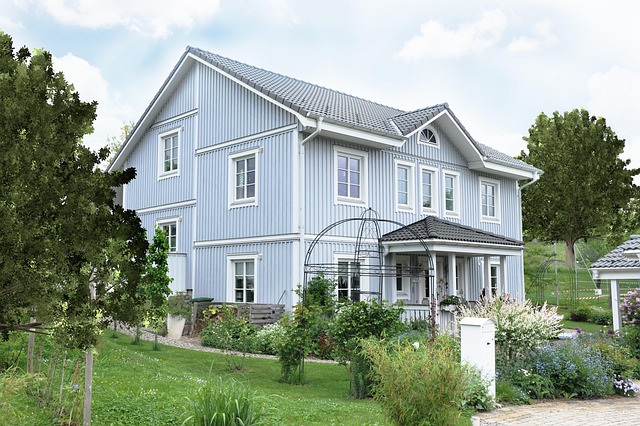
How Can Design Split Level House Concepts Redefine Singapore Urban Living
Inside a Singapore House That Turns Its Split-Level Layout Into a Design Advantage
Split-level architecture has become a refined response to Singapore’s dense urban conditions. By layering living zones vertically, these homes transform spatial limitations into design opportunities. The approach balances privacy, ventilation, and light in ways that conventional layouts rarely achieve. In Singapore, where land scarcity drives innovation, the design split level house model demonstrates how vertical zoning can create both intimacy and openness within compact footprints.
The Architectural Definition and Evolution of Split-Level Homes
Split-level architecture emerged during the mid-20th century as a suburban alternative to single-story ranch houses. It offered distinct functional zones without requiring large plots of land. Over time, this format adapted to tighter urban contexts, evolving into a tool for spatial efficiency and architectural expression.
Origins of Split-Level Design and Its Adaptation to Urban Environments
The split-level concept first appeared in North America in the 1950s, responding to sloping sites and growing suburban families. Architects discovered that staggered floor levels could separate public and private areas while maintaining visual connection. As cities densified globally, the model migrated into urban housing—particularly in regions like Singapore where maximizing vertical space became essential.
Key Spatial and Structural Characteristics That Distinguish Split-Level Houses
A typical split-level home features multiple short stair flights connecting half-levels. Each zone—living, dining, sleeping—occupies its own elevation but remains visually linked through open voids or double-height spaces. Structurally, this requires careful coordination of floor slabs and load-bearing walls to maintain continuity while allowing flexibility in layout.
How Vertical Zoning Creates Functional Separation Within Compact Spaces
Vertical zoning divides activities by level rather than by partition walls. This allows compact homes to feel larger because sightlines remain open across levels. In Singapore’s narrow terrace houses, such zoning helps delineate noisy social zones from quiet retreats without sacrificing cohesion.
Why Split-Level Concepts Resonate in Singapore’s Urban Landscape?
Singapore’s high-density environment demands inventive spatial strategies. The split-level approach aligns with the city-state’s planning ethos: efficient land use combined with quality living standards.
The Relationship Between Limited Land Availability and Vertical Spatial Planning
With average residential plot sizes shrinking below 200 square meters in many districts, stacking functions vertically becomes almost inevitable. Split-level layouts allow architects to fit more usable space within height restrictions while preserving natural light penetration.
Adaptation of Split-Level Design to Narrow Plots Typical of Singapore Housing
Many landed homes sit on plots less than six meters wide. Traditional two-story plans often feel enclosed; introducing half-levels breaks monotony and enhances airflow. A mid-level mezzanine can serve as a study overlooking the living area below—an arrangement common in contemporary design split level house projects across Singapore.
The Role of Architectural Innovation in Maximizing Light, Ventilation, and Privacy
Architects employ skylights above stairwells or clerestory windows along upper walls to channel daylight deep into interiors. Staggered floors also encourage cross-ventilation by aligning openings on different planes. This passive strategy reduces reliance on air-conditioning while maintaining privacy between floors.
Spatial Efficiency Through Vertical Zoning
The success of split-level architecture lies in its ability to compress diverse activities into limited footprints without compromising comfort or clarity of space.
Optimizing Space Utilization in Dense Urban Settings
By stacking semi-private spaces above communal ones, residents enjoy clear functional separation even within small plots. Living areas occupy intermediate levels for easy access; bedrooms rise higher for seclusion; service zones anchor the base level near gardens or courtyards.
Layering Functions (Living, Sleeping, Working) Across Levels for Efficiency
In practice, a three-half-level configuration might place the kitchen-dining zone at ground level, living room half a flight up, and bedrooms another half-flight above that. This rhythm supports daily movement patterns naturally—less walking yet more variety within the same volume.
Integration of Circulation Routes That Maintain Openness While Defining Zones
Circulation paths are often expressed through sculptural staircases or bridges suspended over voids. These elements guide flow while framing views between levels. When executed precisely, they turn movement itself into an architectural experience rather than mere transition.
Enhancing Flow and Connectivity Between Levels
Well-designed split-level homes avoid fragmentation by maintaining visual coherence between tiers.
Use of Partial Floor Separations to Maintain Visual Continuity
Partial slabs leave gaps that allow light and sightlines to pass through multiple stories. A family member cooking below can still converse with someone reading above—a subtle but powerful connector in daily life.
Strategic Placement of Staircases as Both Connectors and Design Statements
Staircases become focal points rather than hidden utilities. Floating treads or open risers amplify transparency; timber or steel finishes define character depending on context—modern minimalism or tropical warmth.
Balancing Privacy With Interaction Through Transitional Spaces
Half-landings often double as reading nooks or display shelves—small gestures that mediate between public and private realms. These pauses soften transitions while maintaining intimacy across household members.
Light, Air, and Openness: Environmental Benefits of Split-Level Design
Environmental performance is integral to the appeal of split-level layouts in tropical climates like Singapore’s.
Maximizing Natural Light Penetration Across Levels
Vertical voids channel sunlight downward through skylights positioned at roof peaks or along stair cores. Reflective surfaces such as polished concrete floors or white-painted walls help distribute brightness evenly throughout interior volumes.
The Role of Split Levels in Reducing Dependency on Artificial Lighting
Because daylight reaches deeper into rooms via staggered sections, artificial lighting needs diminish during daytime hours—a measurable energy saving particularly relevant under Singapore’s sustainability goals aligned with BCA Green Mark standards (aligned with ISO 50001 energy management principles).
Use of Reflective Materials and Glazing to Enhance Brightness Throughout the Home
Low-emissivity glazing moderates heat gain while preserving illumination quality. Mirrors strategically placed near stairwells multiply perceived space without structural change—a trick many architects use subtly but effectively.
Promoting Natural Ventilation in Compact Urban Plots
Good airflow is crucial under tropical humidity; split levels encourage it naturally through geometry rather than mechanical systems.
Cross-Ventilation Achieved Through Staggered Floor Plates and Open Risers
Offset floors create pressure differences that draw air upward when windows align correctly across elevations—a principle consistent with passive cooling models studied by IEA Building Energy Research programs (IEA Annex 80).
Passive Cooling Strategies That Reduce Energy Consumption
High ceilings over mid-level living zones collect warm air away from occupants; ceiling fans assist circulation without heavy electricity use compared with full HVAC systems.
Integration With Singapore’s Tropical Climate Considerations in Design Execution
Eaves extensions shield glazed façades from direct sun while allowing rain protection during monsoon periods—a balance between openness and resilience suited for equatorial conditions.
Aesthetic and Psychological Dimensions of Split-Level Living
Beyond functionality lies emotional resonance—the sense of discovery embedded within vertical progression defines much of its charm.
Creating Visual Depth and Architectural Interest
Elevation changes introduce layered perspectives similar to theatrical staging; one perceives scenes unfolding across multiple planes simultaneously—a quality prized by interior photographers for its dynamism.
Material Transitions Emphasizing Level Differentiation While Maintaining Cohesion
Architects often shift materials subtly between levels: timber flooring transitions into terrazzo at stair thresholds; textured plaster gives way to smooth paint upstairs—signaling shifts without abrupt contrast.
Spatial Rhythm Created by Alternating Ceiling Heights and Floor Depths
The alternation produces rhythm akin to musical phrasing—quiet compression followed by expansion—keeping occupants engaged subconsciously as they move through space.
Psychological Perception of Space in Vertical Arrangements
Human perception responds strongly to height variation; it shapes how comfort is felt even before one measures area size.
How Split-Level Layouts Influence User Experience and Spatial Perception
Moving up half a flight creates anticipation akin to entering new territory yet still belonging within one home volume—a subtle hierarchy reinforcing order without rigidity.
Sense of Progression, Discovery, and Hierarchy Within Multi-Tiered Interiors
Children perceive each landing as their own domain; adults appreciate how sound travels softly between tiers rather than echoing flatly across single planes—a lived richness absent from uniform floors.
Emotional Comfort Derived From Distinct Yet Connected Living Zones
The coexistence of separation and connection mirrors human relationships themselves—close yet independent—which perhaps explains why multi-generational families find such layouts especially adaptable in Singaporean culture.
Integrating Modern Technology Into Split-Level House Design
Contemporary construction technologies complement these complex geometries effectively when planned holistically from early stages.
Smart Home Systems Adapted to Multi-Level Layouts
Networked sensors manage lighting intensity per floor based on occupancy data streams compliant with IEEE 802.15 wireless protocols for building automation networks—ensuring coordination across vertical layers seamlessly.
Networked Control Systems Ensuring Seamless Functionality Across Vertical Zones
Centralized hubs distribute climate control signals evenly despite differing ceiling heights or solar exposure per tier—maintaining comfort consistency throughout stacked volumes.
Energy Management Tailored to Multi-Level Circulation Patterns
Energy monitoring platforms analyze consumption per level enabling fine-grained adjustments that align with ISO 50001 frameworks for continuous improvement cycles within domestic settings.
Structural Innovations Supporting Complex Layouts
Engineering precision underpins aesthetic freedom in multi-tier configurations typical of high-end design split level house projects today.
Use of Lightweight Materials for Upper Floors to Reduce Structural Load
Steel framing combined with cross-laminated timber panels cuts weight significantly compared with reinforced concrete decks—allowing greater cantilevers over voids without excessive foundation stress per Eurocode EN 1995 guidelines (timber structures).
Prefabrication Techniques Enabling Precision in Complex Geometries
Digital fabrication methods using BIM coordination reduce onsite errors when assembling offset slabs or custom stair modules—a practice increasingly standard among Singaporean contractors seeking productivity gains under BCA directives for DfMA (Design for Manufacture & Assembly).
Integration of Sustainable Building Technologies Without Compromising Aesthetics
Photovoltaic panels integrated into roof glazing supply renewable energy discreetly while maintaining sleek visual lines—a synthesis between sustainability targets and architectural elegance rarely achieved before recent material advances.
Redefining Urban Living Through Split-Level Architecture in Singapore
Singapore’s housing evolution continues toward compact yet expressive forms; split-level typologies embody this transition vividly across landed estates and cluster developments alike.
The Role of Split-Level Homes in Shaping Future Residential Typologies
As density intensifies further under URA master plans promoting vertical diversity, these houses contribute alternative typologies bridging detached comfort with urban efficiency—a hybrid model adaptable beyond local boundaries too.
Encouraging Adaptable Living Arrangements for Multi-Generational Families
Multiple half-floors enable grandparents’ suites near entry levels while younger members occupy upper tiers independently yet remain connected visually—a configuration aligning naturally with Asian familial values emphasizing proximity balanced by respect for privacy.
Influence on Emerging Trends Toward Vertical Flexibility in Domestic Architecture
Developers increasingly adopt flexible floor plates allowing future conversion between duplexes or co-living units reflecting shifting demographics toward smaller households but higher expectations for individuality within shared structures.
Cultural and Lifestyle Implications for Singaporean Residents
Architecture here reflects lifestyle aspirations as much as technical ingenuity—it narrates how people wish to live amid constraint yet retain identity through form-making choices shaped by climate, culture, economy alike.
Alignment With Contemporary Urban Lifestyles Emphasizing Flexibility and Privacy
Young professionals favor multi-tier interiors offering workspace separation from rest areas without expanding footprint size—a pragmatic luxury consistent with modern telecommuting habits post-pandemic era realities observed globally per Bloomberg housing trend analyses (2023).
Reflection of Local Values Such as Family Cohesion Within Compact Spaces
Spatial layering encourages shared gathering points interspersed among private retreats mirroring collective routines found traditionally but reinterpreted through modern aesthetics rooted firmly within tropical materiality palettes like teak screens or natural stone finishes common regionally today.
Potential for Redefining What “Space” Means in the Context of High-Density Cities Like Singapore
Ultimately these dwellings challenge conventional metrics measuring comfort solely by square footage instead demonstrating qualitative richness achievable through sectional creativity redefining urban domesticity itself under global scrutiny toward smarter compact living paradigms aligned with sustainable futures envisioned worldwide by UN-Habitat frameworks (SDG11).
FAQ
Q1: What makes a split-level house suitable for narrow plots?
A: Its staggered layout fits multiple functions vertically rather than horizontally, ideal where width is limited but height potential exists within zoning limits.
Q2: How does a split-level layout improve ventilation?
A: Offset floors generate pressure differentials that drive natural airflow upward when openings align correctly across elevations.
Q3: Are split-level homes more expensive to build?
A: They require precise structural coordination which may raise initial cost slightly but yield long-term value through energy savings and flexibility benefits.
Q4: Can smart home systems operate effectively across multiple levels?
A: Yes; wireless networks following IEEE standards allow synchronized control over lighting, climate, and security regardless of floor separation distances.
Q5: Why are split-level designs gaining popularity again?
A: Rising land costs push architects toward creative vertical planning solutions offering individuality without expanding footprint size—a balance perfectly suited for cities like Singapore today.