
Is An Edwardian Building The Right Architectural Choice For Scarborough College
Scarborough College: Historic School’s Plan to Build Edwardian-Style Sports Pavilion
Scarborough College’s proposal for an Edwardian-style sports pavilion reflects a deliberate architectural and cultural decision. The project aims to blend the institution’s historic fabric with modern functionality, reinforcing its heritage identity while accommodating contemporary needs. By adopting the Edwardian style, the college seeks not only aesthetic harmony but also symbolic continuity with early 20th-century ideals of progress and civic pride. This approach, if executed with sensitivity to materials, proportion, and sustainability, could enhance both the campus’s architectural coherence and its long-term strategic value.
Understanding the Edwardian Architectural Context
The Edwardian period produced a distinctive architectural vocabulary that combined classical order with emerging modern sensibilities. For educational institutions such as Scarborough College, this context offers both inspiration and responsibility—to interpret tradition without imitation.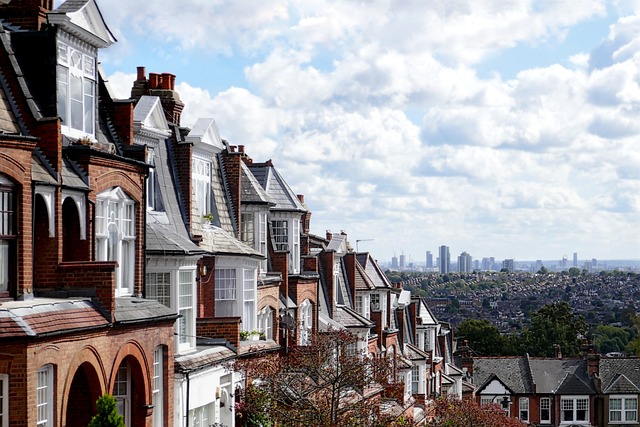
Key Characteristics of Edwardian Architecture
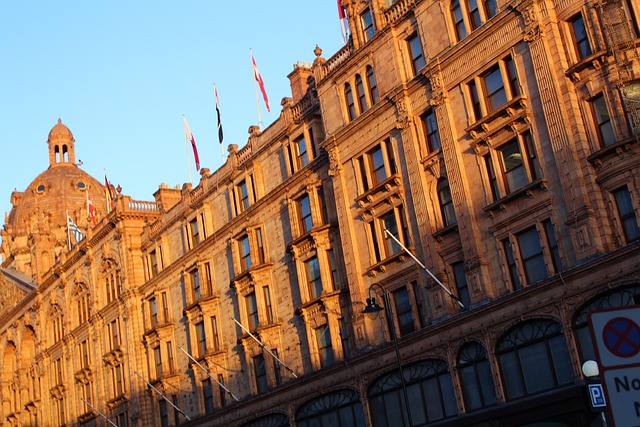
Edwardian architecture is marked by symmetry and proportion derived from classical precedent. Red brick and stone façades dominate, often complemented by generous sash windows that invite light into interior spaces. The influence of the Arts and Crafts movement introduced handcrafted details—terracotta panels, timber porches, and ornate ironwork—that celebrated craftsmanship over industrial uniformity. Rooflines tend to be less steep than Victorian predecessors, creating a lighter visual profile suitable for civic or educational buildings.
Historical Relevance in Educational Institutions
Schools built during the Edwardian era prioritized openness and natural illumination, reflecting pedagogical shifts toward healthier learning environments. Many designs incorporated large windows and high ceilings to promote ventilation—a direct response to public health concerns of the time. Symbolically, these buildings represented stability and optimism; their balanced compositions conveyed authority without austerity. Because of this adaptability, Edwardian design became common in institutional typologies such as grammar schools, libraries, and pavilions.
Assessing Scarborough College’s Architectural Heritage
Scarborough College occupies a landscape rich in historical layering. Its built environment illustrates transitions from Victorian formality to early modern pragmatism. Any new addition must therefore engage critically with this heritage rather than merely replicate it.
Existing Architectural Landscape of Scarborough College
The college’s campus exhibits a blend of late Victorian masonry structures and early 20th-century expansions. Local materials—particularly Yorkshire stone and red brick—anchor these buildings within their regional context. Decorative motifs like gables, bay windows, and modest cornices contribute to a sense of academic tradition without ostentation. Maintaining stylistic coherence across such a site is essential; even minor deviations in proportion or color tone can disrupt visual balance.
Compatibility Between Edwardian Design and Current Campus Aesthetics
An Edwardian-style pavilion can complement existing structures through shared materiality and rhythm. The use of red brick coursing or stone dressings would visually link old and new wings. However, differences in ornamentation—such as more elaborate cornices or verandas—require careful modulation to avoid contrast that feels contrived. The challenge lies not in replication but interpretation: applying Edwardian principles of symmetry and craftsmanship within a contemporary construction framework that respects both context and function.
Functional Considerations for an Edwardian-Style Sports Pavilion
Beyond aesthetics, the pavilion must perform as a modern sports facility capable of meeting safety regulations, accessibility codes, and energy targets—all while retaining period character.
Balancing Aesthetic Authenticity with Modern Utility
Traditional forms like pitched roofs or colonnaded verandas can conceal advanced structural systems that meet today’s standards for seismic stability or insulation performance. Accessibility features such as ramps or lifts should be discreetly integrated within symmetrical layouts rather than appended externally. Energy-efficient glazing can replicate the appearance of sash windows while improving thermal control—a subtle but vital adaptation for year-round use.
Spatial Planning Principles in an Edwardian Context
Symmetry remains central to spatial organization in an edwardian building. A central entrance axis might divide changing rooms on either side, leading toward open viewing terraces aligned with playing fields. Large window openings ensure daylight penetration deep into interior zones—consistent with both historic ideals and modern sustainability criteria under ISO 16813 for building environment design. Covered verandas or arcades act as transitional buffers between indoor facilities and outdoor pitches, offering spectators shelter without breaking stylistic unity.
Sustainability Implications of an Edwardian Architectural Approach
Reinterpreting heritage architecture through sustainable design requires reconciling traditional materials with contemporary environmental goals—a task increasingly guided by international standards like ISO 14001 on environmental management systems.
Material Selection and Environmental Performance
Brick and stone remain durable choices but must now be assessed for embodied carbon content and sourcing ethics. Using reclaimed materials from local quarries aligns with low-carbon strategies promoted by IEA building sector reports on resource efficiency. Modern insulation layers can be inserted behind restored façades without altering external appearance, improving U-values significantly while preserving authenticity.
Integration of Green Technologies within a Heritage Framework
Renewable systems such as heat pumps or solar arrays can be integrated into roof planes where they remain visually unobtrusive from key sightlines—a technique endorsed by several UK heritage retrofit case studies under Historic England guidance notes. Smart lighting controls may further reduce operational energy demand while maintaining ambient character consistent with traditional interiors.
Cultural and Institutional Significance of Choosing an Edwardian Style
Architecture conveys institutional identity as powerfully as curriculum does pedagogy. For Scarborough College, adopting an Edwardian idiom signals respect for its lineage while projecting confidence in its future trajectory.
Symbolism in Educational Architecture
An edwardian building expresses continuity with Britain’s academic legacy—rational order tempered by decorative refinement. Such symbolism reinforces values of discipline balanced by creativity, aligning well with holistic education philosophies prevalent today. The pavilion thus becomes more than infrastructure; it acts as a narrative device linking generations through shared visual language.
Community Perception and Stakeholder Engagement
Local communities often associate historic styles with authenticity and permanence. Engaging alumni groups or neighborhood associations early in design discussions helps sustain collective ownership over campus evolution. Transparent communication about how traditional aesthetics coexist with sustainability ambitions fosters trust among stakeholders who might otherwise view heritage revivalism as regressive rather than progressive.
Evaluating Long-Term Value for Scarborough College’s Campus Development Strategy
Strategic campus planning considers not only immediate utility but also lifecycle performance—financially, environmentally, culturally.
Maintenance, Longevity, and Cost Implications
Edwardian detailing demands skilled maintenance; timber joinery or lead flashing require periodic attention compared to synthetic alternatives. Yet such craftsmanship yields longevity that offsets higher initial outlay over decades of service life analysis under ISO 15686 standards for building durability assessment.
Strategic Role in Campus Master Planning
Positioned strategically along pedestrian routes or adjacent playing fields, the pavilion could anchor spatial hierarchy across campus precincts. Its rhythmic colonnade might echo proportions found elsewhere on site, reinforcing cohesion through repetition rather than mimicry. Over time this addition could strengthen Scarborough College’s cultural capital within North Yorkshire’s educational landscape—a tangible expression of tradition evolving responsibly into modernity.
FAQ
Q1: Why did Scarborough College choose an Edwardian style for its new pavilion?
A: The style aligns with existing campus heritage while symbolizing academic continuity and civic pride rooted in early 20th-century ideals.
Q2: How will sustainability be addressed within the Edwardian design?
A: Modern insulation methods, efficient glazing systems, and discreet renewable technologies will enhance performance without altering appearance.
Q3: What challenges arise when integrating historical aesthetics with modern codes?
A: Ensuring accessibility compliance, fire safety measures, and structural resilience often requires hidden adaptations beneath traditional forms.
Q4: Will local materials be used in construction?
A: Yes; sourcing regional brick or stone supports both environmental goals and visual consistency across campus buildings.
Q5: How does this project contribute to Scarborough College’s long-term vision?
A: It strengthens architectural identity while providing functional infrastructure that supports sport participation and community engagement well into the future.