
What Defines Adobe House Style in the Context of Taos High-Desert Design
In Taos, N.M., They Searched for Adobe Style and High-Desert Views
In Taos, adobe house style is more than a regional aesthetic—it is a living expression of culture, climate, and craft. Rooted in centuries-old techniques adapted to the high desert, adobe construction embodies both sustainability and artistry. The town’s architecture merges Indigenous traditions with Spanish colonial influences, resulting in forms that feel sculpted from the earth itself. Today, architects in Taos reinterpret these foundations through modern materials and spatial openness while preserving the tactile warmth and environmental intelligence that define adobe’s enduring appeal.
Architectural Foundations of Adobe House Style
The architectural identity of Taos is inseparable from its material origins. Adobe’s evolution reflects adaptation to geography, resource availability, and cultural continuity.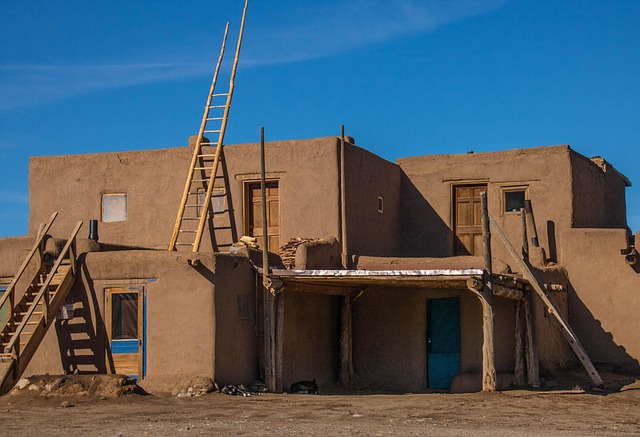
Historical Roots of Adobe Construction in the American Southwest
Adobe architecture emerged among Indigenous Pueblo communities long before European contact. These early builders shaped sun-dried earthen bricks from local clay mixed with straw and sand. When Spanish settlers arrived in the 16th century, they adopted and refined these methods, introducing courtyard layouts and lime plasters. Over time, this fusion produced a distinctive Southwestern vernacular: massive walls that moderated temperature extremes and flat roofs designed to shed minimal rainfall. Cultural motifs—such as vigas (exposed wooden beams) and nichos (wall recesses)—became integral expressions of faith, craftsmanship, and community identity.
Core Structural Principles of Adobe Design
At its core, adobe construction relies on earthen materials for both structure and insulation. Thick load-bearing walls composed of clay-rich soil provide exceptional thermal mass, absorbing heat by day and releasing it at night. This natural regulation suits Taos’s wide temperature swings. Flat roofs supported by timber beams reduce wind exposure while maintaining a low silhouette against the horizon. The result is an architecture inherently responsive to its environment—quietly efficient long before energy codes existed.
The Aesthetic Language of Adobe Architecture in Taos
Beyond its practicality, adobe communicates a visual language shaped by proportion, texture, and light—qualities that give Taos homes their sculptural calm.
Defining Characteristics of Form and Proportion
Adobe structures are distinguished by rounded corners and softly contoured transitions between walls and ceilings. Their low-slung profiles echo the surrounding mesas, creating visual harmony with the desert terrain. The simplicity of form avoids ornamentation yet achieves balance through careful massing and rhythm. Even minor irregularities—hand-troweled surfaces or uneven plaster lines—contribute to an organic authenticity rarely found in industrial construction.
Materiality and Texture in High-Desert Contexts
Surface treatment defines much of adobe’s sensory appeal. Earth-toned plasters derived from local soils shift hue as sunlight changes throughout the day—from pale ochre at dawn to deep sienna at dusk. These finishes are not purely decorative; they protect earthen walls from erosion while allowing them to breathe. Handcrafted details such as carved lintels or embedded stones sustain a lineage of local artisanship that continues to inform contemporary practice.
Integration with the Taos Landscape and Climate
In Taos design philosophy, buildings are not imposed upon the land—they emerge from it through deliberate orientation, material selection, and ecological awareness.
Site Orientation and Environmental Responsiveness
Traditional adobe homes align along solar axes to capture winter sun while shielding interiors from summer glare. South-facing windows admit light deep into rooms when warmth is needed most. Courtyards enclosed by thick walls create microclimates offering shade, privacy, and ventilation. Such passive strategies minimize mechanical dependence while enhancing comfort year-round—a principle still central to sustainable building today.
Relationship Between Built Form and Natural Surroundings
Adobe architecture visually dissolves into its environment through color continuity with native earths. Rooflines trace mesa contours; portals frame distant mountain views or open skies rather than ornamental gardens. Landscaping favors drought-tolerant plants like sagebrush or chamisa that reinforce ecological balance instead of competing with it. This seamless integration gives Taos neighborhoods their timeless serenity even as new houses rise nearby.
Contemporary Interpretations of Adobe Style in Taos Design Practice
Modern architects in Taos face a dual challenge: preserving tradition while meeting structural codes and lifestyle expectations of contemporary living.
Reimagining Traditional Techniques with Modern Materials
Today’s builders often use stabilized adobe blocks fortified with small amounts of cement for strength against moisture damage. Some combine earthen walls with steel or concrete frameworks to meet seismic standards without losing tactile character. These hybrid systems maintain the visual softness of traditional adobe while extending durability—a pragmatic evolution rather than aesthetic compromise.
Spatial Organization in Modern Adobe Homes
Contemporary layouts reinterpret historic enclosures into open-plan spaces suited for modern life. Clerestory windows introduce daylight deep into interiors without overheating them; skylights punctuate ceilings once supported solely by vigas. Sliding glass doors extend living areas toward patios or courtyards, blurring boundaries between interior comfort and desert expanse—a dialogue between permanence of earth walls and fluidity of light.
Cultural Continuity and Artistic Expression in Adobe Architecture
In Taos, architecture exists within an artistic ecosystem shaped by painters, sculptors, and craftspeople who have long drawn inspiration from its forms.
Influence of Taos Art Colony on Architectural Identity
Since the early 20th century, artists settling in Taos have influenced local design sensibilities by treating adobe not merely as shelter but as sculpture in situ. Their experimentation encouraged architects to explore plasticity—walls that curve like brushstrokes or niches that hold both art and shadow. Preservation initiatives emerging from this artistic community have helped safeguard historic districts where built heritage coexists with creative innovation.
Symbolism and Sense of Place in High-Desert Design Philosophy
Adobe embodies more than technique; it symbolizes endurance within transience—a structure born from earth yet animated by shifting light. For residents of Taos, these houses express communal values: respect for nature’s limits, humility before landscape scale, continuity across generations. Each wall tells a story written not just by builders but by climate itself—a quiet testament to how human craft can coexist gracefully within elemental forces.
FAQ
Q1: Why is adobe house style so prevalent in Taos?
A: Because local soils provide ideal materials for earthen construction, making adobe both practical for insulation needs and culturally resonant within regional traditions.
Q2: How does adobe perform in extreme temperatures?
A: Its high thermal mass stabilizes indoor climates by storing heat during day hours then releasing it slowly overnight—particularly effective in arid high-desert regions like northern New Mexico.
Q3: Are modern adobe homes structurally safe under current codes?
A: Yes; stabilized adobes or hybrid frames incorporating steel reinforcement now meet safety standards while preserving traditional aesthetics.
Q4: What maintenance challenges come with owning an adobe home?
A: Regular re-plastering is required every few years to protect against moisture infiltration; however, repairs remain relatively simple due to locally available materials.
Q5: How does adobe architecture contribute to sustainability?
A: It minimizes energy use through passive solar design principles and relies on renewable natural resources sourced near building sites—reducing both embodied carbon and operational demand over time.