

How Can Guest Bedroom Decor Reflect Sustainable Interior Design Principles
Bedroom, Interior Design, Wellness, Minimalism, Sustainability
Sustainable guest bedroom design merges aesthetic refinement with environmental ethics. The most effective interiors today are not only visually balanced but also resource-conscious. Professionals in interior design now view sustainability as a measurable performance metric rather than a decorative trend. By integrating renewable materials, energy-efficient systems, and wellness-oriented furnishings, designers can create guest rooms that express calm while minimizing ecological impact. This approach aligns with both environmental standards and the growing expectation for responsible hospitality spaces.
Integrating Sustainability Into Guest Bedroom Design
The sustainable guest bedroom is more than a visual statement; it is a system of interrelated choices that affect comfort, health, and longevity. Each design decision—from lighting to fabrics—carries environmental consequences that professionals must evaluate through both lifecycle and sensory lenses.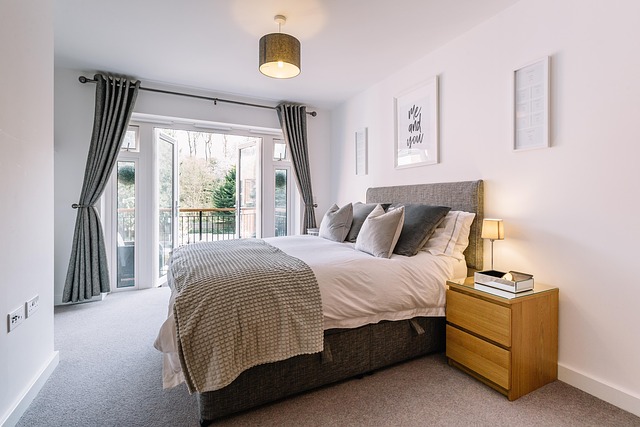
Understanding the Connection Between Aesthetics and Environmental Responsibility
Sustainable design in guest bedrooms balances comfort, function, and ecological impact. Material selection, energy efficiency, and waste reduction define sustainable aesthetics. Design choices influence both environmental footprint and occupant wellness. When executed correctly, this balance creates an atmosphere that feels effortless yet deeply intentional. For instance, pairing organic linen bedding with reclaimed wood frames not only supports local craftsmanship but also reinforces the tactile authenticity of eco-conscious living.
The Role of Minimalism in Promoting Sustainable Interiors
Minimalist interiors naturally support sustainability by reducing excess material use and visual noise. A focus on essentials enhances spatial harmony and extends furniture lifespan. Simplified layouts encourage mindful use of space and resources while improving maintenance efficiency over time. In guest bedroom decor, minimalism translates to fewer but better objects—furniture chosen for quality rather than quantity—ensuring timelessness instead of seasonal replacement cycles.
Material Selection for an Eco-Conscious Guest Bedroom
Material choice defines the environmental integrity of any interior project. Selecting renewable or recycled elements not only lowers embodied carbon but also supports ethical production chains across global supply networks.
Choosing Renewable and Low-Impact Materials
Materials such as bamboo, cork, reclaimed wood, or organic cotton provide renewable alternatives to conventional composites. Evaluating life-cycle impacts—including sourcing distance, manufacturing energy use, and end-of-life recyclability—helps quantify sustainability performance. Certifications like FSC (Forest Stewardship Council) or GOTS (Global Organic Textile Standard) confirm responsible origins and traceability within supply chains. These standards are recognized globally by ISO 38200 for chain-of-custody transparency in timber products.
The Importance of Non-Toxic Finishes and Paints
Low-VOC paints significantly improve indoor air quality for guests by limiting volatile emissions that contribute to respiratory irritation. Natural oils or water-based finishes reduce chemical exposure while maintaining surface durability. Breathable wall treatments—such as limewash or clay-based coatings—support healthier humidity regulation within enclosed spaces. This attention to air purity aligns with WHO indoor air quality guidelines recommending reduced chemical off-gassing in residential environments.
Energy Efficiency as a Core Principle of Sustainable Guest Rooms
Energy efficiency remains central to sustainable interior design because it directly affects operational costs and carbon emissions over time. Guest bedrooms designed with passive strategies can achieve measurable reductions in heating and cooling loads without relying heavily on mechanical systems.
Optimizing Lighting Systems for Efficiency and Comfort
LED lighting provides high output at low wattage while offering adjustable color temperatures suited to different moods or times of day. Integrating natural light through strategic window placement or reflective surfaces reduces artificial lighting dependence during daylight hours. Smart controls—motion sensors or occupancy timers—further minimize energy waste when rooms remain unoccupied for extended periods.
Enhancing Thermal Comfort Through Passive Design Strategies
High-performance insulation materials such as cellulose or sheep’s wool reduce temperature fluctuations efficiently. Cross ventilation using operable windows maintains air freshness without mechanical intervention. External shading devices like louvers or pergolas moderate solar gain effectively during summer months while allowing winter sunlight penetration—a principle supported by IEA building envelope research emphasizing passive thermal regulation as a primary energy-saving measure.
Furniture and Décor Choices Aligned With Sustainability Goals
Furniture decisions shape both the aesthetic identity and long-term sustainability of a guest bedroom decor scheme. Designers increasingly prioritize pieces that combine craftsmanship with circular economy principles.
Selecting Durable and Timeless Furniture Pieces
Durability is sustainability’s most understated metric. Investing in well-constructed furniture extends lifecycle value far beyond initial cost savings from cheaper alternatives. Modular designs allow reconfiguration rather than disposal when spatial needs evolve. Avoiding fast furniture trends mitigates waste accumulation common in short-term hospitality refurbishments.
Incorporating Upcycled or Locally Sourced Décor Elements
Repurposing vintage items introduces narrative depth while reducing new production demand. Supporting local artisans who employ sustainable methods strengthens community economies and minimizes transportation emissions associated with imported décor goods. Handcrafted details convey authenticity that mass-produced items rarely replicate—a subtle yet powerful marker of thoughtful interior storytelling.
Wellness-Oriented Design in Sustainable Guest Bedrooms
Sustainability today extends beyond energy metrics; it encompasses human health and emotional well-being within built environments. A truly sustainable guest room nurtures restfulness through sensory balance grounded in natural cues.
Creating a Healthy Indoor Environment for Guests
Biophilic integration—plants, natural fibers, textured stone—enhances psychological comfort by reconnecting occupants with nature’s patterns. Adequate ventilation sustains optimal humidity levels conducive to restorative sleep cycles. Bedding made from organic cotton or hemp promotes breathability while avoiding synthetic irritants often found in conventional textiles.
Balancing Sensory Experience With Ecological Awareness
Color palettes derived from earth tones foster calmness without overstimulation—a principle validated by environmental psychology studies linking muted hues to lower stress responses. Acoustic panels made from recycled felt mitigate noise pollution sustainably while preserving aesthetic warmth. Lighting calibrated to circadian rhythms supports melatonin regulation essential for restful sleep patterns among transient guests.
Evaluating the Long-Term Impact of Sustainable Guest Bedroom Design
True sustainability requires continuous measurement rather than one-time certification achievements. Tracking resource performance allows designers to refine strategies based on empirical outcomes rather than assumptions.
Measuring Environmental Performance Over Time
Monitoring energy consumption before and after upgrades quantifies real efficiency gains over time using smart metering systems aligned with ISO 50001 energy management frameworks. Material durability can be assessed through maintenance logs documenting wear rates across usage cycles. Lifecycle assessment tools help calculate embodied carbon reductions achieved through specific interventions such as switching from virgin timber to reclaimed sources.
Encouraging Adaptive Reuse and Continuous Improvement
Designing flexible layouts allows future adaptation without major demolition waste generation—a concept central to circular interior practice under UNEP’s sustainable building guidelines. Multifunctional spaces accommodate evolving guest expectations sustainably by reusing existing infrastructure creatively rather than rebuilding anew every few years.
FAQ
Q1: What materials best suit eco-friendly guest bedroom decor?
A: Bamboo, cork, reclaimed wood, hemp fabric, and organic cotton are top choices due to renewability and low toxicity profiles verified by global certifications like FSC or GOTS.
Q2: How does minimalism improve sustainability?
A: It limits material consumption by focusing on essential pieces only, extending product life cycles while reducing waste streams from frequent replacements.
Q3: Are low-VOC paints really necessary?
A: Yes, they drastically cut indoor pollutants compared with solvent-based paints, aligning with WHO recommendations for healthy residential air standards.
Q4: What passive design features reduce energy use most effectively?
A: Proper insulation combined with cross ventilation and shading systems can reduce HVAC loads by up to 30%, based on IEA building performance data.
Q5: How can designers maintain flexibility in sustainable interiors?
A: By using modular furniture systems and adaptable layouts that evolve alongside functional changes without requiring full-scale renovation work later on.