
Is Above The Bed Wall Decor Redefining Functional Design In Modern Bedrooms
IKEA’s Showrooms Convinced Me to Put Coat Hooks Above My Bed
Modern bedroom design no longer treats the wall above the bed as a static backdrop. It has become a dynamic canvas for functional creativity. The idea of installing coat hooks or modular shelving above the headboard, once unconventional, now aligns with a broader movement toward spatial efficiency and adaptable aesthetics. IKEA’s showrooms have played a pivotal role in demonstrating how vertical surfaces can transform underused zones into practical, visually balanced features. This approach redefines comfort through functionality and shows how thoughtful design choices can shape both mood and movement within private spaces.
The Intersection of Aesthetics and Functionality in Modern Bedroom Design
Designers today are questioning long-held assumptions about what belongs above the bed. Rather than treating it as purely decorative, they are turning it into a space that serves multiple functions while maintaining harmony with the room’s overall composition.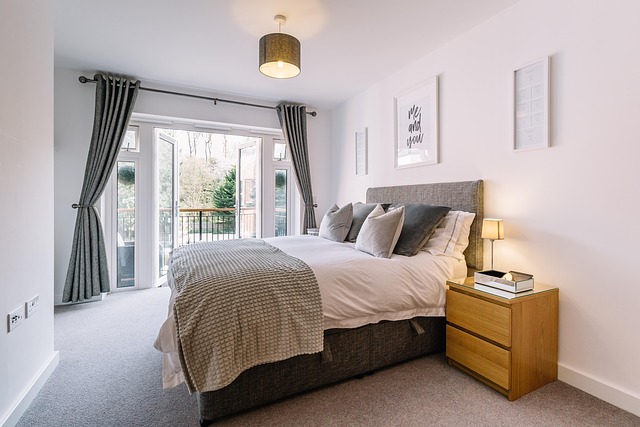
Redefining the Purpose of Above-the-Bed Wall Decor
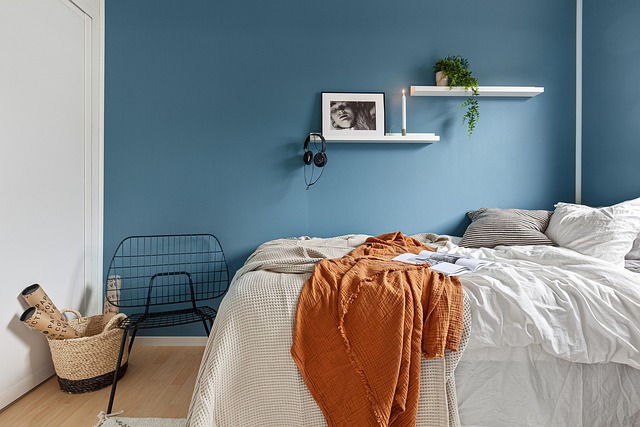
The role of above the bed wall decor has shifted from ornamental to purposeful. Instead of hanging passive artwork, homeowners now install hooks, shelves, or acoustic panels that contribute to daily life. These additions enhance spatial efficiency by freeing bedside tables from clutter and offering storage without compromising comfort. Scandinavian minimalism has influenced this shift by emphasizing simplicity rooted in usability—clean lines that serve both form and function.
The Evolution of Bedroom Design Principles
Bedroom design has moved away from heavy ornamentation toward clarity and purpose. Modular systems allow flexibility; shelves can evolve into lighting fixtures or integrated storage depending on need. Vertical surfaces have become essential for optimizing limited floor space, creating layers of utility without crowding the room.
Functional Design Philosophy in Contemporary Interiors
The modern interior philosophy values balance—where every element must justify its presence through utility or emotional resonance.
Understanding the Concept of Functional Minimalism
Functional minimalism prioritizes usability while maintaining visual calm. Furniture and decor are chosen for their contribution to daily routines rather than excess decoration. This approach aligns with sustainable design because it reduces waste through longevity and adaptability. Psychologically, such environments promote focus and reduce stress by removing unnecessary visual noise.
Reassessing Traditional Bedroom Layouts
Traditional layouts centered on grand headboards now give way to wall-mounted alternatives that save space and redefine focal points. Storage-integrated decor—like floating cabinets or pegboards—improves ergonomics by keeping essentials within reach but off surfaces. Above-bed installations can become subtle architectural statements that guide attention upward, expanding perceived height and openness.
Above-the-Bed Wall Decor as a Spatial Solution
Designers increasingly view vertical space as an untapped asset in small bedrooms or urban apartments.
Utilizing Vertical Space for Practical Enhancement
Using vertical organization maximizes limited square footage. Hooks can hold robes or accessories; slim shelving supports books or plants without encroaching on sleep zones. The challenge lies in balancing accessibility with proportion so that installations feel intentional rather than improvised.
Materiality and Structural Considerations in Wall-Mounted Design
Safety is central when adding weight-bearing elements above sleeping areas. Load capacity must match wall type—solid masonry differs greatly from drywall anchors—and installation should follow basic structural standards such as those outlined by ISO 20887 for building adaptability guidelines. Materials like oak veneer, powder-coated steel, or recycled composites combine durability with tactile warmth. Integrating lighting or acoustic panels within these frameworks further enhances comfort while maintaining aesthetic coherence.
Influence of IKEA’s Design Ethos on Functional Wall Decor Trends
IKEA’s approach to spatial storytelling has profoundly shaped how consumers perceive functional design within domestic settings.
How Showroom Concepts Inspire Real-Life Adaptation
Showrooms display compact living arrangements where every surface performs double duty: a shelf becomes a divider; hooks transform empty walls into storage galleries. These curated environments demonstrate practical applications rather than theoretical ideals, encouraging visitors to replicate similar solutions at home using accessible materials and modular systems.
Modular Thinking and Customization in Wall Decor Systems
Modularity lies at the heart of IKEA-inspired design thinking. Components evolve alongside user needs—a panel may start as coat storage but later integrate lighting strips or sound insulation pads. Configurable designs support personalization while reducing material waste since parts can be reused instead of replaced entirely. This mindset aligns closely with circular economy principles promoted by international sustainability frameworks such as ISO 14006 on eco-design integration.
Psychological and Behavioral Dimensions of Above-the-Bed Installations
The relationship between human behavior and spatial arrangement is subtle yet powerful; what hangs above one’s bed influences perception more than most realize.
Human Interaction with Vertical Design Elements
Objects positioned above resting areas affect feelings of safety and enclosure. Symmetry fosters calmness, while uneven compositions evoke curiosity but may disrupt relaxation if poorly balanced. Personal artifacts—photographs, textiles, travel mementos—add emotional depth that transforms functional decor into identity markers within intimate environments.
Enhancing Well-being Through Functional Aesthetics
Organized surroundings correlate strongly with mental clarity according to research published by the International WELL Building Institute (IWBI). Intentional design choices like evenly spaced hooks or soft-integrated lighting create rhythm that soothes rather than stimulates before sleep. Incorporating biophilic touches such as small greenery shelves introduces natural variation beneficial for stress reduction and restorative rest cycles.
Future Directions for Functional Wall Decor in Bedroom Design
As technology merges with sustainability goals, future wall-mounted systems will likely blend digital intelligence with ecological responsibility.
Technological Integration into Wall-Mounted Systems
Emerging smart storage incorporates motion sensors that illuminate softly when approached at night or track usage patterns via IoT connectivity for energy-efficient control. Lightweight carbon fiber composites provide strength without bulk, allowing flexible installation even on thinner partition walls common in modern housing developments.
Sustainability and Circular Design Approaches
Circular design encourages reuse through disassembly-friendly joints so components can be repurposed rather than discarded—a principle supported by ISO 59010 guidance on circular economy transitions. Using renewable materials like bamboo laminates or recycled aluminum frames reduces environmental footprint while promoting conscious consumption habits centered around multifunctional innovation instead of disposable trends.
FAQ
Q1: What makes above the bed wall decor functional rather than purely decorative?
A: It serves practical roles such as storage, lighting integration, or acoustic improvement while contributing aesthetically to room balance.
Q2: Are coat hooks safe to install above sleeping areas?
A: Yes, provided load-bearing checks are done properly using appropriate anchors based on wall material standards like ISO 20887 recommendations for adaptable structures.
Q3: How does Scandinavian minimalism influence this trend?
A: It emphasizes simplicity rooted in utility—clean lines, neutral tones, and objects chosen for both purpose and serenity rather than excess embellishment.
Q4: Can modular wall systems reduce environmental impact?
A: Modular systems extend product life cycles through reconfiguration instead of replacement, supporting circular economy practices consistent with ISO 14006 eco-design principles.
Q5: Why do organized vertical spaces improve mental well-being?
A: Structured layouts minimize cognitive clutter; symmetry and clear sightlines promote calmness essential for restorative rest according to IWBI wellness research findings.