
Are Environment Friendly House Designs Defining the Future of Sustainable Homes
8 Sustainable Homes That Are Built With Climate-Responsive Materials
Sustainable homes are no longer niche experiments but leading models for the future of residential design. These environment friendly house designs combine traditional wisdom with advanced engineering to minimize carbon footprints, adapt to local climates, and promote long-term resilience. Across regions—from humid tropics to cold Scandinavian landscapes—architects are rethinking how materials, energy systems, and cultural identity shape modern living spaces. The following analysis explores eight exemplary homes that embody climate-responsive principles through material innovation and contextual design.
The Rise of Environment-Friendly House Designs
The global architectural community has shifted its focus toward ecological integrity and energy efficiency. This evolution reflects not only environmental urgency but also a growing recognition that sustainable living enhances comfort and economic value.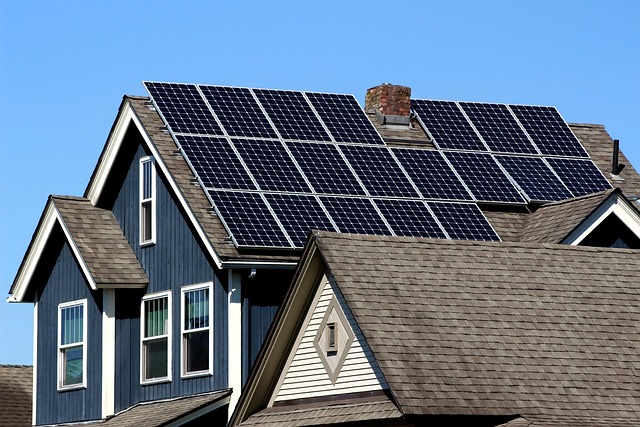
Defining the Concept of Sustainable Homes
Sustainable homes integrate ecological balance, energy efficiency, and resource conservation. They aim to reduce environmental impact by selecting renewable materials and designing structures that align with natural processes. Climate-responsive architecture goes further by tailoring buildings to local weather patterns—using sunlight, wind flow, and thermal mass as integral design tools.
The Global Shift Toward Green Architecture
Urbanization pressures have accelerated the demand for eco-conscious housing solutions. Governments now promote certifications such as LEED and BREEAM to standardize green building performance. Meanwhile, technological advancements—from smart sensors to modular prefabrication—make sustainable construction more precise and accessible across markets.
Climate-Responsive Design Principles in Modern Housing
Modern sustainable homes rely on passive strategies before turning to mechanical systems. This approach not only saves energy but also creates healthier indoor environments.
Passive Design Strategies for Energy Efficiency
Orientation plays a decisive role: positioning windows toward prevailing breezes or sunlight reduces heating and cooling loads. Ventilation shafts, operable louvers, and deep eaves maintain airflow while preventing heat gain. Materials with high thermal mass—like concrete or rammed earth—store heat during the day and release it at night, stabilizing temperature fluctuations naturally.
Integration of Renewable Energy Systems
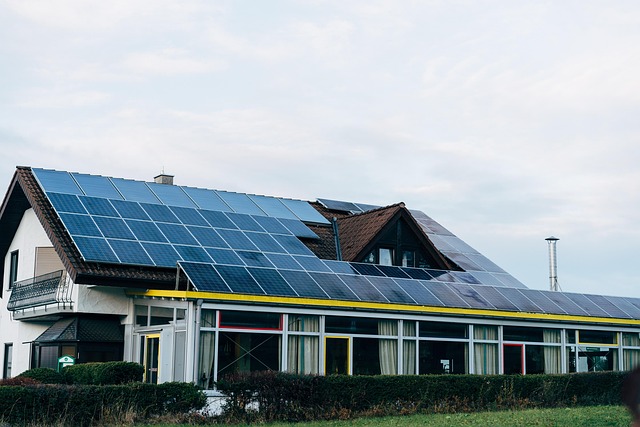
Clean energy integration defines next-generation home design. Solar panels remain dominant due to falling installation costs, while small-scale wind turbines and geothermal loops diversify supply sources. Battery storage systems now allow homeowners to achieve near-total energy independence. Smart home platforms analyze consumption patterns, adjusting lighting or temperature automatically for peak efficiency.
Materials Defining the Future of Sustainable Homes
Material selection determines both environmental footprint and long-term durability. Architects increasingly prioritize low-carbon production methods alongside recyclability.
Low-Carbon and Recyclable Building Materials
Recycled steel, bamboo, rammed earth, and reclaimed wood all offer structural strength with reduced embodied carbon. Locally sourced aggregates cut transportation emissions while supporting regional economies. Bio-based composites derived from hemp or mycelium are emerging as durable yet biodegradable alternatives for cladding or insulation.
Climate-Adaptive Materials for Resilient Construction
Phase-change materials embedded in walls can absorb excess heat during summer and release it during cooler periods. Permeable paving minimizes urban runoff by allowing water infiltration into soil layers beneath structures. Green roofs not only insulate interiors but also foster biodiversity in dense cities—a small ecosystem above the skyline.
Exemplary Sustainable Homes Built with Climate-Responsive Materials
Each region presents unique environmental challenges that shape how sustainability manifests in built form.
Adaptive Tropical Home Design in Southeast Asia
In humid tropical zones, cross ventilation is essential. Elevated floors prevent moisture buildup while shaded verandas block direct sun exposure. Many projects use locally harvested bamboo or clay bricks that require minimal processing energy. Rainwater harvesting systems supply domestic use without stressing municipal networks.
Scandinavian Passive Houses for Cold Climates
Scandinavian designs prioritize airtight envelopes paired with triple-glazed windows to retain interior warmth efficiently. Prefabricated timber panels reduce waste on-site and shorten construction timelines—a critical advantage in regions with limited building seasons. Heat recovery ventilation further recycles indoor air warmth without compromising air quality.
Desert-Inspired Residences in the Middle East
Thick adobe walls act as natural thermal barriers against extreme daytime heat while maintaining cool interiors overnight. Courtyard-centered layouts create shaded microclimates that encourage airflow through passive convection rather than mechanical cooling systems common elsewhere in similar latitudes.
Coastal Eco-Homes with Marine Resilience Features
For coastal zones facing salt spray and storm surges, corrosion-resistant alloys like stainless steel or fiber-reinforced polymers protect structural integrity over time. Elevated foundations mitigate flood risk from rising sea levels while maintaining visual harmony with surrounding landscapes through minimalist detailing.
Cultural Influences in Sustainable Home Design
Environmental design is never isolated from cultural context; it evolves through heritage reinterpretation and symbolic expression.
Integrating Local Heritage into Eco-Friendly Architecture
Vernacular traditions often embody sustainability intuitively—thick mud walls in deserts or steep roofs in snowy regions were early forms of climate adaptation. Modern architects reinterpret these principles using contemporary materials without losing regional character or craftsmanship authenticity.
The Intersection of Environmental Design and Cultural Expression
Architectural motifs can communicate identity while reinforcing ecological awareness. For instance, decorative patterns inspired by black culture tattoos may symbolize resilience, community connection, or harmony with nature when integrated thoughtfully into façades or interior detailing—turning cultural narratives into sustainable aesthetics rather than superficial ornamentation.
Future Directions for Environment-Friendly House Designs?
The next phase of sustainable housing merges digital intelligence with regenerative materials science to achieve net-positive outcomes rather than mere neutrality.
Emerging Technologies Shaping Sustainable Living Spaces
AI-driven modeling tools simulate daylight exposure or airflow at early design stages with remarkable precision, reducing construction errors later on-site. 3D printing technologies now enable complex geometries using biodegradable polymers or recycled aggregates—cutting waste dramatically compared to conventional casting methods.
Policy and Market Drivers Supporting Green Housing Development
Many governments provide tax credits for zero-energy homes or mandate renewable quotas within new developments. Collaborative frameworks between architects, engineers, policymakers, and manufacturers are fostering innovation toward net-zero communities where each building contributes actively to a balanced ecosystem rather than depleting it.
FAQ
Q1: What defines a climate-responsive home?
A: It’s a dwelling designed around local climatic conditions using passive cooling or heating techniques before relying on mechanical systems.
Q2: How do environment friendly house designs reduce emissions?
A: They lower embodied carbon through recycled materials, renewable energy integration, and efficient spatial planning that minimizes wasteful energy use.
Q3: Why is bamboo considered sustainable?
A: Bamboo grows rapidly without fertilizers or pesticides, sequesters carbon effectively, and provides strong structural performance comparable to timber when properly treated.
Q4: Can cultural elements like black culture tattoos influence architecture?
A: Yes, symbolic motifs can inspire façade patterns or spatial arrangements reflecting heritage values while aligning with sustainability goals through mindful material use.
Q5: What’s next for sustainable housing innovation?
A: Expect wider adoption of AI-assisted design tools, modular construction using recyclable composites, and policies promoting circular economy principles across residential sectors.