
What Defines Eco Sustainable Architecture in Today’s Global Design Landscape
Sustainable Architecture Is More Needed Than Ever—Here’s What It Actually Means
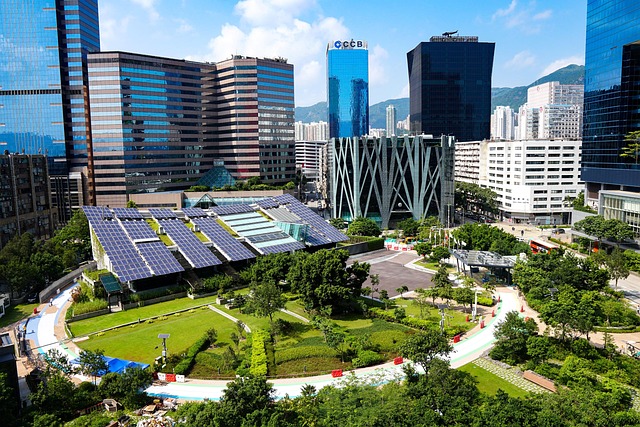
Eco sustainable architecture is no longer a niche practice; it has become the defining approach for responsible design in the 21st century. Buildings account for nearly 40% of global carbon emissions, and this reality forces architects to rethink how structures interact with their environment. The new paradigm merges technology, ecology, and ethics into one cohesive system that seeks not only to minimize harm but to regenerate natural and social ecosystems. In essence, sustainable architecture means designing buildings that give back more than they take.
The Foundations of Eco Sustainable Architecture
Sustainable architecture rests on a set of interconnected principles that unite environmental science with human needs. It redefines how materials, energy, and water are used within the built environment while maintaining cultural relevance and aesthetic integrity.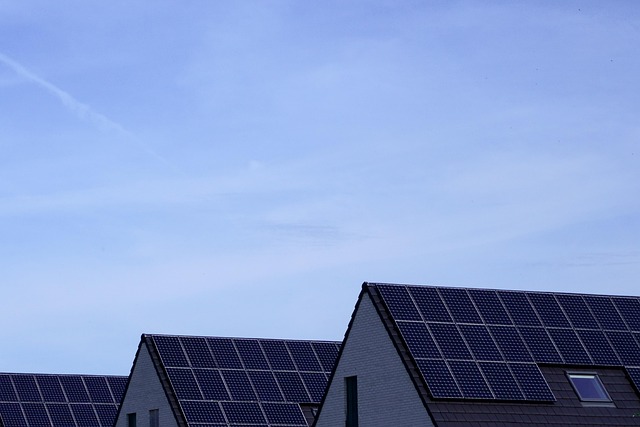
Defining Eco Sustainable Architecture in the Modern Context
Eco sustainable architecture integrates environmental, social, and economic sustainability into every stage of design. It prioritizes resource efficiency and seeks to reduce ecological footprints through intelligent planning and adaptive technologies. A successful project balances aesthetics with functionality and long-term resilience, ensuring that buildings remain efficient throughout their lifespan rather than just at completion.
Historical Evolution of Sustainable Design Principles
The roots of sustainability can be traced to vernacular architecture—structures built using local materials and adapted to regional climates long before industrialization. In the late 20th century, the green building movement formalized these ideas through standards like LEED and BREEAM. Over time, focus expanded from energy efficiency alone to holistic frameworks addressing biodiversity, health, and community well-being. This shift marked a transition from minimizing damage to actively restoring ecological balance.
Core Principles Guiding Eco Sustainable Architecture
The practice of eco sustainable architecture operates through measurable strategies that translate ideals into physical form. These principles guide how buildings consume energy, use materials, manage water, and engage with their surroundings.
Energy Efficiency and Passive Design Strategies
Energy efficiency remains central to sustainability. Passive design uses natural ventilation, daylighting, and thermal mass to maintain comfort without mechanical systems. Building orientation plays a crucial role—positioning windows toward prevailing winds or sunlight reduces energy demand significantly. Renewable sources such as solar panels or small wind turbines further offset operational emissions. In some urban projects, AI-driven systems now adjust lighting or temperature dynamically based on occupancy data.
Material Selection and Life Cycle Considerations
Material choice defines both environmental impact and longevity. Architects increasingly favor low-impact materials sourced locally or made from recycled content. Life cycle assessments evaluate embodied carbon—from extraction through demolition—to measure total footprint. Circular economy principles are gaining traction: components are designed for disassembly so they can be reused or recycled at end-of-life rather than discarded.
Water Management and Ecological Integration
Water scarcity drives innovation in management systems. Rainwater harvesting tanks supply irrigation or flushing water; greywater recycling reduces freshwater use by reusing lightly contaminated water from sinks or showers. Landscape design supports biodiversity through native planting schemes that restore natural hydrology. Efficient fixtures—low-flow taps or dual-flush toilets—cut consumption further while adaptive reuse projects preserve embodied water in existing structures.
Technological Innovations Shaping Sustainable Architecture Today
Technology has become an indispensable ally in advancing sustainability goals. From smart sensors to bio-based composites, innovation enables precision control over performance while opening creative possibilities for form and function.
Smart Building Systems and Data Integration
Smart systems use real-time data to monitor energy consumption across lighting, HVAC, and appliances. Sensors detect occupancy patterns to adjust operations automatically, enhancing comfort while reducing waste. Integration with smart grids allows buildings to feed surplus renewable power back into the network during low demand periods—a step toward decentralized energy resilience.
Advanced Materials and Construction Techniques
New materials redefine construction boundaries. Bio-based composites made from hemp or mycelium offer strength with minimal carbon impact. Carbon-sequestering concrete absorbs CO₂ rather than emitting it during curing. Prefabrication methods improve accuracy on-site while cutting waste dramatically compared with traditional builds. Adaptive façades—panels that open or close in response to sunlight—illustrate how technology merges performance with artistry.
The Global Impact of Policy, Certification, and Regulation
Sustainability does not evolve in isolation; it is shaped by policy frameworks that translate global climate goals into architectural practice.
International Standards Influencing Design Practices
Certification systems such as LEED (Leadership in Energy and Environmental Design), BREEAM (Building Research Establishment Environmental Assessment Method), WELL Building Standard, and EDGE provide measurable benchmarks for sustainability performance worldwide. Each framework adapts regionally to reflect local climates and cultural expectations while aligning with international accords like the Paris Agreement that demand reduced emissions across sectors.
Urban Policy and Regulatory Shifts Toward Sustainability
Governments increasingly incentivize green infrastructure investment through tax credits or grants for renewable integration. Zoning reforms encourage mixed-use developments that limit car dependency by promoting walkable neighborhoods near transit hubs. Mandatory carbon reporting now influences material selection at early design stages—a subtle yet powerful driver for transparency across supply chains.
Cultural, Social, and Ethical Dimensions of Sustainable Architecture
Beyond technical metrics lies an ethical dimension: architecture must serve people as much as the planet.
Community-Centered Design Approaches
Effective sustainable projects begin by engaging local communities early in planning processes. Designs reflect cultural identity while maintaining ecological responsibility—for example, incorporating indigenous building techniques alongside modern technologies. Inclusive layouts prioritize accessibility for all users while improving health outcomes through air quality control or daylight exposure.
Ethical Responsibility in Global Architectural Practice
Architects today face moral questions tied to climate justice: who benefits from sustainability investments? Equitable design considers affordability alongside environmental targets so low-income communities also gain from resilient housing solutions. Ethical practice balances global innovation with respect for local ecosystems rather than imposing uniform solutions across diverse contexts.
Future Directions in Eco Sustainable Architecture
As climate pressures intensify, sustainable architecture evolves toward regenerative models aiming not just for neutrality but positive contribution.
Emerging Trends Redefining Sustainability Goals
Regenerative design goes beyond mitigation—it restores natural systems degraded by human activity. Biophilic principles enhance human-nature connection indoors through living walls or daylight corridors proven to improve mental health metrics (as supported by WELL certification research). Urban rewilding transforms underused city spaces into ecological corridors linking fragmented habitats back together.
Collaboration Across Disciplines for Greater Impact
Future progress depends on collaboration between architects, engineers, ecologists, data scientists, and policymakers working as integrated teams rather than isolated experts. Digital twins—virtual replicas of buildings updated continuously with sensor data—allow predictive modeling of performance over decades instead of years. Cross-sector partnerships between academia and industry are already driving net-positive prototypes where buildings generate more resources than they consume.
FAQ
Q1: What distinguishes eco sustainable architecture from traditional green building?
A: Traditional green building focuses mainly on reducing energy use; eco sustainable architecture takes a broader view integrating social equity, cultural context, resource cycles, and long-term adaptability into every decision.
Q2: How do passive design strategies save energy?
A: Passive strategies rely on natural forces like sunlight or wind instead of mechanical systems; proper orientation maximizes daylight while thermal mass stabilizes indoor temperatures without constant heating or cooling.
Q3: Are eco materials always more expensive?
A: Not necessarily—while some advanced materials cost more upfront, lifecycle savings from durability or lower maintenance often offset initial expenses over time.
Q4: What role do certifications play?
A: Certifications such as LEED or BREEAM standardize evaluation criteria so designers can quantify sustainability outcomes consistently across markets.
Q5: Can existing buildings become eco sustainable?
A: Yes; retrofitting older structures with efficient insulation, renewable systems, or adaptive reuse strategies often delivers significant environmental gains without new construction impacts.