
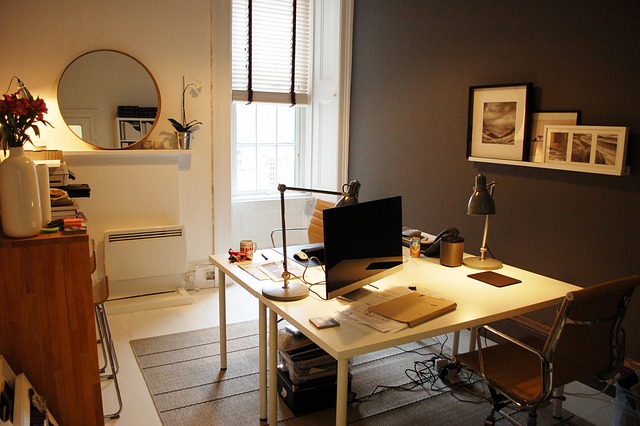
How Can Small Office Interior Design Transform Limited Workspaces Effectively
I Asked Interior Designers To Recommend Office Furniture That’s Perfect For Small Spaces
Small office interior design is less about squeezing furniture into tight corners and more about crafting a workspace that feels open, functional, and balanced. Experienced designers agree that success lies in choosing scaled furniture, modular systems, and smart lighting that visually expand the room. The most effective small offices combine flexibility with aesthetic clarity—every element must earn its place. From foldable desks to vertical storage, the right selections can transform even a 10-square-meter office into a productive, comfortable environment.
Understanding the Core Principles of Small Office Interior Design
A well-designed small office reflects strategic thinking rather than compromise. The process starts with spatial clarity and ends with user comfort. Each square meter must contribute to both efficiency and atmosphere.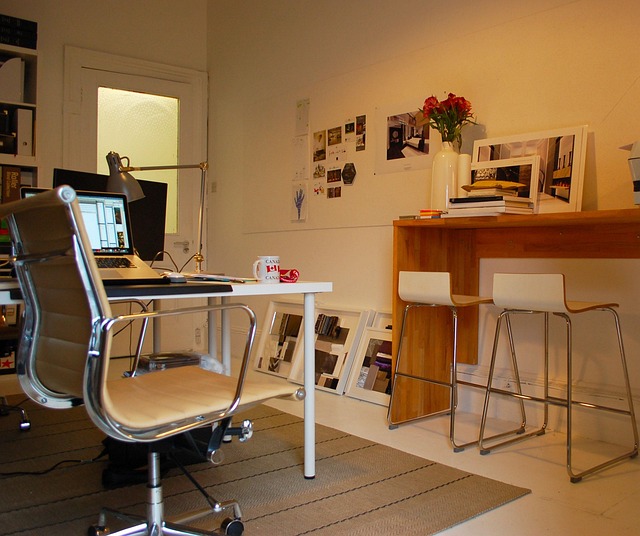
The Importance of Space Optimization
Effective small office design begins with maximizing every square meter. Circulation paths should remain intuitive, allowing employees to move freely without congestion. Ergonomics also play a major role; adjustable chairs and compact desks help maintain posture while saving space. Multi-functional layouts—such as shared worktables or convertible meeting areas—support collaboration without cluttering the floor plan.
Balancing Aesthetics with Functionality
Visual simplicity is key in compact offices. Minimalist design principles prevent visual clutter and make rooms appear larger than they are. Light materials like birch wood or glass enhance brightness, while neutral color palettes create calmness. Functionality should never be sacrificed for style; furniture must serve practical needs while contributing to an appealing atmosphere.
Strategic Layout Planning for Limited Workspaces
Planning the layout of a small office involves more than fitting desks into corners. It’s about defining zones for focus, collaboration, and relaxation while maintaining seamless flow.
Zoning and Spatial Flow in Compact Offices
Zoning doesn’t always require walls. Designers often use rugs, lighting variations, or different desk orientations to define work areas visually. Open-plan concepts can still thrive in small spaces if circulation paths are unobstructed and each zone has a clear purpose.
The Role of Modular and Flexible Furniture Systems
Modular furniture allows reconfiguration as teams grow or tasks shift. Foldable tables or nesting chairs enable quick transitions from individual work to group meetings. Movable partitions made from acoustic panels or frosted glass provide privacy without blocking light—a valuable balance in limited environments.
Furniture Selection Techniques for Small Office Interiors
Furniture choice determines how well a compact office performs day-to-day. Scale, proportion, and versatility guide every decision.
Choosing Scaled Furniture Proportional to Space
Oversized furniture overwhelms tight rooms and restricts mobility. Custom-built pieces designed for specific wall lengths or corners maximize usable area while maintaining comfort. Lightweight materials such as aluminum frames or composite woods preserve openness without losing durability.
Integrating Storage Solutions into Furniture Design
Storage often dictates whether a small office feels tidy or chaotic. Vertical shelving minimizes floor usage while increasing capacity. Built-in cabinetry conceals supplies behind flush surfaces, keeping visual lines clean. Dual-purpose furniture—like benches with hidden compartments—adds practicality without consuming extra space.
Lighting Design as a Spatial Enhancer in Small Offices
Lighting transforms perception more effectively than any other design element in compact settings.
Utilizing Natural Light for Spatial Expansion
Transparent partitions distribute daylight deeper into interiors, creating continuity between zones. Reflective surfaces like polished floors or glossy paint amplify brightness and make ceilings appear higher. Window treatments should diffuse sunlight gently while preserving privacy for focused tasks.
Layered Artificial Lighting Strategies
Layered lighting ensures adaptability throughout the day. Task lights reduce eye strain during precision work; ambient lighting softens overall contrast; accent fixtures highlight architectural details or brand colors, adding dimension to otherwise simple layouts.
Materiality and Color Psychology in Compact Work Environments
Material selection influences both tactile experience and spatial perception in small offices.
Selecting Materials That Enhance Depth and Texture Perception
Gloss finishes reflect light effectively, expanding perceived volume. Textured surfaces like linen upholstery or matte stone bring warmth without overwhelming visual balance. Sustainable materials such as bamboo panels align environmental responsibility with modern aesthetics—a growing expectation among corporate clients.
Applying Color Theory to Influence Spatial Perception and Mood
Light tones visually push boundaries outward, making rooms feel larger. Contrasting accents—perhaps navy trim against white walls—guide attention strategically across zones. Maintaining consistent color schemes across partitions unifies fragmented layouts into coherent compositions.
Integrating Technology Seamlessly into Small Office Design
Technology integration can either streamline operations or create clutter if poorly managed.
Smart Furniture and Cable Management Solutions
Integrated power modules built into desks eliminate tangled cords that distract from clean visuals. Wireless charging pads simplify device organization on shared workstations. Adjustable monitor arms free desk surfaces for writing or collaborative tools like tablets.
Digital Tools for Space Planning and Visualization
3D modeling software enables designers to test multiple configurations before construction begins, saving both time and cost. Virtual walkthroughs help clients grasp scale relationships intuitively—a critical advantage when every centimeter counts. Post-installation analytics track ergonomic performance to refine future adjustments.
Enhancing Employee Well-being Through Thoughtful Design Choices
Even small offices benefit from thoughtful well-being strategies that foster focus and comfort simultaneously.
Biophilic Elements in Compact Offices
Greenery improves air quality while lowering stress levels during long workdays. Natural textures like wood grain evoke calmness within confined spaces. Living walls or tabletop planters act as soft dividers between meeting corners and private desks without adding bulk.
Acoustic Comfort and Privacy Considerations
Noise control is crucial where proximity is unavoidable. Sound-absorbing panels reduce echo from hard surfaces; plush rugs or upholstered seating further stabilize acoustics. Acoustic zoning supports concentration yet keeps teams connected visually—a subtle but powerful productivity factor.
Sustainable Practices in Small Office Interior Design
Sustainability extends beyond materials—it influences how offices evolve over time with minimal waste.
Eco-Conscious Material Selection and Waste Reduction
Using recycled composites reduces environmental impact during renovation cycles. Modular components allow reuse when relocating offices or updating layouts later on. Finishes labeled low-VOC maintain healthier indoor air quality standards consistent with ISO 16000 guidelines on air purity measurement (ISO).
Energy Efficiency Through Intelligent Systems Integration
LED lighting consumes far less energy than traditional fluorescents over operational lifespans exceeding 50,000 hours (IEA). Smart thermostats adapt heating or cooling based on occupancy data collected through IoT sensors, improving comfort while cutting costs by up to 20%. Efficient HVAC distribution maintains steady airflow across compact volumes where temperature variation can quickly become noticeable.
FAQ
Q1: What type of desk works best in a small office?
A: A modular desk system with integrated storage provides flexibility while conserving floor area; L-shaped designs fit efficiently into corners without blocking circulation paths.
Q2: How can lighting make my small office look bigger?
A: Combining natural light with reflective finishes increases brightness levels that visually expand space boundaries; layered artificial lighting adds depth after sunset hours.
Q3: Are standing desks suitable for compact offices?
A: Yes, height-adjustable models accommodate multiple users within shared setups while promoting movement throughout the day—a health benefit supported by ergonomic research standards (ISO 9241).
Q4: Which colors help create an open feeling?
A: Soft neutrals such as ivory or pale gray paired with subtle accent tones give depth without closing the room visually; consistency across surfaces enhances cohesion.
Q5: What sustainable choices have the biggest impact?
A: Selecting recycled materials, installing LED fixtures, and using modular furniture systems significantly reduce waste generation during redesigns while supporting long-term adaptability within limited spaces.