
How Farmhouse Interior Design Revived a Grade II-Listed Georgian Gem
How an Interior Designer Breathed New Life Into This Grade II-Listed Georgian Farmhouse
A Grade II-listed Georgian farmhouse presents both privilege and challenge. Its restoration demands a precise balance between heritage preservation and modern comfort. The interior designer behind this revival approached the project with deep respect for architectural integrity while introducing subtle interventions that enhance liveability. The result is a farmhouse interior design that celebrates craftsmanship, authenticity, and timeless elegance without compromising on today’s functional expectations.
The Architectural Heritage of a Grade II-Listed Georgian Farmhouse
Preserving a Georgian farmhouse means more than maintaining its façade; it involves protecting a cultural narrative shaped by proportion, symmetry, and craftsmanship. Every design decision must align with conservation principles while allowing the property to function as a contemporary home.
The Historical Significance of Georgian Architecture
Georgian architecture is defined by harmony and proportion. Farmhouses from this era often feature balanced façades, sash windows, classical cornices, and restrained ornamentation. These elements reflect Enlightenment ideals of order and rationality. Their enduring appeal lies in the clarity of form—rooms arranged symmetrically around central halls, ceilings proportionate to window heights, and materials chosen for both durability and grace.
The listed status imposes strict controls on alteration. Any modification must preserve original fabric, from stone lintels to timber frames. Heritage authorities often require reversible interventions so future generations can reinterpret the structure without loss of authenticity. This discipline forces designers to think creatively within boundaries rather than against them.
Balancing conservation ethics with modern comfort demands subtlety. Heating systems, insulation, or lighting upgrades must remain invisible to avoid disturbing historic character. It’s less about renovation and more about careful stewardship—making the old work gracefully in the present.
Structural Challenges in Restoring a Listed Property
Renovating an eighteenth-century farmhouse exposes hidden structural weaknesses accumulated over centuries. Moisture ingress, settlement cracks, outdated wiring—all require sensitive correction without erasing history.
Common Issues Found in Period Buildings
Damp is the most frequent problem in Georgian farmhouses due to solid walls lacking damp-proof courses. Lime plaster often deteriorates where moisture accumulates behind impermeable modern paints. Uneven floors caused by timber shrinkage or subsidence are another hallmark issue. Electrical systems installed mid-twentieth century rarely meet today’s safety codes and must be discreetly rewired through voids or skirting channels.
Navigating Planning Permissions and Heritage Restrictions During Renovation
Any alteration requires listed building consent in addition to standard planning permission. Heritage officers evaluate proposals based on their impact on “historic significance.” Even minor changes like replacing window glass or repainting façades may trigger formal review. Designers must prepare detailed documentation—drawings showing existing conditions, material samples, and justification for each intervention—to satisfy regulatory scrutiny.
Strategies for Maintaining Structural Integrity While Updating Interiors
Repair always takes precedence over replacement in conservation practice. Traditional materials such as lime mortar or oak joists are preferred because they allow breathability and movement consistent with original construction methods. Where reinforcement is necessary—steel ties or underpinning—it should remain concealed within floors or walls to retain visual authenticity.
The Design Philosophy Behind the Farmhouse Revival
The design approach for this project centered on continuity: linking rural simplicity with Georgian refinement through material honesty and spatial coherence.
Integrating Farmhouse Interior Design Principles with Georgian Elegance
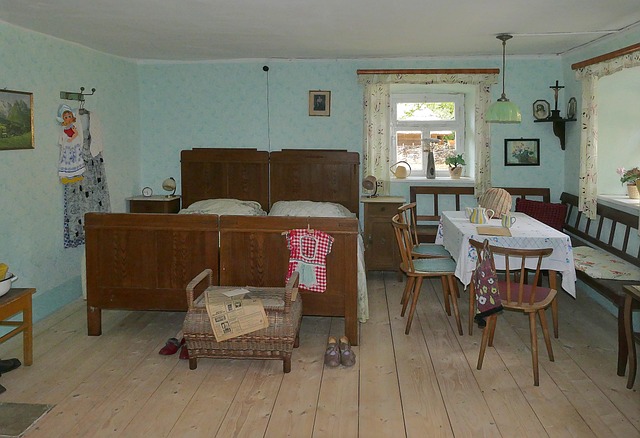
Farmhouse interior design values natural textures—oak beams, linen drapery, hand-cut stone floors—that express tactile warmth. In this restoration, these materials were chosen not for nostalgia but for their timeless relevance. Rustic finishes were balanced against refined Georgian geometry: panelled doors aligned perfectly with window axes; fireplaces reinstated as symmetrical anchors within reception rooms.
Craftsmanship bridged eras—handmade ironmongery paired with custom cabinetry echoing eighteenth-century joinery profiles yet designed for modern storage needs.
Respecting Original Features While Enhancing Liveability
Original fireplaces remained focal points but were adapted with efficient inserts to improve heating performance. Sash windows were refurbished rather than replaced; slim-profile double glazing preserved sightlines while improving thermal comfort. Decorative plaster cornices were restored by artisans using traditional moulds sourced from surviving fragments.
Adaptive reuse guided spatial planning: former service corridors became utility spaces; redundant parlours evolved into informal family rooms without disrupting circulation patterns established centuries ago.
Techniques for Blending Old-World Charm with Subtle Contemporary Interventions
Lighting played a crucial role in bridging eras—concealed LED strips highlighted ceiling roses while avoiding overtly modern fixtures. Kitchens integrated natural stone worktops atop bespoke cabinetry inspired by Georgian sculleries yet equipped with current appliances hidden behind paneled fronts.
Materiality and Craftsmanship in the Restoration Process
Material selection shaped both aesthetic coherence and environmental responsibility throughout the project.
Selecting Authentic Materials for a Cohesive Aesthetic
Historically appropriate paints such as limewash allowed walls to breathe while achieving soft matte finishes typical of Georgian interiors. Wide oak floorboards reclaimed from local barns provided continuity between past and present surfaces. Brass fittings aged naturally over time added patina that harmonized with antique furnishings rather than competing against them.
Using local quarries reduced transport emissions while ensuring material compatibility with existing masonry—a sustainable decision aligned with conservation ethics.
Collaboration Between Designers, Artisans, and Conservation Specialists
Restoration success relied on interdisciplinary teamwork: heritage consultants ensured compliance; joiners reproduced mouldings using traditional planes; decorative artists recreated marbled finishes once common in entrance halls of rural estates. Each craft contributed not only skill but historical literacy essential for authenticity.
Custom joinery offered practical upgrades—hidden drawers within wall panelling or integrated shelving beside chimney breasts—executed with period-accurate profiles that maintained architectural rhythm throughout interiors.
Spatial Reconfiguration and Interior Flow
Adapting an eighteenth-century plan to twenty-first-century living required careful negotiation between openness and order.
Adapting Traditional Layouts for Contemporary Lifestyles
Original kitchens located at rear service wings were expanded into open-plan living zones connecting directly to gardens through glazed doors designed within existing openings. This improved light penetration without altering external elevations—a key requirement under listing regulations.
Strategic removal of non-loadbearing partitions enhanced sightlines across axial corridors typical of Georgian planning principles while maintaining structural balance through concealed lintels.
Balancing Public and Private Spaces Within the Farmhouse Context
Formal drawing rooms retained their ceremonial proportions yet connected visually to casual family areas through transitional vestibules framed by restored architraves. Bedrooms upstairs followed original layouts but incorporated en suite facilities discreetly inserted within wardrobe recesses to preserve ceiling heights intact.
Sightlines remained symmetrical along primary axes so that even newly configured spaces respected historical rhythm—a subtle cue reinforcing architectural integrity across zones.
The Role of Color, Texture, and Furnishings in Defining Character
Color strategy was rooted in context—the surrounding landscape informed tonal choices that complemented aged stone exteriors visible through tall sash windows.
Curating a Palette Inspired by Rural Surroundings and Period Tones
Soft neutrals like chalk white or putty served as canvas tones offset by muted blues or sage greens historically documented in Georgian pigment charts. Textural layering deepened atmosphere: coarse linens alongside polished wood created tactile dialogue between rusticity and refinement typical of farmhouse interiors reinterpreted for today’s sensibilities.
Patina became storytelling—the slight irregularities of hand-brushed paint or burnished metal reminding occupants that age adds beauty rather than detracts from it.
Furniture Selection Reflecting Timeless Functionality and Formality Balance
Antique oak tables coexisted with minimalist seating upholstered in natural wool blends; proportions echoed classical symmetry while arrangements encouraged relaxed use rather than museum-like formality. Handcrafted furniture pieces commissioned from local makers reinforced artisanal continuity central to farmhouse interior design philosophy.
Lighting Design as an Architectural Enhancer
Light was treated as both tool and texture shaping perception of space throughout day cycles.
Integrating Natural Light Into the Restoration Strategy
Window reveals were deepened slightly during refurbishment to maximize daylight reflection across plastered surfaces without altering external frames—a delicate maneuver approved under listing oversight. Reflective finishes on hearth surrounds further distributed natural illumination into darker corners traditionally reliant on candlelight centuries ago.
Layered Artificial Lighting for Atmosphere and Emphasis
Subtle uplighting emphasized ceiling beams; concealed strips traced cornice lines creating gentle glow after dusk without visual clutter from fixtures imitating period forms too literally. Wall sconces crafted from forged iron referenced vernacular tradition yet housed efficient LED sources suited to energy-conscious living standards expected today.
Sustainability Considerations in Historic Farmhouse Interiors
Environmental responsibility formed part of every specification despite regulatory constraints inherent to listed buildings.
Energy Efficiency Within Heritage Constraints
Discreet insulation panels made from breathable wood fiber improved thermal performance behind lath-and-plaster walls where permitted by conservation officers. Underfloor heating systems provided consistent warmth compatible with flagstone floors while minimizing visual intrusion associated with radiators unsympathetic to historic settings.
Air-source heat pumps adapted for low-temperature operation complemented existing chimneys repurposed as flues for mechanical ventilation systems maintaining humidity balance critical to timber preservation longevity per ISO 16813 guidelines on building environment design standards (ISO).
Sustainable Sourcing Practices in Farmhouse Interior Design
Reclaimed timber reduced demand on new forestry resources; natural fabrics like hemp replaced synthetics wherever feasible; lime-based paints contained no volatile compounds improving indoor air quality per IEA recommendations on sustainable housing materials (IEA). Waste reduction strategies prioritized restoration over replacement ensuring embodied energy retained within original structure remained valuable asset rather than liability.
The Enduring Appeal of Revived Georgian Farmhouses
Beyond aesthetics lies emotional resonance—the sense that history continues through adaptation rather than stasis.
Relevance of Farmhouse Interior Design in Contemporary Practice
This project illustrates how heritage properties can meet modern expectations without losing soul: open-plan living coexists with classical symmetry; energy efficiency integrates invisibly beneath centuries-old beams; craftsmanship remains central even amid technological convenience demanded by today’s homeowners seeking authenticity over novelty.
Lessons for Future Restoration Projects
Future restorations benefit most when architects, interior designers, engineers, and conservators collaborate early under shared vision respecting both regulatory context and lived experience potential within historic fabric—a model increasingly endorsed across European conservation frameworks emphasizing adaptive reuse as sustainable development pathway (Bloomberg).
FAQ
Q1: What defines a Grade II-listed building?
A: It’s a structure recognized as nationally important due to special architectural or historic interest requiring consent before any alteration affecting its character can proceed legally under UK heritage law standards (Historic England).
Q2: Why is lime mortar preferred over cement during restoration?
A: Lime allows masonry to breathe naturally preventing trapped moisture that can cause long-term structural decay unlike rigid cement-based alternatives unsuitable for older substrates per English Heritage technical guidance notes (ISO 13822).
Q3: How can lighting enhance historical interiors?
A: Layered lighting highlights architectural details subtly adding depth while preserving period ambiance through concealed sources instead of overt fixtures mimicking antique styles unnecessarily reducing authenticity effect favored by professional conservators (IEEE Lighting Society).
Q4: Are energy upgrades possible without violating listing restrictions?
A: Yes if reversible methods such as secondary glazing or internal insulation panels are used following principles set out by national conservation codes balancing efficiency gains against material preservation (IEA).
Q5: What role do local artisans play in restoration projects?
A: They replicate traditional techniques ensuring repairs match original workmanship precisely sustaining regional craft traditions vital for cultural continuity across heritage architecture practices globally recognized by UNESCO craft safeguarding programs (UNESCO).