
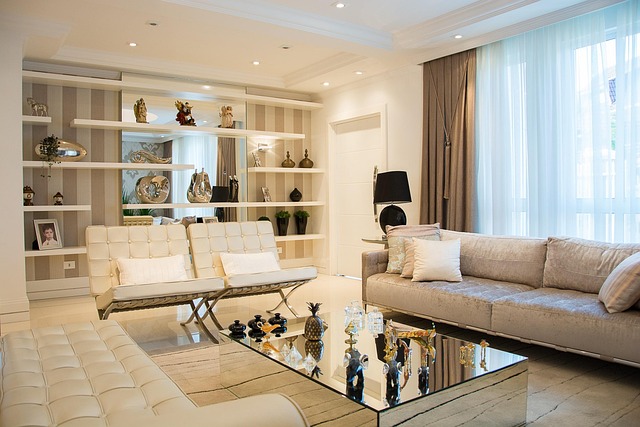
Is A Home Decor Designer Redefining Timeless Interiors Through Slow Decorating
Why the Best Designers Say Slow Decorating Is Key to Timeless Interiors
Slow decorating has become a defining principle among leading home decor designers who aim to create interiors that age gracefully. Rather than chasing seasonal trends, this approach values patience, craftsmanship, and emotional connection. The best designers argue that timeless interiors are not built overnight but evolve through deliberate choices that reflect both personal meaning and environmental responsibility. This philosophy aligns with the broader shift toward sustainable living, where beauty and longevity coexist.
The Concept of Slow Decorating in Contemporary Design
Slow decorating represents a countercurrent to fast consumerism in interior design. It emphasizes deliberate creation rather than instant gratification, focusing on spaces that grow richer over time.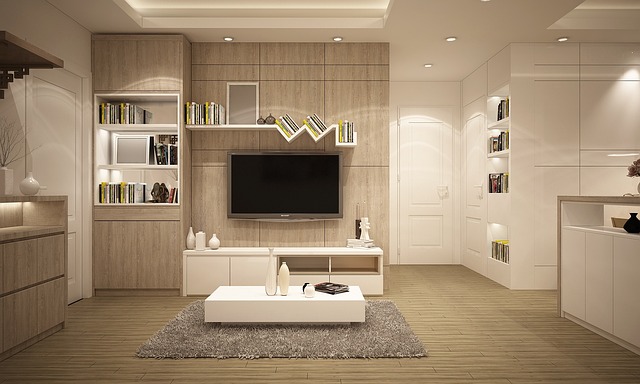
Defining Slow Decorating in the Context of Interior Design
In practice, slow decorating means designing with intention. Every object, texture, and color is chosen for its purpose and story. It prioritizes quality materials and craftsmanship over mass-produced items. A home decor designer working within this philosophy curates pieces that foster emotional connection—spaces feel lived-in rather than staged. The approach also reflects sustainable ideals by encouraging long-term usability instead of disposable décor cycles.
Historical Roots and Evolution of the Slow Decorating Movement
The movement draws inspiration from slow living and slow fashion, both of which advocate mindful consumption. It arose as a response to industrial mass production that often sacrifices individuality for efficiency. Over time, designers began reintroducing artisanal methods, celebrating imperfection as authenticity. This return to heritage techniques—handwoven textiles, reclaimed wood furniture—marks a revival of value-driven design practices that resist obsolescence.
How Home Decor Designers Are Redefining Timeless Interiors
Modern designers are reshaping what it means for an interior to be timeless. They reject short-lived aesthetics in favor of adaptable spaces grounded in narrative and function.
The Designer’s Role in Curating Enduring Spaces
A skilled home decor designer acts less like a stylist and more like a curator. Rather than following trends, they interpret personal stories through spatial composition. Cultural references or family heirlooms might become focal points that connect past and present. These curated layers allow interiors to evolve without losing coherence—a hallmark of timelessness.
Balancing Aesthetic Longevity with Modern Functionality
Timeless design doesn’t mean static design. Designers now blend enduring aesthetics with flexibility for changing lifestyles. Modular furniture, adjustable lighting systems, and concealed technology make homes responsive yet visually calm. Material selection plays a crucial role: oak floors that develop patina or brass fixtures that darken gracefully express beauty through use rather than despite it.
Principles Guiding the Slow Decorating Approach
At its core, slow decorating is guided by restraint and discernment—buying less but better, adding gradually rather than all at once.
Prioritizing Quality Over Quantity
Investing in fewer high-quality pieces yields greater satisfaction over time. This principle supports local artisans whose work embodies skill and durability. Each piece must justify its presence through tactile richness or emotional resonance. In doing so, designers cultivate interiors that feel complete even when sparsely furnished.
Layering Design Elements Over Time
Rather than completing a project in one sweep, slow decorating encourages gradual layering. Furniture is added as needs evolve; art finds its place only when meaning aligns with mood. This incremental process gives space for reflection and refinement—an organic rhythm akin to how people grow into their homes.
Materiality and Sustainability in Slow Decorating
Material choice lies at the heart of this philosophy: what lasts longest often feels best under hand and eye.
Choosing Materials That Stand the Test of Time
Natural materials—solid wood, linen, wool, stone—gain character as they age. Their imperfections record life’s passage instead of diminishing value. Designers increasingly assess lifecycle impacts before specifying finishes or furnishings, considering repairability alongside appearance. Patina becomes evidence of authenticity rather than damage to conceal.
Integrating Sustainable Practices into Design Decisions
Slow decorating integrates sustainability at every stage: upcycling vintage furniture reduces waste while preserving history; sourcing locally cuts transport emissions; using eco-friendly paints lowers indoor pollutants. Many home decor designers now collaborate directly with craftspeople within their region to maintain transparency from origin to installation—a small but meaningful shift toward ecological accountability.
Emotional Resonance and Human Connection in Timeless Interiors
Beyond form or function lies emotion—the invisible thread binding people to their environments.
Designing for Emotional Durability
Spaces designed for emotional durability invite comfort and continuity across decades. Personal artifacts—a grandmother’s chair reupholstered in new fabric or travel mementos displayed thoughtfully—anchor memory within modern context. Texture plays an equally vital role: soft linen curtains diffusing morning light can evoke calm more powerfully than any decorative flourish.
The Psychological Benefits of a Slower Design Process
A slower pace benefits not just design quality but mental well-being. Clients experience less decision fatigue when choices unfold deliberately instead of under pressure. As each layer settles naturally into place, appreciation deepens—for both material beauty and the process itself—which strengthens attachment between inhabitants and their surroundings.
The Future of Timeless Interiors Through Slow Design Philosophy
The next decade will likely see slow decorating move from niche idealism to mainstream expectation as clients demand authenticity over novelty.
Shifting Client Expectations Toward Conscious Consumption
Consumers increasingly recognize the environmental cost of disposable décor trends. They seek guidance from home decor designers who can articulate why restraint leads to richer results. Education becomes part of design service: explaining how enduring materials retain value longer than trend-driven alternatives fosters more conscious consumption habits.
How Technology Supports the Slow Decorating Ethos
Ironically, digital tools now help sustain analog values. Visualization software allows clients to preview long-term spatial harmony before committing resources, reducing impulsive decisions that lead to wasteful redesigns later. Virtual material libraries also make evaluating sustainable options more accessible across global supply chains—a pragmatic blend of innovation serving patience.
Redefining Success Metrics for Home Decor Designers
Success in this evolving field is measured not by novelty but by endurance—how well a space adapts without losing integrity or warmth over years of use. Recognition grows for designers who champion restraint over reinvention, patience over spectacle, purpose over performance.
FAQ
Q1: What distinguishes slow decorating from traditional interior design?
A: Traditional design often focuses on completing spaces quickly based on current trends; slow decorating values gradual evolution through intentional choices emphasizing craftsmanship and sustainability.
Q2: How does a home decor designer implement slow decorating principles?
A: They prioritize quality materials, integrate personal narratives into layouts, source locally produced furnishings, and allow projects to unfold organically rather than rushing completion.
Q3: Can slow decorating still incorporate modern technology?
A: Yes, technology is integrated subtly—smart systems are concealed or adaptive so they enhance daily life without visually dating the space.
Q4: Why do natural materials matter so much in this approach?
A: Natural materials age beautifully; their changing textures tell stories over time while maintaining structural integrity far longer than synthetic alternatives.
Q5: Is slow decorating more expensive?
A: Initial costs may be higher due to craftsmanship investment but long-term savings emerge from durability and reduced need for replacement or renovation cycles.