

What Makes Modern Farmhouse Interior Design a Timeless Aesthetic Choice
What You Need To Know About Modern Farmhouse-Style Interior Design
Modern farmhouse interior design has evolved into a refined blend of rustic warmth and contemporary elegance. It’s not just about reclaimed wood or shiplap walls anymore—it’s a design philosophy that celebrates simplicity, craftsmanship, and comfort while meeting the demands of modern living. This style bridges nostalgia and innovation, offering homes that feel both grounded and fresh. For professionals in architecture and interior design, the modern farmhouse represents an enduring aesthetic language that balances emotional resonance with technical precision.
The Essence of Modern Farmhouse Interior Design
The modern farmhouse aesthetic stands as one of the most versatile interpretations of contemporary living. It merges rural heritage with urban sensibility, producing interiors that are timeless yet adaptable to changing lifestyles.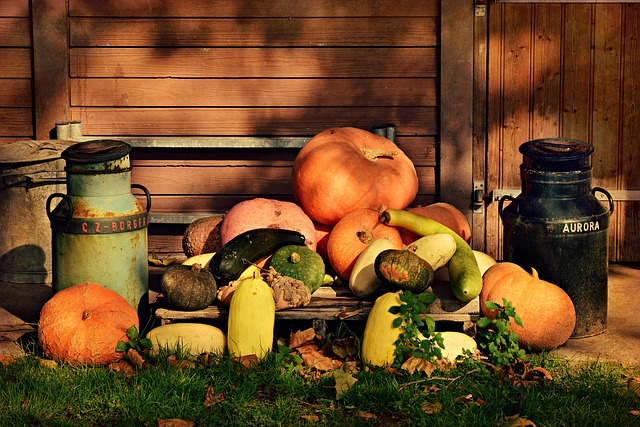
Defining the Modern Farmhouse Aesthetic
Modern farmhouse interior design combines rustic charm with contemporary sophistication. It emphasizes simplicity, comfort, and functionality—an approach where every element serves both form and purpose. Natural textures such as wood grain, linen, and stone dominate the palette, complemented by soft neutrals like white, beige, gray, and muted earth tones. These choices create a serene environment that feels lived-in but uncluttered.
Key Elements That Distinguish Modern Farmhouse Design
What sets this style apart is its balance between vintage materials and modern finishes. Reclaimed wood beams might frame a ceiling above polished concrete floors; shiplap walls contrast with matte black metal fixtures. Open layouts are essential—they invite natural light to flow freely across spaces, enhancing continuity between rooms. The result is a home that feels cohesive without being overly curated.
Architectural Foundations of the Modern Farmhouse Style
A well-executed modern farmhouse begins with thoughtful architecture. Structural integrity and spatial planning determine how materials, light, and function interact to define the atmosphere.
Structural Characteristics and Spatial Planning
Architecturally, modern farmhouses often feature pitched roofs, exposed beams, and expansive windows that maximize daylight. Open floor plans merge kitchen, dining, and living areas into one continuous social hub—a reflection of today’s preference for communal living. Transitions between indoors and outdoors are softened through porches or sliding glass doors leading to patios.
Material Selection and Construction Techniques
Material authenticity remains central to this style. Designers favor sustainable options such as reclaimed timber or locally sourced stone for their tactile richness and environmental responsibility. Matte metals—like brushed nickel or wrought iron—introduce subtle contrast against organic surfaces. Every joint or texture should reveal craftsmanship rather than conceal it; durability here is both practical and aesthetic.
The Role of Color, Texture, and Lighting in Design Harmony
Color schemes and material finishes play a decisive role in shaping mood within modern farmhouse interiors. When applied thoughtfully, they create harmony rather than competition among visual elements.
The Neutral Palette as a Foundation of Timelessness
Whites, creams, grays, and muted earth tones define the foundation of this style’s timelessness. These hues promote calm environments while allowing architectural details to stand out naturally. Layering different shades of neutral adds depth without cluttering visual space—subtle contrasts maintain interest while preserving cohesion.
Textural Interplay in Modern Farmhouse Interiors
Texture provides warmth where color remains restrained. Rough-hewn wood juxtaposed against smooth marble countertops or glass accents introduces tactile diversity. Upholstery made from natural fibers like cotton or wool enhances comfort while supporting sustainability goals common in high-end projects today. The interplay between roughness and refinement keeps spaces engaging yet balanced.
Lighting as a Defining Element of Atmosphere
Lighting defines more than visibility—it sets emotional tone. Industrial-inspired fixtures complement rustic materials by adding structure without heaviness. Layered lighting schemes combine ambient sources with task-focused illumination for kitchens or reading areas. Above all else, natural daylight remains paramount; large windows ensure openness feels genuine rather than staged.
Furniture and Décor Principles in Modern Farmhouse Spaces
Furniture selection shapes how users experience space daily—comfort must align with aesthetics while maintaining scale appropriate to open-plan designs.
Furniture Selection for Functionality and Comfort
In modern farmhouse interiors, furniture emphasizes craftsmanship over ornamentation. Pieces often feature simple lines with solid construction—oak dining tables paired with linen-covered chairs exemplify this ethos. Mixing antique finds with streamlined contemporary items creates tension that feels intentional rather than nostalgic. Oversized sofas encourage social interaction around fireplaces or communal tables.
Decorative Accents That Reinforce the Aesthetic Identity
Décor choices reinforce identity through restraint: minimalist artwork paired with handcrafted ceramics or woven baskets evokes authenticity without excess decoration. Greenery plays an important role too—potted olive trees or eucalyptus branches bring organic vitality indoors while maintaining neutrality in tone. Patterns appear sparingly through gingham cushions or striped throws to nod subtly toward tradition.
The Evolutionary Context: From Traditional Farmhouses to Modern Adaptations
The journey from rural practicality to contemporary sophistication reveals how deeply culture shapes spatial expression.
Historical Influences Shaping the Contemporary Interpretation
Traditional American farmhouses were built around necessity—large kitchens for family gatherings, durable materials for longevity, porches for ventilation before air conditioning existed. Over time these utilitarian forms evolved into symbols of honesty in design. Scandinavian minimalism later influenced their reinterpretation by introducing cleaner lines and lighter palettes suited for smaller urban dwellings.
The Fusion of Old and New in Current Design Practice
Today’s designers adapt traditional elements like barn doors or apron sinks within city apartments using innovative materials such as engineered wood or recycled steel frames. Smart home technology integrates seamlessly into rustic frameworks—from hidden climate controls to energy-efficient lighting systems—without compromising authenticity. This restrained fusion preserves emotional warmth while advancing functionality.
Why the Modern Farmhouse Remains a Timeless Aesthetic Choice
The continued popularity of modern farmhouse interiors lies not only in their visual appeal but also in their emotional accessibility across cultures.
Emotional Resonance Through Familiarity and Comfort
This design evokes nostalgia through familiar textures yet aligns perfectly with contemporary lifestyles centered on openness and connection. Spaces feel welcoming because they prioritize human interaction over perfectionism—a quality increasingly valued amid digital saturation.
Adaptability Across Architectural Typologies
Whether set against rolling countryside or within dense urban neighborhoods, modern farmhouse design adapts effortlessly due to its structural flexibility and neutral palette foundation. Its compatibility with sustainable practices further secures its relevance as environmental standards evolve globally under frameworks like ISO 14001 for sustainable building management systems.
FAQ
Q1: What defines modern farmhouse interior design?
A: It blends rustic materials like reclaimed wood with sleek finishes such as matte metal while emphasizing comfort through open layouts and neutral colors.
Q2: How does lighting influence this style?
A: Natural daylight dominates; layered artificial lighting enhances mood without overpowering textures or architectural features.
Q3: Are traditional farmhouses different from modern ones?
A: Yes—traditional versions focused on utility; modern adaptations reinterpret those principles using sustainable materials and updated technology.
Q4: Which colors best suit a modern farmhouse palette?
A: Whites, grays, beige tones, and muted greens work best because they maintain calmness while highlighting texture variations.
Q5: Why is this style still relevant today?
A: Its adaptability across settings—from rural homes to city lofts—and emphasis on emotional comfort make it timeless amid shifting design trends.