
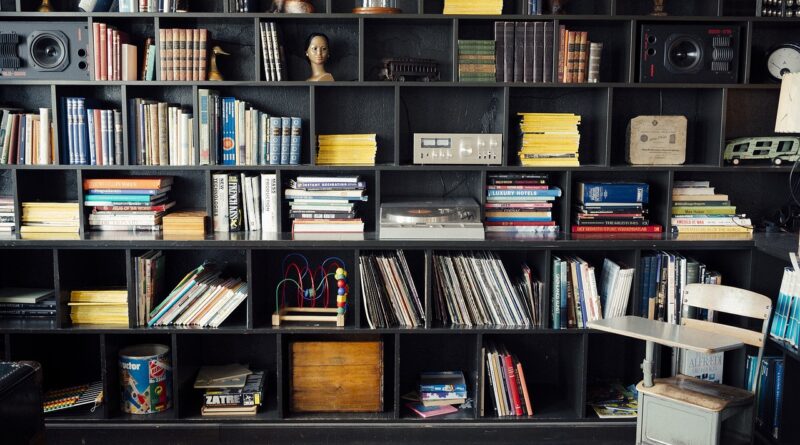
Bookshelf decor ideas that make storage look intentional
How to make bookshelf decor feel balanced instead of cluttered
Good bookshelf decor should make storage easier to use while giving the room a clear point of view. A well-styled shelf can still hold the books, objects, and everyday items that need to live there. The difference is in the editing: vary book placement, mix objects of different heights, leave some open space, and repeat colors or materials so the whole display feels connected.
In a home, office, living room, or hallway, a bookcase works as both architecture and furniture. Its vertical lines, shelf spacing, finish, and lighting affect the room before any accessory is added. The decor should support those built-in qualities rather than cover them up. The aim is not a showroom shelf that no one can touch, but a display that looks considered and still works in daily life.
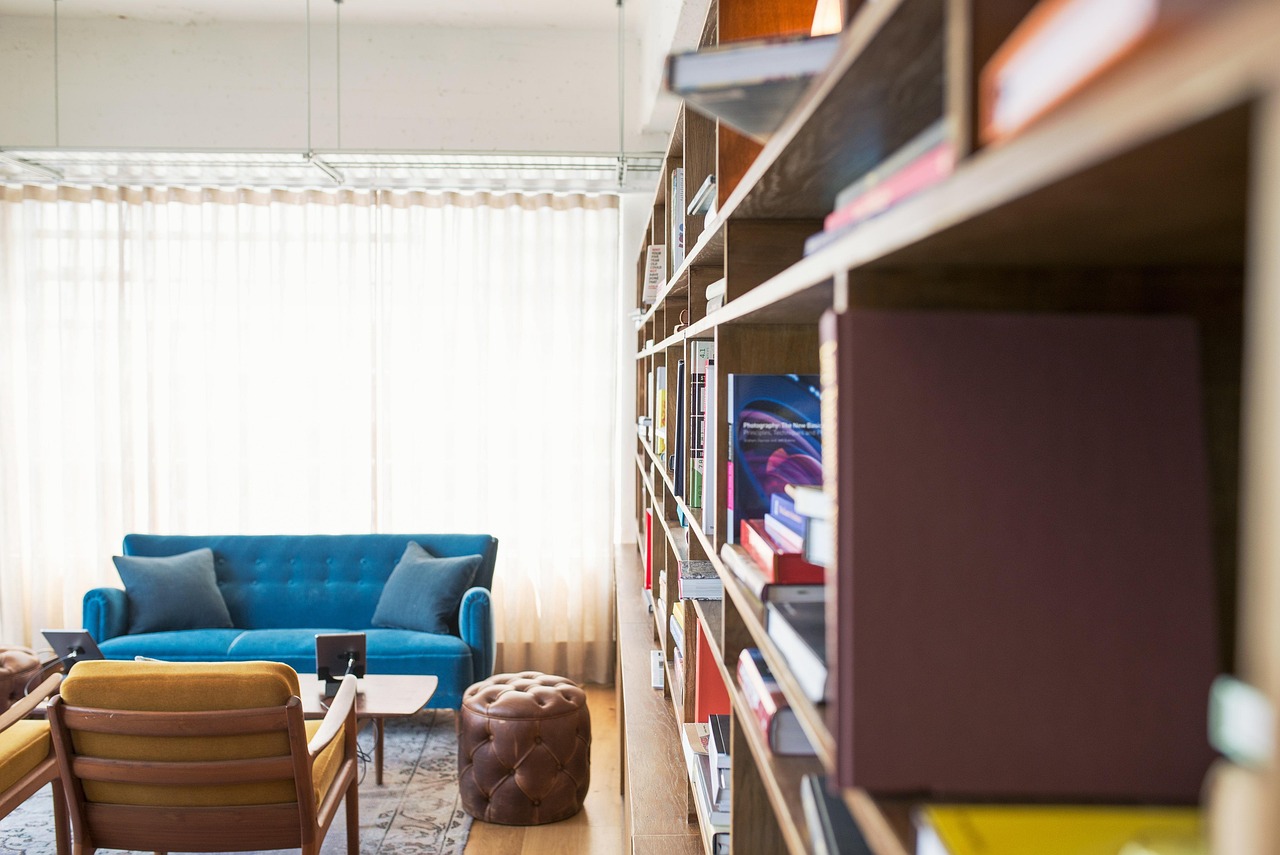
If you are planning broader room updates, Archithaus also covers related ideas in Furniture & Decor, where bookshelf styling sits naturally alongside storage, lighting, and interior detail decisions.
Start with the function before arranging objects
Before choosing decorative pieces, decide what the bookshelf needs to do. A shelf used for daily reading should be organized differently from a built-in used mainly as a living room backdrop. The same applies to a home office shelf that has to hold files, equipment, and reference books. Decor should make those uses look better, not make them harder.
Start by removing everything from the shelves and sorting items into four groups: keep on display, store in containers, move to another room, and donate or discard. This reset matters because most shelves become visually noisy over time. Books accumulate, small objects fill spare gaps, and useful storage slowly turns into background clutter.
Once the shelf is empty, look at the permanent features: shelf height, depth, color, backing material, and whether the bookcase is freestanding or built in. A dark wood bookcase can often carry more negative space and lighter objects. A white or pale oak bookcase may need contrast from darker frames, ceramics, or book jackets. A deep shelf can support layered arrangements, while a shallow shelf usually works better with slimmer books, framed prints, and low-profile objects.
Use books as the structure of the display
Books should not be treated as filler. They are usually the main visual material on the shelf because they set color, scale, and rhythm. The easiest way to avoid a stiff library look is to combine vertical rows with horizontal stacks.
Vertical rows work well where you want height, order, and easy access. Horizontal stacks create platforms for smaller objects, such as a ceramic bowl, a small sculpture, or a framed photograph. This gives small decor more presence without adding visual clutter.
A balanced shelf often uses books in three ways:
- Full vertical sections for frequently used books or visually strong collections.
- Short vertical groupings of three to eight books where the shelf needs structure but not heaviness.
- Horizontal stacks that act as visual anchors and create height variation.
Avoid arranging every book by color unless that system genuinely suits the room and the way the books are used. Color-blocked shelves can look striking, but they can also make books harder to find. A more livable approach is to group by subject or use, then adjust the most visible spines so the overall palette feels calm. If book jackets are too visually loud, place those books lower, mix them with neutral stacks, or turn a few oversized volumes horizontally.
Build rhythm with scale, shape, and negative space
The most common mistake in bookshelf styling is filling every inch. Negative space is not wasted space; it gives the eye a place to rest and helps the arrangement make sense. Without it, even good objects start competing with one another.
Think in small compositions rather than single items. Each shelf can have one primary visual moment and one or two supporting pieces. A large vase may anchor one shelf, while a stack of books and a framed print may anchor another. Repeating the same layout across every shelf can feel formulaic, so vary the placement from left to right and from shelf to shelf.
| Design choice | What it does | How to use it |
|---|---|---|
| Large anchor object | Creates a focal point | Use one vase, bowl, framed artwork, or sculpture on a shelf rather than several competing pieces. |
| Horizontal book stack | Adds a platform and lowers visual height | Place a small object on top only if it improves the composition. |
| Vertical book row | Brings order and practical access | Break long rows with an object or bookend so the shelf does not feel too dense. |
| Open space | Prevents clutter | Leave deliberate gaps around key objects, especially on eye-level shelves. |
| Repeated material | Connects the display | Repeat wood, brass, black metal, stone, glass, or ceramic in at least two areas. |
Scale is especially important. Tiny objects often disappear on a large bookshelf, while too many oversized pieces can make the display feel heavy. If an item is smaller than a typical paperback, group it with books or place it in a tray rather than leaving it isolated.
Choose a restrained color and material palette
A bookshelf does not need to match the room perfectly, but it should relate to the surrounding furniture and decor. Repetition is the simplest way to create that link. If the room has black window frames, black picture frames or bookends can connect the shelves to the architecture. If the room includes oak flooring or a walnut table, wood boxes or carved objects can echo that warmth.
For color, start with what is already fixed: wall color, bookcase finish, flooring, sofa fabric, rug, and major artwork. Then choose two or three accent tones for visible objects. This keeps the shelves from becoming a random collection of colors. Neutrals can still feel layered when the textures vary, such as linen boxes, matte ceramics, woven baskets, stone objects, and aged metal.
Materials also shape the mood. Glass feels light and reflective. Ceramic adds softness and handmade character. Stone brings weight. Metal sharpens the composition. Wood warms it. Woven materials make shelves feel more relaxed, but too many baskets can turn a bookshelf into a storage wall. The goal is not to include every material, but to choose a few that reinforce the room’s style.
Add art, lighting, and plants with purpose
Bookshelf decor becomes more layered when it includes items that are not shaped like books. Artwork, lighting, and plants can make a bookcase feel less rigid, but each one should be chosen for scale, placement, and function.
Artwork and framed pieces
Small framed prints, drawings, and photographs can be leaned against the back of a shelf or placed in front of book rows. Leaning art is often more flexible than hanging it inside the bookcase because it can be moved as the display changes. On a deeper shelf, layer a small object in front of a frame. On a shallow shelf, keep the frame simple so it does not push forward awkwardly.
Lighting
Lighting can dramatically change the way shelves read at night. Picture lights, integrated LED strips, puck lights, and small cordless lamps can all work, depending on the shelf type. Warm light is usually more flattering for books, wood, and decorative objects than cool light. If the bookshelf is used for reading or task storage, make sure the lighting is practical rather than purely atmospheric.
For built-ins, concealed lighting should be planned carefully so wiring, switches, and glare are addressed before installation. For renters or quick updates, battery-powered lights can be useful, though they require charging or battery changes and may not provide the same consistency as hardwired lighting. See also: Building Styles.
Plants
Plants soften hard shelf lines and add natural texture, but they should be selected for the actual light conditions. A plant that needs bright light will not thrive on a dim interior shelf. If the location is low-light, use hardy varieties suited to those conditions or choose preserved branches instead. Always protect shelves from water damage with a saucer, cachepot, or liner.
Make everyday storage look deliberate
Many real homes need bookshelves to store more than books and decor. Remote controls, chargers, documents, board games, craft supplies, and office items often end up on shelves because they need to stay accessible. The design challenge is to make that storage look deliberate rather than temporary.
Closed containers help, but they do not all need to be the same size unless a very uniform look is the goal. Mix boxes, baskets, magazine files, and lidded containers according to what they hold. Place heavier storage on lower shelves to visually ground the bookcase and make access safer. Reserve eye-level shelves for the most attractive books and objects because that is where the display is most visible.
Labels can help in a home office, craft room, or family space, but choose labels that suit the room. A polished living room may call for discreet tags or handwritten labels inside containers. A busy family area may benefit from larger, clearer labels that make cleanup easier.
One useful test is the five-second rule: if a guest can look at the shelf for five seconds and understand the major zones, the storage is probably working. If the eye jumps everywhere, remove a few small items, combine loose pieces into containers, or create stronger visual anchors.
Style different bookshelf types with the right approach
Not all bookcases should be styled the same way. The size, depth, and location of the shelf should guide the decor choices.
Built-in living room shelves
Built-ins often act as part of the architecture, especially around a fireplace, media wall, or window. Keep the most decorative shelves near eye level and the most functional storage lower down. If there is a television nearby, avoid placing too many high-contrast objects directly around it, as they can make the wall feel busy.
Freestanding bookcases
Freestanding shelves need careful attention to safety and proportion. Tall bookcases should be secured according to the manufacturer’s instructions, especially in homes with children or pets. Visually, lower shelves can carry heavier books and baskets, while upper shelves can hold lighter objects, art, and less frequently used books.
Open shelving in small rooms
In small rooms, clutter reads quickly. Use fewer colors, slimmer objects, and more open space. A small shelf can still have personality, but it should not hold every souvenir, book, and accessory at once. Rotating seasonal or personal objects can keep the display fresh without overcrowding the room.
A simple shelf-by-shelf styling method
If you are starting from scratch, use a methodical process rather than moving objects around at random.
- Place the largest books and storage containers first, usually on the lower shelves.
- Add vertical book groupings in uneven lengths so the shelf does not look too rigid.
- Create two or three horizontal book stacks across the bookcase.
- Add one larger anchor object to selected shelves, such as a vase, bowl, sculpture, or framed piece.
- Repeat one or two materials across the display to create continuity.
- Step back from the bookcase and remove items that feel small, unrelated, or crowded.
- Check the view from normal seating positions, not just from directly in front of the shelf.
Photographing the shelf can also help. A photo flattens the composition, making imbalance easier to spot. If one side feels too heavy, adjust the distribution of dark objects, large books, and open space. If the shelves feel too sparse, add more books before adding more decorative accessories.
Frequently asked questions
How many decor items should be on a bookshelf?
There is no fixed number, because shelf size and function matter more than a formula. As a practical guide, give each shelf one main visual focus and avoid filling every gap. If the shelf looks busy from across the room, remove the smallest or least useful objects first.
Should books be arranged by color or category?
Arrange books by category if you use them often. Arrange by color only if the bookshelf is mainly decorative and the system will not make books hard to find. A hybrid approach usually works best: organize by subject, then adjust the most visible spines for a calmer palette.
What can I put on a bookshelf besides books?
Good options include framed art, ceramics, bowls, small sculptures, boxes, baskets, plants, lamps, and meaningful personal objects. The key is to vary shape and scale while repeating a few colors or materials so the shelf feels connected.
How do I decorate a bookshelf without buying new items?
Start by editing what you already own. Re-stack books, move artwork from another room, use a bowl or tray to collect small items, and leave more open space. Many shelves look better after subtraction rather than after adding new decor.
How often should bookshelf decor be changed?
Change it when the shelf stops serving the room. Seasonal updates can be simple, such as switching a branch arrangement, rotating a few art pieces, or changing which books face outward. The core structure can stay the same while small details evolve.
The most important takeaway
Strong bookshelf decor is not about hiding storage or filling shelves with accessories. It is about editing, proportion, and repetition. Use books as the foundation, add objects with purpose, leave enough negative space, and let the shelves support the way the room is actually used. When the display feels personal, functional, and visually calm, the bookcase becomes more than storage; it becomes part of the architecture of the room.