
Above the bed wall decor ideas that balance scale, safety, and style
How to plan above the bed wall decor before choosing a piece
Above the bed wall decor needs to do more than fill blank space. A well-chosen piece gives the bed a clear visual anchor, helps balance the room’s height, and adds character without making the sleeping area feel crowded or unsafe. Scale is the best place to start. In many bedrooms, one artwork or a grouped arrangement looks most intentional when it spans about one-half to two-thirds of the bed width and sits close enough to the headboard to feel connected.
Safety is equally important. Heavy frames, glass, shelves, and decorative objects above the pillow zone require secure hardware and careful placement, especially in homes with children, pets, or seismic risk. The right solution depends on bed size, headboard height, ceiling height, wall finish, and how the room is used. A low-profile bedroom may only need one quiet textile or a pair of framed prints. A tall wall may call for a larger artwork, a shaped mirror, architectural paneling, or a layered arrangement. The goal is not to follow a fixed formula, but to make the wall above the bed feel considered.
Start with scale, spacing, and the bed width
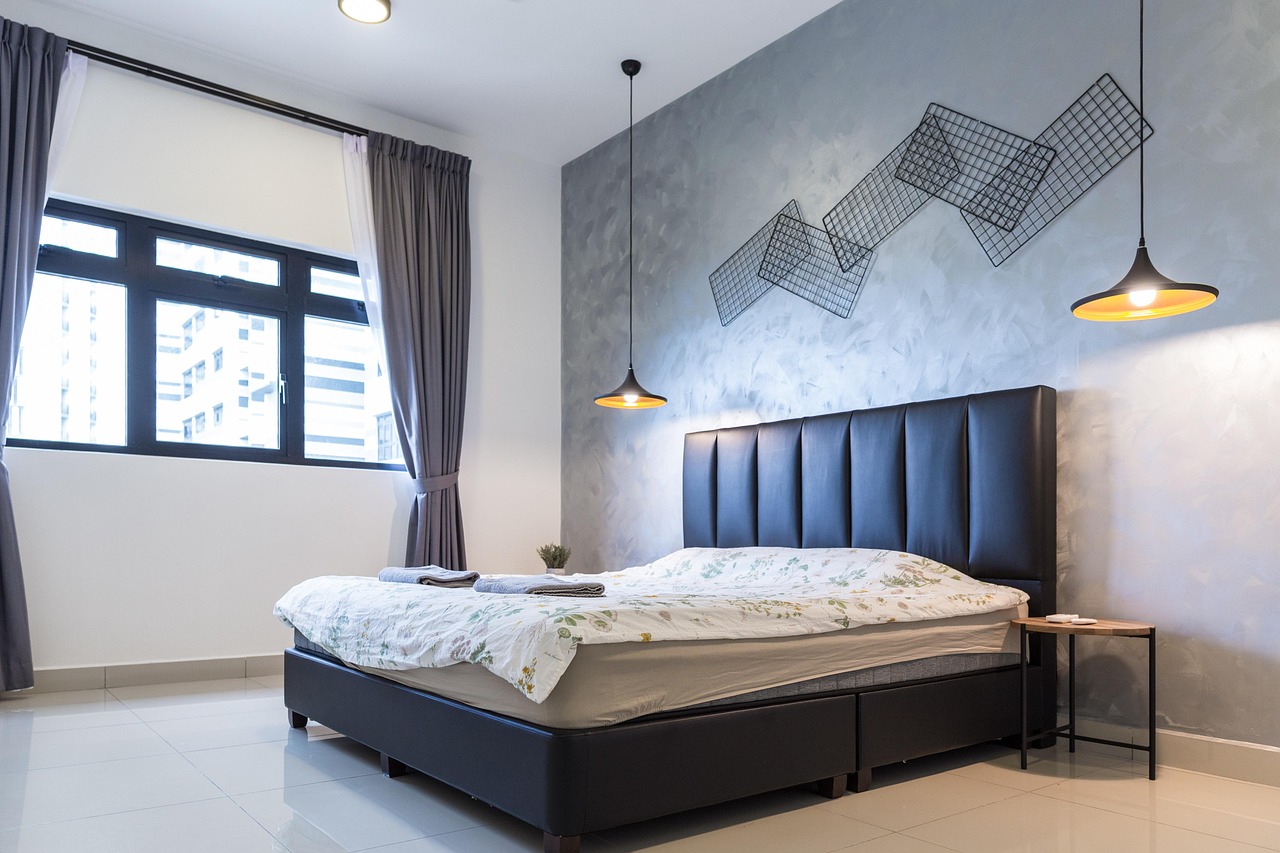
Scale is the most common reason above-bed decor feels off. A small frame above a queen or king bed can look isolated, while an oversized piece can make the wall feel heavy and cramped. As a practical visual guideline, choose one artwork, mirror, textile, or arrangement that covers about 50% to 70% of the bed width. The range is flexible, but it helps the decor relate to the furniture below it.
Spacing also affects how composed the wall feels. If the bed has a headboard, the bottom edge of the artwork or wall object often works well roughly 6 to 10 inches above it. This keeps the decor visually connected to the bed instead of floating too high. If there is no headboard, the decor usually needs to sit higher above the mattress, with enough clearance for pillows, sitting up, and daily movement.
| Bed size | Approximate bed width | Suggested decor width range |
|---|---|---|
| Twin | 38 inches | 19 to 27 inches |
| Full | 54 inches | 27 to 38 inches |
| Queen | 60 inches | 30 to 42 inches |
| King | 76 inches | 38 to 53 inches |
| California king | 72 inches | 36 to 50 inches |
These measurements are guidelines, not strict rules. A narrow piece can work if it is tall, sculptural, or balanced by lamps and nightstands. A wider gallery arrangement can also extend beyond the headboard if the bedroom is large and the surrounding furniture supports the composition.
Choose decor that matches the mood of the bedroom
The wall above the bed is one of the strongest visual points in a bedroom, so it should support the room’s mood rather than compete with it. A restful bedroom often benefits from soft contrast, natural texture, and simple forms. A more expressive room can handle stronger color, graphic art, or asymmetrical styling.
Large framed art for a clean focal point
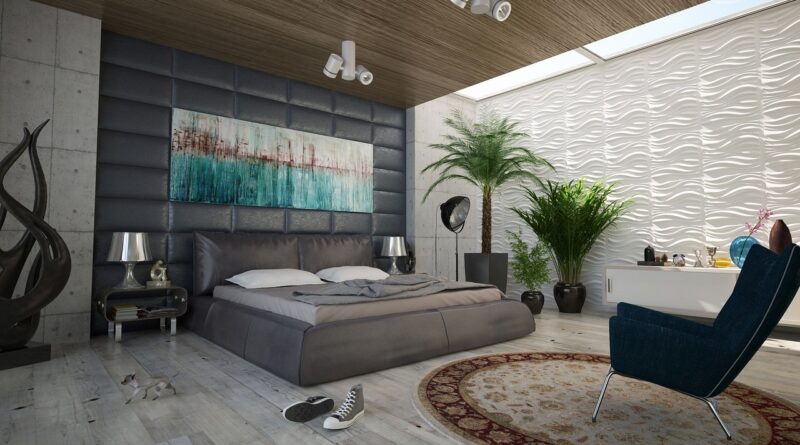
A single large artwork is one of the simplest ways to create order. It works especially well when the bed, headboard, and nightstands already provide enough visual detail. Landscapes, abstract compositions, botanical studies, architectural photography, and minimal line drawings can all suit this placement. For a cohesive result, relate at least one color in the artwork to the bedding, rug, curtains, or accent furniture.
Pairs and triptychs for symmetry
Two framed prints or a three-piece triptych can bring rhythm to the wall without the busyness of a full gallery wall. This approach suits bedrooms with matching nightstands, wall sconces, or a centered headboard. Keep the spacing between frames consistent and narrow enough that the pieces read as one composition.
Textiles for warmth and softness
Woven wall hangings, fabric panels, quilts, and tapestries can make above the bed wall decor feel softer than framed glass. They are useful in bedrooms where acoustics, warmth, or texture matter. A textile can also balance harder surfaces such as plaster, concrete, metal lighting, or stone-topped nightstands.
Mirrors when light is the main goal
A mirror above the bed can brighten a room and add shape, but it should be used carefully. It usually works best when it reflects a calm view, a window, or an attractive architectural detail rather than a cluttered corner. For safety and comfort, choose secure hanging hardware and avoid placing a very heavy mirror where it feels visually or physically risky above pillows.
Safety and installation should guide the final decision
Decor above a bed is different from decor above a console or sofa because people sleep directly beneath it. Installation quality is therefore part of the design decision, not just a technical detail. If a piece is heavy, framed in glass, or mounted with projecting hardware, it needs secure anchoring into studs or appropriate wall anchors for the wall type. Drywall, plaster, masonry, and wood paneling each require different fasteners.
For households with children, pets, bunk-style layouts, or frequent movement around the bed, lighter decor is often the wiser choice. Canvas, unframed panels, textile art, carved lightweight wood, or paper-based works can reduce risk compared with heavy framed glass. If framed art is preferred, acrylic glazing may be more practical than glass in some bedrooms.
Shelves above the bed need particular caution. They can look attractive in photographs, but books, ceramics, candles, and small objects may fall if the shelf is overloaded or poorly secured. If a shelf is used, keep it shallow, mount it properly, and style it with lightweight items. Avoid placing loose or breakable objects directly above where someone sleeps.
Design ideas for different bedroom styles
A strong above-bed design does not require a complicated installation. The most effective choice often repeats the bedroom’s existing language of color, shape, and material. For more bedroom styling ideas, browse the Furniture & Decor section.
Modern and minimalist bedrooms
In a modern bedroom, restraint is often more effective than quantity. Consider one oversized abstract artwork, a monochrome photograph, a slim wood relief, or a fabric panel in a controlled palette. Let negative space remain visible around the piece. Black, oak, walnut, linen, and warm white finishes are especially useful because they add definition without visual noise.
Traditional and transitional bedrooms
Traditional rooms can support framed botanical prints, landscape art, antique-style mirrors, or symmetrical pairs. Transitional bedrooms often work best when classic subjects are presented in cleaner frames. For example, a pair of muted landscape prints in simple wood frames can bridge ornate bedding and contemporary lighting. See also: Building Styles.
Bohemian and relaxed bedrooms
Bohemian bedrooms often benefit from texture and layering. A woven hanging, macrame piece, patterned textile, or mixed-material arrangement can create a warm focal point. To keep the wall from feeling chaotic, repeat colors already present in the rug, throw pillows, or bedding, and limit the number of competing patterns.
Small bedrooms and apartments
In a small bedroom, above-bed decor should add depth without taking away usable space. Flat artwork, a slim textile, or a painted wall feature may be better than shelves or bulky objects. Vertical art can make a low wall feel taller, while a horizontal piece can make a narrow bed wall feel wider. Renters can also consider lightweight pieces that require minimal wall repair when removed.
Alternatives to framed art above the bed
Framed art is not the only option. In many bedrooms, the most architectural solution is to treat the wall itself as the decor. This can be especially effective when the room needs texture but not more objects.
- Painted panels: A color block, arch, or horizontal band can frame the bed without adding weight above it.
- Wallpaper: A patterned or textured wallcovering can turn the entire bed wall into a feature, especially behind a simple headboard.
- Wood slats or paneling: Vertical boards can add height, while horizontal paneling can make the room feel wider.
- Upholstered headboard extensions: A taller headboard can reduce the need for separate wall decor while adding comfort and softness.
- Sconces with negative space: Sometimes the best above-bed wall treatment is a clean wall framed by lighting on both sides.
These alternatives are useful when the bed wall already has strong architectural features, such as windows, beams, niches, or dramatic lighting. They also help in rooms where hanging heavy objects is impractical.
Common mistakes to avoid
The first mistake is hanging decor too high. When artwork sits close to the ceiling and far from the headboard, the bed and wall no longer feel connected. The second is choosing a piece that is too small for the bed. Small art can still work, but it usually needs support from other elements, such as sconces, a tall headboard, or a grouped arrangement.
Another common issue is ignoring the headboard. A tall, patterned, or tufted headboard may already act as the focal point, so the wall above it may only need a quiet piece or none at all. By contrast, a low platform bed often needs a stronger visual anchor above it.
Color imbalance can also weaken the room. Above-bed decor does not need to match the bedding exactly, but it should belong to the same palette. If the artwork introduces a bold color that appears nowhere else, repeat that color in a pillow, throw, vase, or small accessory so the decision feels intentional.
Finally, avoid copying a look without considering the room’s proportions. A dramatic oversized canvas may suit a high-ceilinged primary bedroom but overwhelm a compact guest room. A shelf filled with ceramics may look charming in a styled image, but it may not be practical above a bed used every night.
Frequently asked questions
How high should wall decor be above a bed?
If the bed has a headboard, a common spacing range is about 6 to 10 inches between the top of the headboard and the bottom of the decor. Without a headboard, allow more clearance above the mattress so pillows and daily movement do not touch the piece.
How wide should above the bed wall decor be?
A practical guideline is to choose decor that spans about 50% to 70% of the bed width. For a queen bed, that often means a piece or arrangement roughly 30 to 42 inches wide. Larger rooms, tall ceilings, and broad headboards may support wider arrangements.
Is it safe to hang a mirror above the bed?
It can be safe if the mirror is appropriately sized, securely mounted, and suited to the wall type. However, very heavy mirrors or poorly anchored pieces are not ideal above a sleeping area. Lightweight alternatives or acrylic glazing may be more comfortable choices in some rooms.
What can I use instead of artwork above the bed?
Good alternatives include textiles, wallpaper, painted shapes, wood paneling, upholstered headboard extensions, sculptural wall pieces, or a clean wall framed by sconces. The best option depends on whether the room needs color, texture, height, or simplicity.
Should above-bed decor match the bedding?
It does not need to match exactly. A more natural approach is to repeat one or two colors, materials, or shapes from the bedding, rug, curtains, lighting, or furniture. This creates connection without making the room look overly coordinated.