
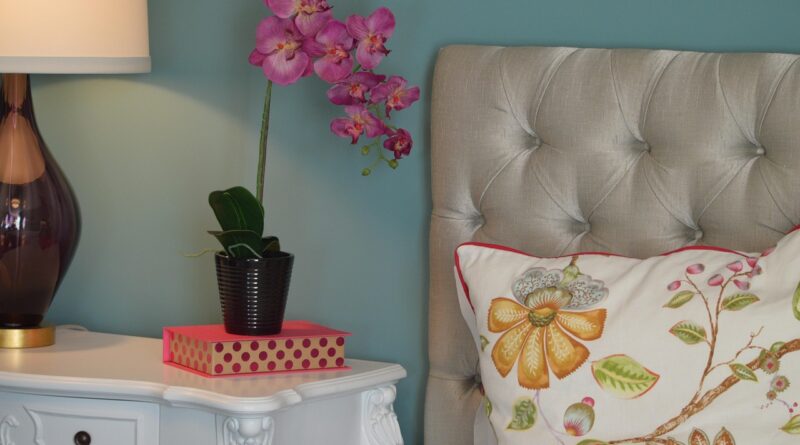
Nightstand decor ideas that balance style, storage, and better sleep
Start with function, then edit for style
Good nightstand decor should make a bedroom feel calmer, not more crowded. A well-planned bedside table usually does three things: provides reliable light, keeps nightly essentials within reach, and adds one or two decorative elements that connect with the rest of the room. That balance matters because the nightstand sits where design meets routine. It should look considered, support bedtime habits, and remain easy to clean.
For readers exploring broader bedroom and interior ideas, the Furniture & Decor section offers related context on how furniture choices shape atmosphere. This guide focuses on practical nightstand decor: what to place, what to remove, how to scale accessories, and how to avoid styling choices that work against comfort, storage, or sleep.
Choose the right scale before adding accessories
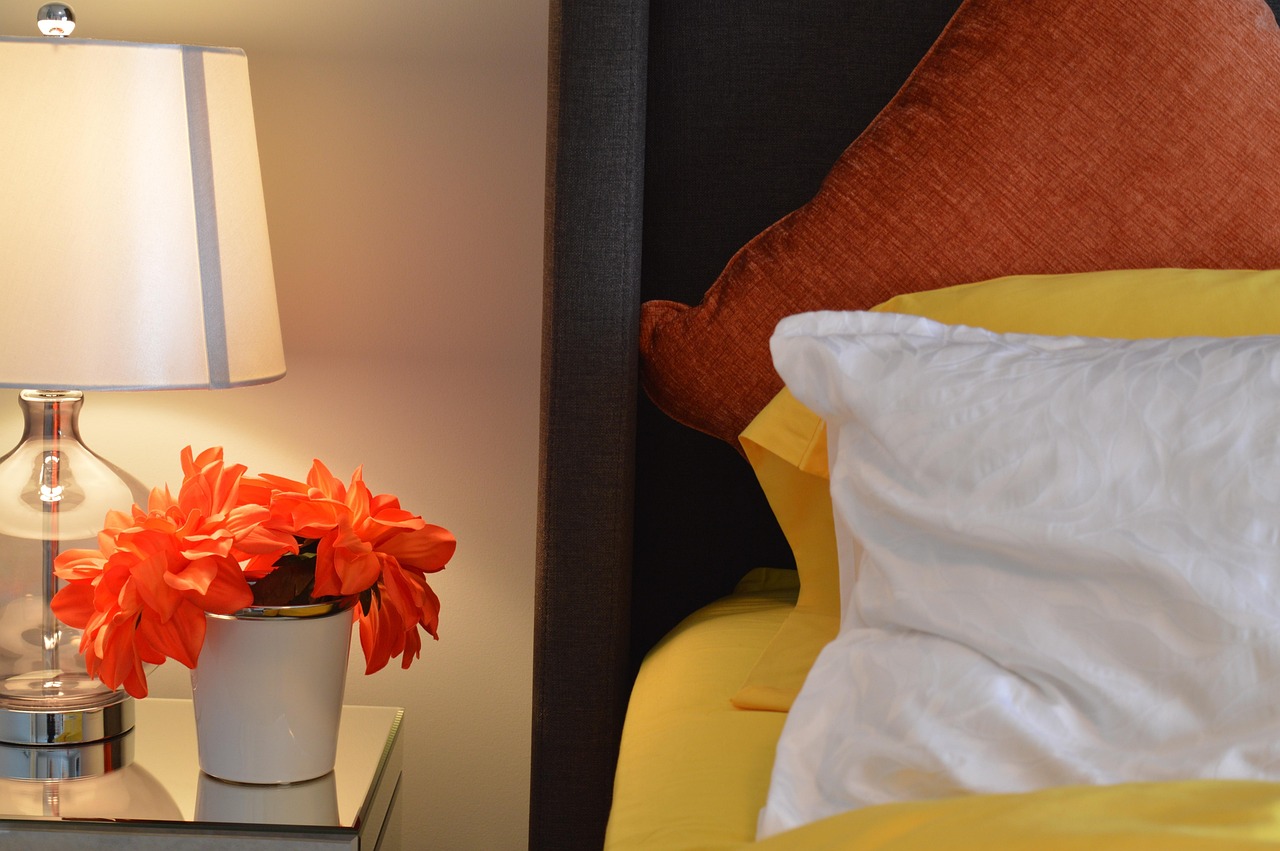
Many bedside tables look cluttered not because they hold too many objects, but because the objects are the wrong size for the table. Scale should come before color, material, or decorative theme. A tiny lamp on a wide nightstand can look accidental. An oversized vase on a narrow table can block reach, make drawers awkward to use, or increase the chance of items being knocked over at night.
Match height to the bed
As a practical design rule, the tabletop should sit close to the top of the mattress. A slightly higher or lower nightstand can still work, but large height differences make lamps, books, water glasses, and phone chargers harder to reach. If the bed is tall because of a deep mattress, platform base, or layered bedding, a taller nightstand usually looks more intentional than a short table loaded with accessories to compensate.
Respect the table width
The width of the nightstand should guide the number of decorative layers. A compact table may only have room for a lamp and a small tray. A wider chest can support a lamp, book stack, vase, and framed object, provided the arrangement still leaves open surface area. A useful test is to keep at least one-third of the tabletop visually clear. Empty space is not wasted space; it helps the styled objects look selected rather than stored.
Consider visual weight
Visual weight is not the same as physical size. A black ceramic lamp, dark wood box, or sculptural stone object can feel heavier than a larger clear-glass piece. If the nightstand already has a dark finish, thick legs, or substantial drawers, lighter accessories can prevent the bedside area from feeling dense. If the nightstand is slim, pale, or open-framed, a more substantial lamp or textured vessel can give it presence.
Build a three-zone bedside arrangement
A practical way to style a nightstand is to divide the surface into three zones: lighting, reach, and display. This prevents the common mistake of treating the top like a miniature shelf. Each object has a role, and the decorative pieces support the room rather than competing with daily use.
| Zone | What belongs there | Why it works |
|---|---|---|
| Lighting zone | Table lamp, wall sconce control, or small task light | Creates height, anchors the composition, and supports reading or winding down |
| Reach zone | Tray, coaster, glasses, watch, book, or phone charger | Keeps essentials contained so the surface does not become visually scattered |
| Display zone | Small vase, framed photo, art object, candle, or plant | Adds personality, texture, color, and a link to the room palette |
The lighting zone usually carries the tallest object. The reach zone should be the easiest to access from bed. The display zone can sit slightly behind or beside the practical items, depending on the table shape. On a narrow nightstand, these zones may overlap, but the principle still helps: one tall item, one practical catch-all, and one decorative accent is often enough.
Use a tray to make small items look intentional
A tray is one of the simplest tools in nightstand decor because it turns loose items into a defined group. Choose a tray that suits the room: leather for warmth, metal for polish, wood for softness, ceramic for color, or woven material for a relaxed bedroom. Keep the tray shallow so it does not become a drawer substitute. If it holds more than the items used every night, it will quickly become clutter.
Layer height without blocking movement
Height variation keeps the arrangement from looking flat. A reliable formula is a tall lamp, a medium framed object or vase, and a low tray or book stack. The key is to avoid height where the hand naturally moves in the dark. Tall flowers, sharp decorative objects, or leaning frames may look appealing in photos, but they become frustrating if they crowd the usable edge of the nightstand.
Use lighting and devices without working against sleep
Nightstand styling should support how the bedroom feels after dark. Sleep-focused organizations consistently emphasize a dark, quiet, comfortably cool bedroom as part of a healthy sleep environment, and the National Sleep Foundation commonly gives 60 to 67 degrees Fahrenheit as a helpful bedroom temperature range. The Sleep Foundation also notes that low light and reducing electronic device use in the bedroom can support better winding down. (sleepfoundation.org)
For decor, this does not mean the nightstand has to be empty or austere. It means the styling should control light, reduce visual noise, and simplify bedtime routines. A shaded lamp with a warm bulb often feels softer than an exposed bright bulb. A dimmer, where available, gives the nightstand more flexibility for reading, dressing, or moving around at night. If a phone must charge beside the bed, a cord channel, charging tray, or drawer outlet can reduce cable clutter.
Alarm clocks, smart speakers, and phone stands should be treated as design objects because they remain visible every day. Choose one primary device rather than a cluster of screens. If a digital display is bright, angle it away from the sleeping position or choose a model with dimming controls. The aim is not to remove technology from every bedroom; it is to keep technology from dominating the surface that is supposed to help the room wind down.
Nightstand decor ideas by room style
The best bedside arrangement should suit the room’s architecture and furniture, not just follow a social media formula. Materials, symmetry, texture, and negative space all affect how polished the nightstand feels.
Minimal bedrooms
In a minimal bedroom, use fewer objects with stronger forms. A sculptural lamp, a low tray, and a single book can be enough. Keep the palette tight: white, warm wood, black, stone, or brushed metal. The mistake to avoid is making minimal decor so sparse that it feels unfinished. Texture can solve this. A linen shade, matte ceramic vase, or ribbed glass dish adds depth without adding clutter.
Warm modern bedrooms
Warm modern rooms usually benefit from mixed natural materials. Try a wood nightstand with a ceramic lamp, linen shade, woven tray, and small branch arrangement. The palette can stay neutral while the surfaces vary. This style works particularly well when the bed has upholstered fabric, because the nightstand decor can bring structure beside a soft headboard. See also: Building Styles.
Traditional bedrooms
Traditional spaces can handle more layering, but editing still matters. A classic lamp, framed photo, small box, and hardcover books can look refined if the objects share a controlled palette. Symmetry works well in traditional primary bedrooms, especially with matching nightstands and lamps. To avoid a showroom effect, vary one small element on each side, such as a floral arrangement on one table and a lidded box on the other.
Small bedrooms
Small bedrooms need nightstand decor that works vertically. Wall sconces free up tabletop space, floating shelves create a lighter footprint, and narrow drawers hide essentials. A compact bedside surface may look best with only a sconce, coaster, and small dish. If the room lacks storage, prioritize a nightstand with at least one drawer over an open table that leaves everything visible.
Style pairs of nightstands without making them identical
Bedrooms with two nightstands raise a common design question: should both sides match? Matching tables and lamps create calm, which is useful in formal or compact bedrooms. However, identical styling can look stiff. A more livable approach is balanced variation. Keep the main silhouettes similar, then change the smaller accessories.
For example, both sides might have matching lamps, while one side uses a book stack and bowl and the other uses a vase and framed print. If the tables are different, repeat another element to connect them, such as matching lampshades, similar metal finishes, or a shared color. The viewer should sense that the two sides are in conversation, not that they came from separate rooms.
- For symmetry: match the nightstands, lamps, and major heights, then vary small objects.
- For relaxed balance: use different accessories in the same palette or material family.
- For mismatched tables: repeat lamps, art frames, or hardware finishes to unify the pair.
- For very small rooms: consider one nightstand and one wall shelf rather than forcing a cramped pair.
Safety, staging, and maintenance details that matter
Nightstand decor is not only about appearance. In homes with children, pets, or unstable furniture, safety should shape styling choices. The U.S. Consumer Product Safety Commission’s Anchor It! campaign has continued to urge households to secure furniture and televisions to reduce tip-over hazards; a July 29, 2025 CPSC release marked 10 years of that campaign. Heavy objects, tall lamps, and stacked books should be positioned with stability in mind, especially on lightweight or narrow bedside tables. (cpsc.gov)
Staging is another practical consideration. The National Association of Realtors’ 2025 home staging information reported that many buyers’ agents find staging helpful for helping buyers visualize a property, and the primary bedroom is among the rooms commonly staged. For nightstands, that supports a restrained approach: lamps, fresh-looking bedding nearby, minimal personal items, and enough open surface space to make the bedroom feel usable. (nar.realtor)
Maintenance should also guide the final edit. A beautiful bedside arrangement that has to be dismantled for dusting every week may not last. Avoid too many tiny objects, dried botanicals that shed, or open dishes that collect receipts and hair ties. Closed boxes, wipeable trays, washable lampshades, and one easy-to-refresh natural element are more durable choices.
A simple editing checklist
- Can the lamp be turned on without moving another object?
- Is there a clear place for a book, water glass, or glasses?
- Are cords hidden, clipped, or visually minimized?
- Does at least one object connect to the room’s color palette?
- Is anything fragile, sharp, unstable, or too close to the bed edge?
- Can the surface be cleaned in less than one minute?
Frequently asked questions
What should I put on a nightstand?
Start with a lamp or lighting control, a tray or dish for essentials, and one decorative accent such as a small vase, framed photo, candle, plant, or sculptural object. If the table is small, stop there. If it is wide, add books or a lidded box for height and storage.
How do I decorate a nightstand without clutter?
Use the three-zone method: lighting, reach, and display. Keep daily-use items in one tray and limit decorative pieces to one or two. Choose fewer, larger objects instead of many small ones, and leave visible empty space on the tabletop.
Should both nightstands match?
They can match, but they do not have to. Matching pieces create calm and symmetry, while coordinated but different pieces can feel more personal. If the nightstands differ, repeat lamps, finishes, colors, or accessory shapes so the room still feels intentional.
How can I decorate a nightstand in a small bedroom?
Use wall-mounted lighting, a narrow table with a drawer, and a small tray for essentials. Keep the decorative layer vertical and light: a framed print above the nightstand, a tiny vase, or one stack of books. Avoid oversized lamps and wide accessories that reduce usable surface area.
What is the biggest nightstand decor mistake?
The most common mistake is styling the nightstand only for appearance and ignoring nightly use. If the arrangement blocks the lamp switch, leaves no room for essentials, exposes messy cords, or makes cleaning difficult, it will not function well no matter how attractive it looks in a photo.