
Dresser top decor ideas that make a bedroom feel finished
Start with function, then build the display
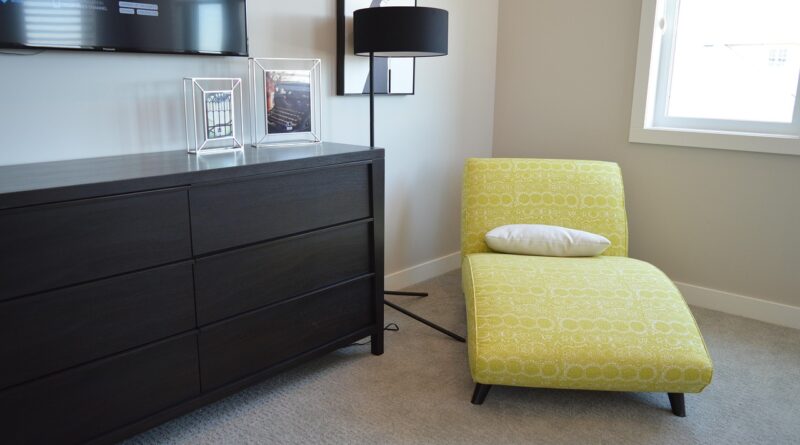
Dresser top decor works best when it does two jobs at the same time: it makes the bedroom feel more complete and keeps daily items from becoming clutter. Start by dividing the surface into simple zones for lighting, personal storage, display, and open space. Rather than filling the entire top, choose a few pieces with different heights, textures, and purposes. A lamp, mirror or artwork, tray, small vessel, and one organic accent are often enough for a balanced arrangement.
The dresser does not need to look like a showroom vignette. It needs to support real habits: where jewelry goes at night, where loose change lands, where fragrance bottles sit, and whether you need light while dressing. When the layout reflects those routines, it is easier to maintain and more likely to stay attractive over time.
For more room styling ideas, browse the Furniture & Decor section.
Use proportion to match the dresser and the room
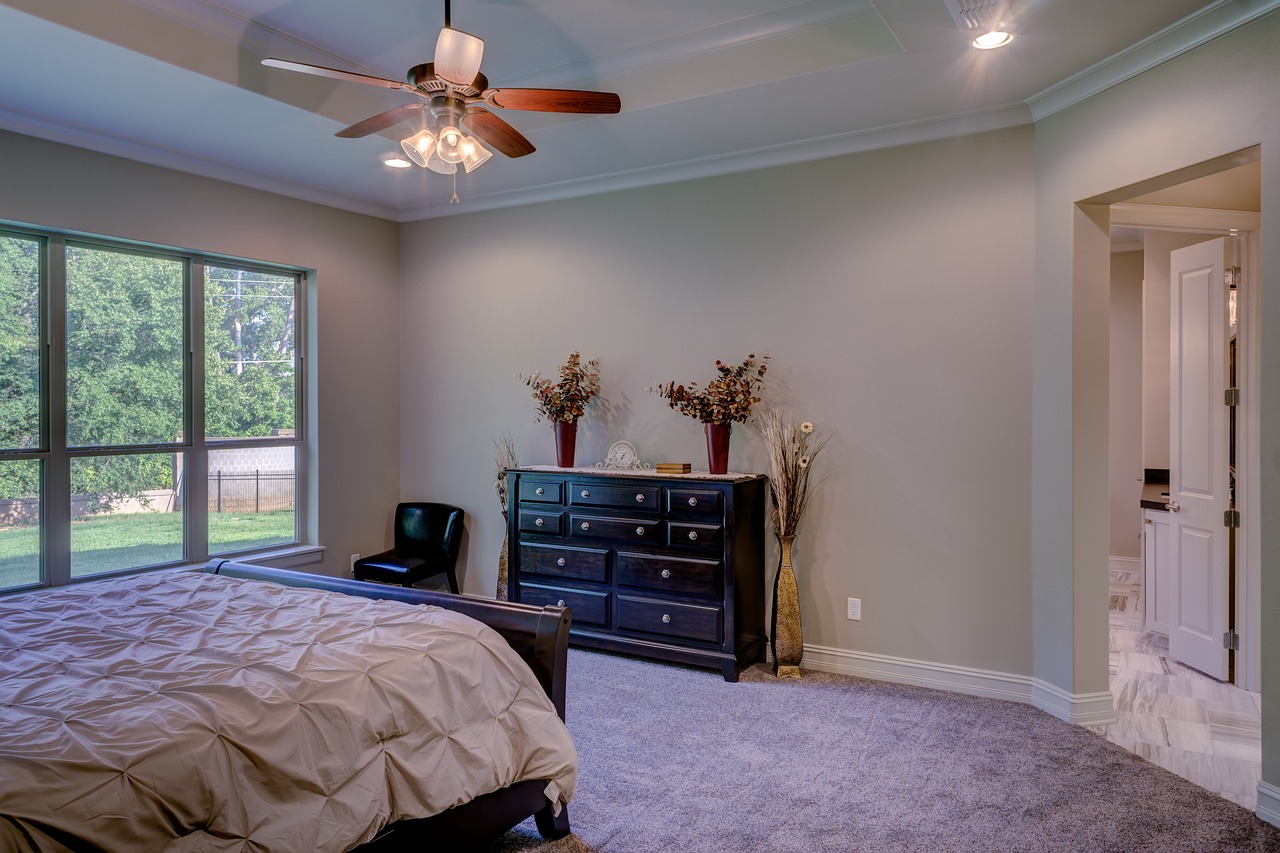
The size and shape of the dresser should guide the scale of everything placed on top. A wide, low dresser can carry a larger mirror, a pair of lamps, or a broader tray. A tall, narrow chest usually looks better with fewer objects and one clear vertical accent, such as framed art or a slim lamp. Proportion matters because the eye reads the dresser, wall, and accessories as one composition.
As a practical rule, avoid decor that is so small it disappears or so large it gets in the way. A tiny candle by itself on a six-drawer dresser can look accidental. A large vase that makes drawers awkward to open is also a problem. Leave clearance for drawer pulls, wall switches, and natural hand movement.
| Dresser type | Best decor approach | What to avoid |
|---|---|---|
| Wide double dresser | Use a strong anchor such as a mirror or artwork, then balance it with a lamp, tray, and lower accents. | Too many small objects spread evenly across the full width. |
| Tall chest | Keep the top simple with one vertical piece and one contained storage item. | Heavy decor that makes the dresser look top-loaded. |
| Low modern dresser | Choose sculptural objects, a low bowl, books, or a horizontal artwork. | Overly tall pieces that fight the clean profile. |
| Vintage dresser | Mix practical pieces with softer accents such as a ceramic dish, framed photo, or small vase. | Decor that hides original hardware or wood detail. |
Choose one anchor piece to organize the surface
An anchor gives the dresser top a visual center and makes the rest of the arrangement easier to edit. In bedrooms, the most common anchors are mirrors, framed artwork, lamps, and occasionally a large vase or sculptural object. The anchor does not have to sit exactly in the middle. A slightly off-center layout often feels more relaxed and natural.
Mirror
A mirror is practical above a dresser because it supports dressing and grooming while reflecting light back into the room. Round mirrors soften angular furniture, while rectangular mirrors create a more structured look. If the dresser is already ornate, a simple mirror frame can keep the overall arrangement from feeling crowded.
Artwork
Artwork can make a dresser feel more personal than a purely functional piece of furniture. Leaning a framed print against the wall is a flexible option for renters or for anyone who likes to change displays seasonally. Hung artwork feels more permanent and can visually connect the dresser to the architecture of the room.
Lamp
A lamp adds height and function. It is especially useful when the dresser is near a reading chair, closet, or dark corner. For a calm bedroom, choose warm, soft light rather than harsh task lighting. The lamp base can also introduce material contrast, such as ceramic against wood, metal against painted furniture, or glass against upholstered elements.
Create balance without making both sides identical
Balance is not the same as symmetry. A dresser can feel composed even when the left and right sides are different. The key is to distribute visual weight. A tall lamp on one side might be balanced by a mirror and a low tray on the other. A dark ceramic vase might be balanced by a larger but lighter-toned stack of books.
Symmetry can work well in traditional bedrooms, especially with matching lamps or paired candlesticks. Asymmetry often suits modern, transitional, and relaxed interiors. The more casual the room, the less the dresser needs to look perfectly matched. What matters is that no single side feels neglected or overloaded.
- For a calm look: Use one tall piece, one medium piece, one low piece, and visible empty space.
- For a layered look: Place a framed piece behind a vase or lamp, then add a tray in front.
- For a minimal look: Limit the surface to a lamp, a dish, and one framed or organic accent.
- For a collected look: Group personal objects by material or color so they appear intentional.
Make storage part of the decor
The fastest way to improve a dresser top is to contain small items. Trays, bowls, lidded boxes, and shallow baskets make everyday objects look deliberate rather than messy. This is especially helpful for jewelry, watches, keys, hair accessories, fragrance, lip balm, or coins.
A tray works like a frame. When several small items sit inside it, they read as one group instead of scattered clutter. A box hides less attractive necessities, while a bowl is convenient for items that come and go every day. The best storage pieces are easy to use with one hand; if storage feels too fussy, it is unlikely to become part of a daily routine.
What to keep visible
Keep items visible when they are attractive, frequently used, and easy to arrange. A favorite perfume bottle, a ceramic jewelry dish, or a small stack of books can add character while still serving a purpose.
What to hide
Hide items that create visual noise, such as receipts, tangled cords, product packaging, and mixed grooming tools. A small lidded box or drawer organizer can keep these items nearby without making the dresser feel chaotic.
Add texture, greenery, and personal details
Texture keeps dresser top decor from feeling flat. If the dresser is wood, consider contrasting it with ceramic, glass, linen, metal, or stone. If the dresser is painted, natural materials such as rattan, wood frames, or woven trays can add warmth. A bedroom often benefits from softer finishes than a living room because the space is connected to rest.
Greenery adds another useful layer. A small plant, simple branch arrangement, or vase of seasonal stems introduces an organic shape that balances the straight lines of furniture. If the dresser is in low light, a realistic faux stem or dried botanical arrangement may be more practical than a live plant. The point is to add softness without creating maintenance stress. See also: Building Styles.
Personal details should be edited, not erased. A framed photo, travel object, inherited dish, or meaningful book can make the surface feel connected to the person who uses the room. The mistake is displaying every sentimental item at once. Choose one or two, then rotate them when you want a refresh.
Use color to connect the dresser with the rest of the bedroom
A dresser top should not feel separate from the room around it. Repeating colors from bedding, curtains, rugs, or wall art helps the display look intentional. This does not require a perfect match. A soft green in a framed print can connect to a throw pillow. A brass lamp can echo a curtain rod or door hardware. A black frame can relate to a dark bedside table.
For a quiet bedroom, use a limited palette: one dominant neutral, one secondary color, and one accent. For a bolder room, keep the shapes simpler so the color can do the work. If the dresser itself is visually strong, such as dark walnut, glossy lacquer, or a painted vintage piece, the top decor can be more restrained.
| Bedroom mood | Color strategy | Good dresser top accents |
|---|---|---|
| Soft and calm | Warm whites, beige, muted gray, pale wood, and gentle greens. | Ceramic lamp, linen shade, pale tray, simple stems. |
| Modern and graphic | Black, white, walnut, chrome, or one saturated accent. | Bold frame, sculptural bowl, clean-lined lamp. |
| Romantic or vintage | Cream, aged brass, faded floral tones, and warm wood. | Antique mirror, glass dish, small framed portrait, vase. |
| Earthy and relaxed | Terracotta, olive, natural fibers, stone, and medium wood. | Woven tray, clay vessel, books, dried branches. |
Keep enough negative space for a cleaner finish
Negative space is the empty area that allows the styled pieces to stand out. On a dresser, empty space also has a practical purpose. It gives you a place to set down folded clothes, a phone, or an item you are about to put away. A surface that is completely filled may photograph well for a moment, but it rarely works well in daily life.
After arranging the dresser, step back and remove one item. This simple edit often improves the display. If the surface still feels busy, group objects more tightly rather than spreading them across the entire top. A contained cluster usually looks cleaner than small pieces lined up from end to end.
Another way to preserve negative space is to use height instead of quantity. One tall lamp or piece of art can create visual interest without requiring many accessories. Wall-mounted elements, such as a mirror or artwork, also free up valuable dresser surface.
Refresh the dresser top without restyling the whole room
One advantage of dresser top decor is that it can change easily. Small updates can shift the mood of the bedroom without replacing furniture. In spring, a lighter vase or fresh stems can brighten the arrangement. In autumn, warmer ceramics, deeper colors, or a textured tray can make the room feel more layered. During the holidays, one restrained seasonal object is usually more elegant than a crowded themed display.
A simple rotation plan helps prevent clutter from building up. Keep a small number of decorative items stored away and exchange them every few months. When something new comes onto the dresser, remove something else. This keeps the surface edited and prevents the room from feeling over-accessorized.
- Clear the dresser completely and clean the surface.
- Return only the items used daily.
- Add one anchor, such as a mirror, lamp, or artwork.
- Place small daily items in a tray, bowl, or box.
- Add one organic or textural accent.
- Leave visible empty space before adding anything else.
Frequently asked questions
What should I put on top of a bedroom dresser?
Start with a practical mix: a lamp or mirror, a tray for small items, one personal accent, and one softening element such as greenery or a vase. This combination gives the dresser height, function, and personality without creating clutter.
How do I decorate a dresser without a mirror?
Use artwork, a lamp, or a tall vase as the anchor instead. A mirror is useful, but it is not required. Framed art can bring color and mood, while a lamp can add both height and warm light.
How do I make a dresser top look less cluttered?
Remove items that do not belong, then group the remaining small pieces inside a tray or bowl. Keep only frequently used or visually attractive objects visible. Leave part of the surface empty so the arrangement has breathing room.
Should dresser top decor match the nightstands?
It should coordinate, but it does not need to match exactly. Repeating one material, color, or shape is usually enough. For example, a brass lamp on the dresser can relate to brass hardware on a nightstand without using identical pieces.
How many items are too many on a dresser?
There is no fixed number, but the dresser is likely too crowded if objects block drawer use, cover the entire surface, or make cleaning difficult. Most bedrooms look better with a few grouped pieces and some open space.